
How to Design the Perfect Air Conditioning System for Your Oxford Home
Designing an air conditioning system for your home is about far more than choosing a unit and fitting it to a wall. The right design balances comfort, efficiency, running costs, and how your home is actually used day to day.
Homes across Oxford vary widely, from period terraces and listed properties to modern apartments and new builds. Each presents different challenges when it comes to cooling, heating, airflow, and visual impact. Taking time to plan properly can prevent costly mistakes and ensure long-term comfort.
If you are considering a new system or upgrading an existing one, understanding the design process will help you make confident, informed decisions before speaking to an installer.
Why does air conditioning design matter for Oxford homes?
A well-designed system delivers consistent temperatures without excessive energy use or unnecessary noise. Poor design often leads to hot spots, inefficient operation, and higher bills.
In Oxford, many homes were built long before modern cooling systems were common. Solid walls, limited loft space, and planning considerations can all influence what type of system is suitable. Good design accounts for these constraints from the outset rather than trying to work around them later.
What factors should be assessed before installation?
Before any air conditioner installation oxford homeowners should expect a detailed assessment of the property. This goes beyond room size alone.
Key factors include:
These details help determine system size, unit placement, and whether a single-room or whole-home solution is more appropriate.
How do you choose the right type of system?
The most common residential options are wall-mounted split systems and ducted air conditioning. Each suits different property types and expectations.
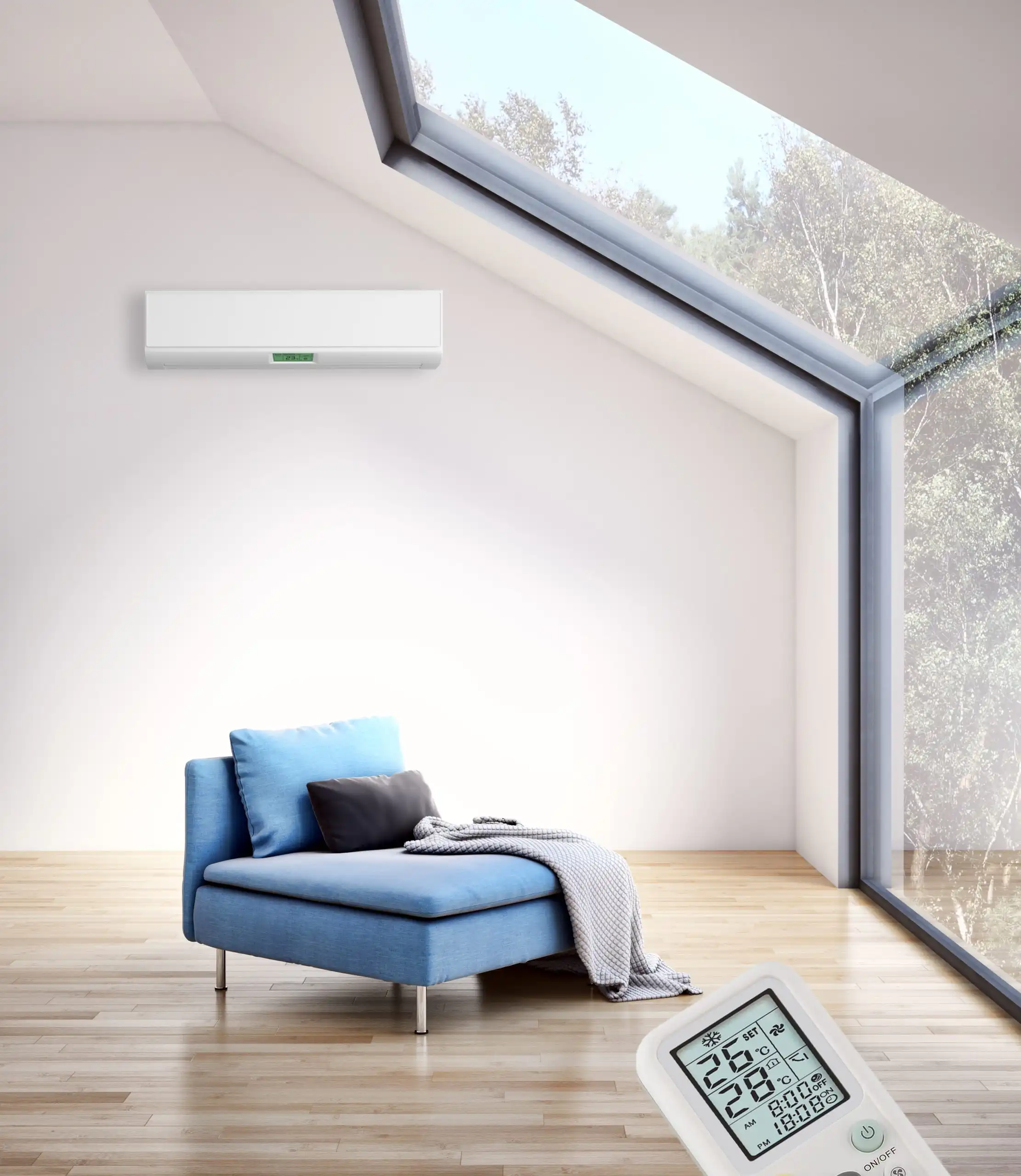
Split systems are often ideal for individual rooms or smaller homes. They are quicker to install and allow independent temperature control.
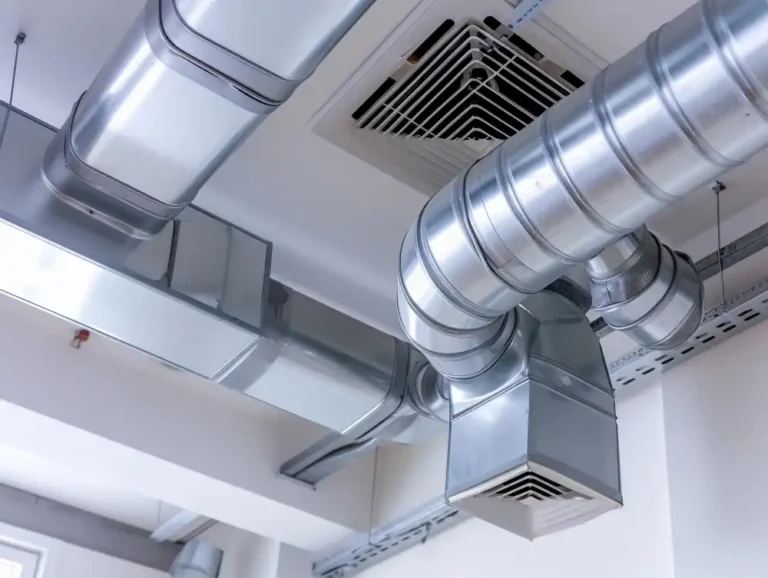
Ducted systems provide discreet, whole-home comfort and are often chosen for larger properties or full renovations. While installation is more involved, the result is an even temperature across multiple rooms.
An experienced air con installation company will explain which option aligns best with your home and budget, rather than recommending a one-size-fits-all solution.
How is system capacity calculated correctly?
System capacity is measured in kilowatts and must match the heat load of each space. Oversized systems waste energy and cycle inefficiently, while undersized systems struggle to maintain comfort.
Professional design calculations consider:
This ensures the system performs efficiently in both summer cooling and winter heating modes.
Where should indoor and outdoor units be positioned?
Correct placement is essential for performance and aesthetics. Indoor units should distribute air evenly without blowing directly onto seating or sleeping areas.
Outdoor units require good airflow, minimal vibration transfer, and consideration for neighbouring properties. Noise regulations and visual impact are especially important in residential Oxford settings.
Experienced air conditioning fitters oxford homeowners rely on will also consider service access, drainage routes, and future maintenance when positioning equipment.
How can efficiency be built into the design?
Efficiency starts at the design stage, not after installation. Modern systems offer high seasonal efficiency ratings, but layout and control strategy matter just as much.
Design choices that improve efficiency include:
Over time, these details significantly reduce running costs while improving comfort.
Typical design considerations by room type
| Room Type | Key Design Consideration | Recommended Approach |
| Bedrooms | Quiet operation and airflow direction | Low-noise wall units |
| Living areas | Variable occupancy and heat gain | Zoned control |
| Home offices | Consistent temperature for equipment use | Dedicated unit |
| Open-plan spaces | Even distribution across large areas | Ducted or multi-split |
This room-by-room thinking ensures comfort without overengineering the system.
A typical Oxford home scenario
A common example is a Victorian terraced home with south-facing bedrooms and limited loft space. During summer, upstairs rooms can become uncomfortably warm, while downstairs areas remain cooler.
In this scenario, a carefully designed split system allows targeted cooling upstairs without major building work. Pipework can be routed discreetly, and individual room control prevents unnecessary energy use.
Planning the system around the home’s structure avoids invasive changes and delivers reliable comfort throughout the year.
Should future needs be considered during design?
Absolutely. A good design anticipates changes such as home extensions, loft conversions, or increased home working.
Installing pipework routes or electrical allowances early can reduce future disruption and cost. This forward-thinking approach is often recommended by professional air conditioning fitters oxford property owners trust for long-term solutions.
Frequently Asked Questions
Designing the perfect air conditioning system is about understanding how your home works, not forcing a standard solution into an unsuitable space. Thoughtful planning leads to better comfort, lower energy use, and a system that integrates seamlessly with your lifestyle.
TRS Cooling takes a considered, design-led approach to every project, ensuring each system is built around the property rather than the other way round. If you would like expert guidance or a tailored design, you can speak to us today for professional advice.