

How our process works
1

You Answer
We ask a few quick questions that any one can answer to help find the right Air Conditioners for your home.
2

You Choose
Review the list of Air Conditioners, we’ll be in touch to confirm your fixed price quote, discuss payment options and book an installation date.
3

We Install
We’ll arrange for your brand new Air Conditioning to be professionally installed by our local Refcom registered engineers.
About TRS Cooling
The team at TRS Cooling Ltd is available for all your air conditioning, heating, refrigeration, and ventilation needs. We are here to install, service, and repair systems for residential, commercial, and industrial premises. We’ve been serving the Oxfordshire area since 2015 and provide a friendly and reliable service. Our staff are highly trained, qualified and honest.
Call us to discuss what you need. We are happy to visit a site to establish what is required and provide quotes with no hidden charges. There is no obligation to book our services if you’re not happy with our services.
Air Conditioning
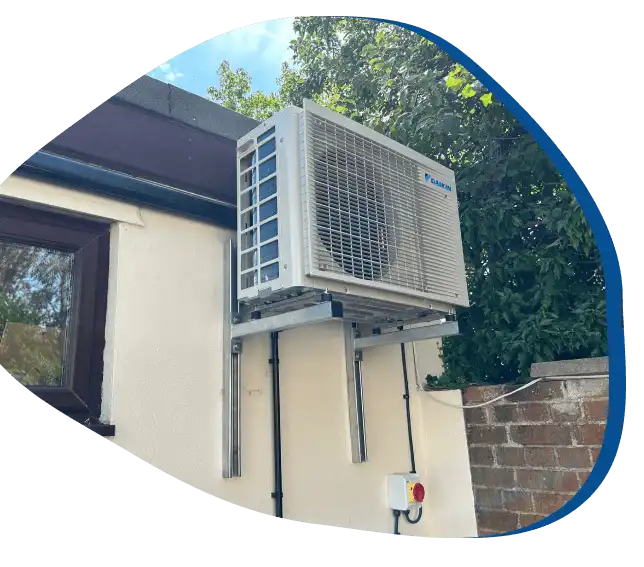
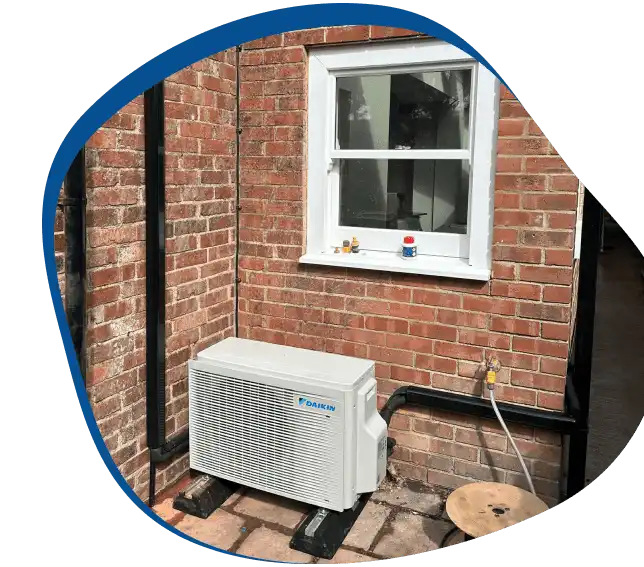
At TRS Cooling, we offer a wide range of air conditioning services for Oxford and surrounding areas like Banbury, Faringdon and Wantage. We are available to design and install air conditioning for homes, offices, shops, restaurants, salons, warehouses, and workshops. With a large choice of ceiling unit, wall-mounted units, and floor-standing units, we can provide exactly what your building requires.
As well as fit AC, we repair and maintain systems too. If you need a regular 6-month or annual service, we are happy to provide it. When air condition breaks down or stop working properly, contact us for a visit. We have many years of experience repairing units of all types and are ready to get to work straight away.
Refrigeration
Our team provides refrigeration services for commercial and industrial businesses in Oxford and beyond. We are experienced and qualified to install beer cellar equipment, walk-in fridges and walk-in freezers.
If you are fitting new premises and need installation from scratch, we are available. We regularly fit into shops, restaurants, supermarkets, and bars. With years of experience, we complete work quickly and in keeping with all regulations.
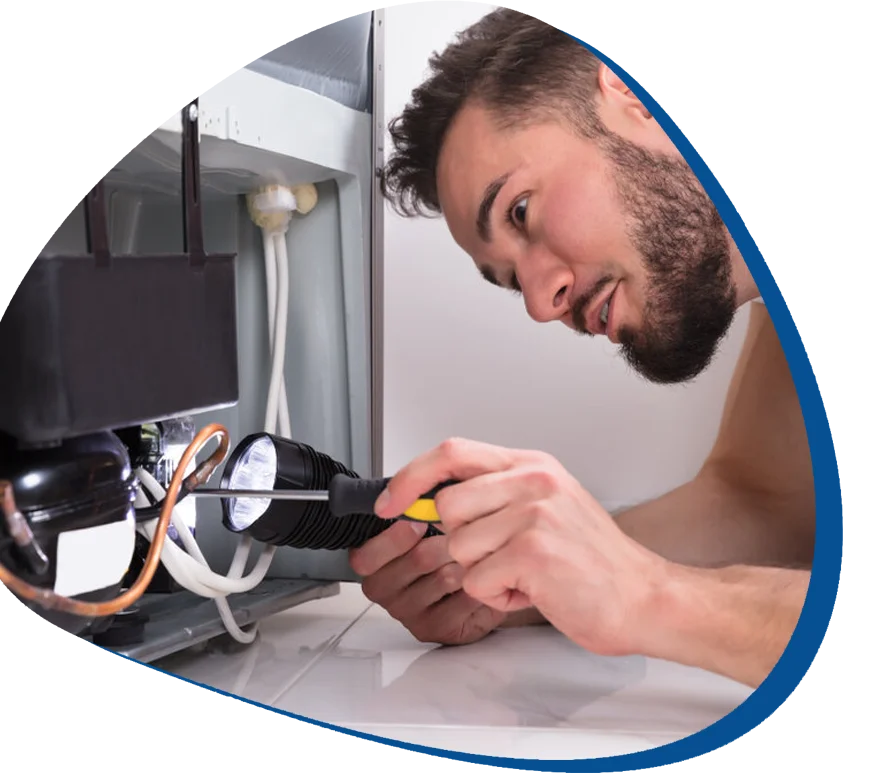
Refrigeration servicing and maintenance are covered by our team. We also repair existing refrigeration systems. If you need to decommission old refrigeration units, we offer this service as well.
Ventilation
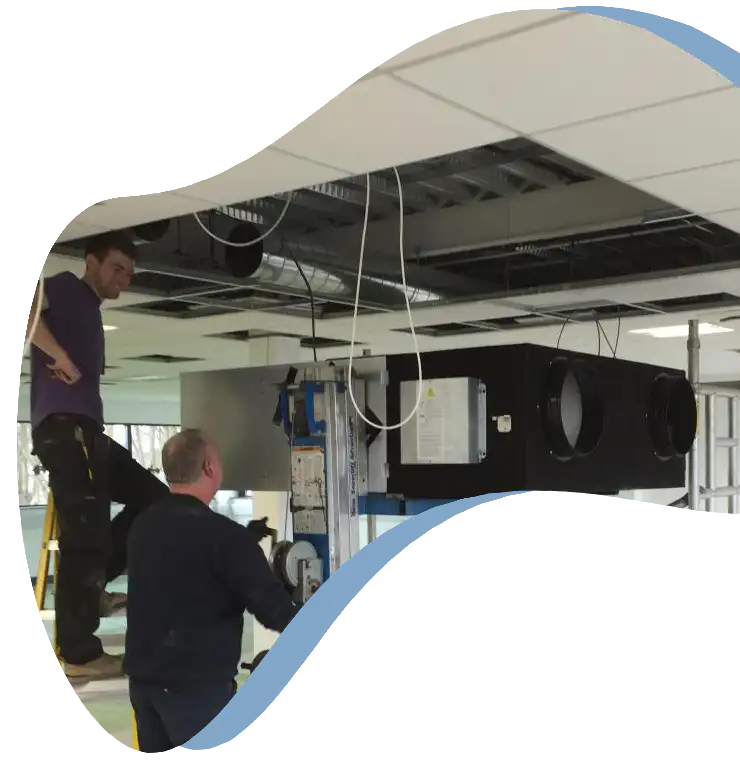
The team at TRS Cooling design and install ventilation systems for commercial and industrial premises. We fit ventilation systems of all types to give building users control over the quality of the air. Our systems also help with the removal of fumes and odours. If you are looking for a complete ventilation system for your premises, call our team today.
We also repair and maintain ventilation systems in Oxford. Book us for regular service of the system, or ask us to take a look at systems that aren’t working effectively.
TRS Cooling Finance
We also offer flexible finance options, whether it’s an easy payment plan, or buy now and pay later, we offer a range of affordable payment options to suit your budget.
We Also Offer

Maintenance
Maintenance is essential to ensure the economic efficiency and effective operation of your equipment.

Refrigeration
TRS Cooling provide a variety of refrigeration services for all your business needs

Commercial Ventilation
Fresh air is the basic requirement of a healthy and happy work environment.

Commercial Air Conditioning
At TRS Cooling we offer a wide range of air conditioning services for commercial customers.
Reason To Choose TRS Cooling

Peace of Mind
7 Years warranty on new installations

Market Leading Prices
We pass our industry-leading discounts on to you, so you only pay the best prices.

Manufacturer Accredited
We are proud to be accredited by Daikin & Panasonic.

Fast Installs
We can install air conditioning UK-wide with a quick turnaround.

Local Pros
We pass our industry-leading discounts on to you, so you only pay the best prices.

100% Quality Control
Every one of our installations is audited by our certified engineers.
Ready To Get Your Fixed Price Now?
Certifications



