
Split vs Ducted Air Conditioning: Which Suits Oxford Homes Best?
Choosing between split and ducted air conditioning is one of the most important decisions homeowners make when planning a new system. Both options can deliver excellent comfort, but they work very differently and suit different property types.
Oxford homes range from compact terraces to large detached houses, and the right choice often depends on layout, budget, and how much control you want over individual rooms. Understanding the strengths and limitations of each system makes it far easier to choose confidently.
This guide explains how split and ducted systems work, where each performs best, and what Oxford homeowners should consider before installation.
What is a split air conditioning system?
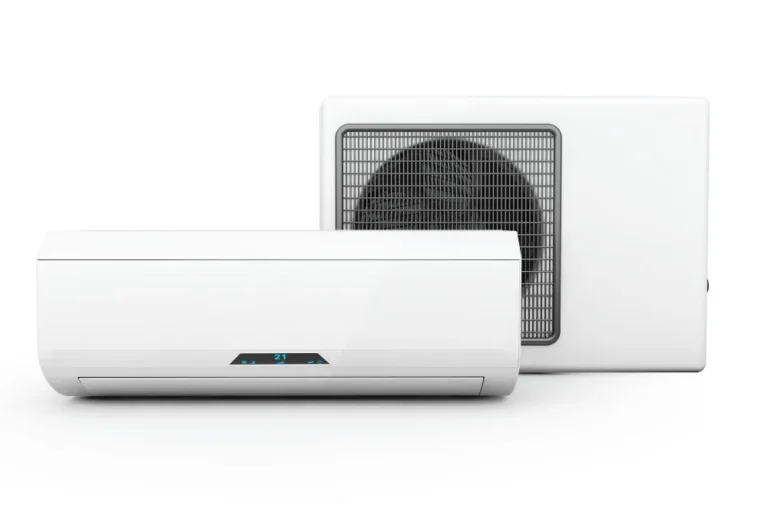
A split system consists of one indoor unit connected to an outdoor unit. It is one of the most common solutions for residential properties.
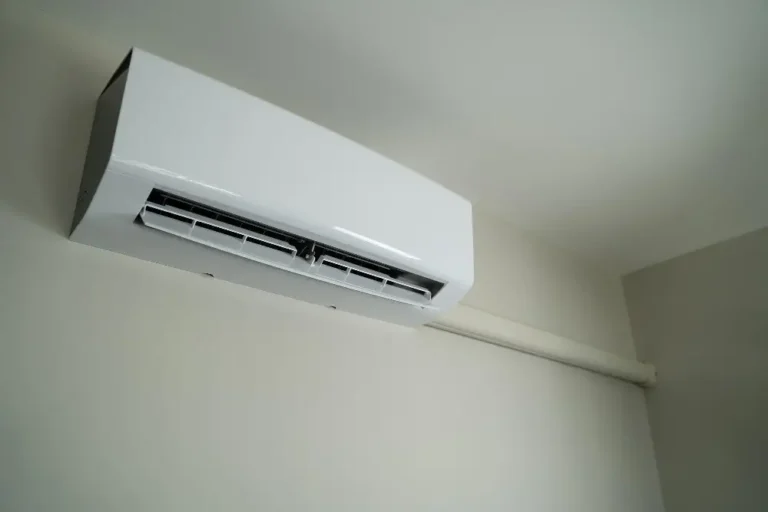
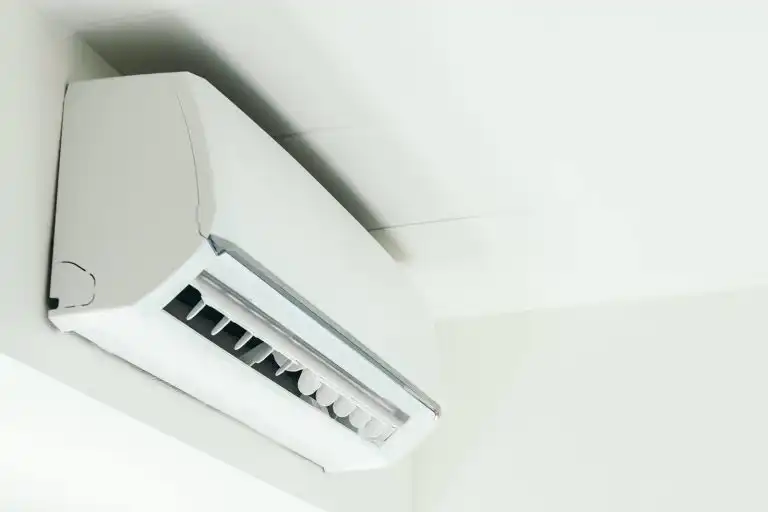
Split systems are typically wall mounted and designed to cool or heat a single room or defined area. They are popular in bedrooms, home offices, and living spaces where targeted temperature control is preferred.
Working with an experienced air con split system installer oxford homeowners can ensure correct sizing, placement, and airflow for long-term efficiency.
What is ducted air conditioning?
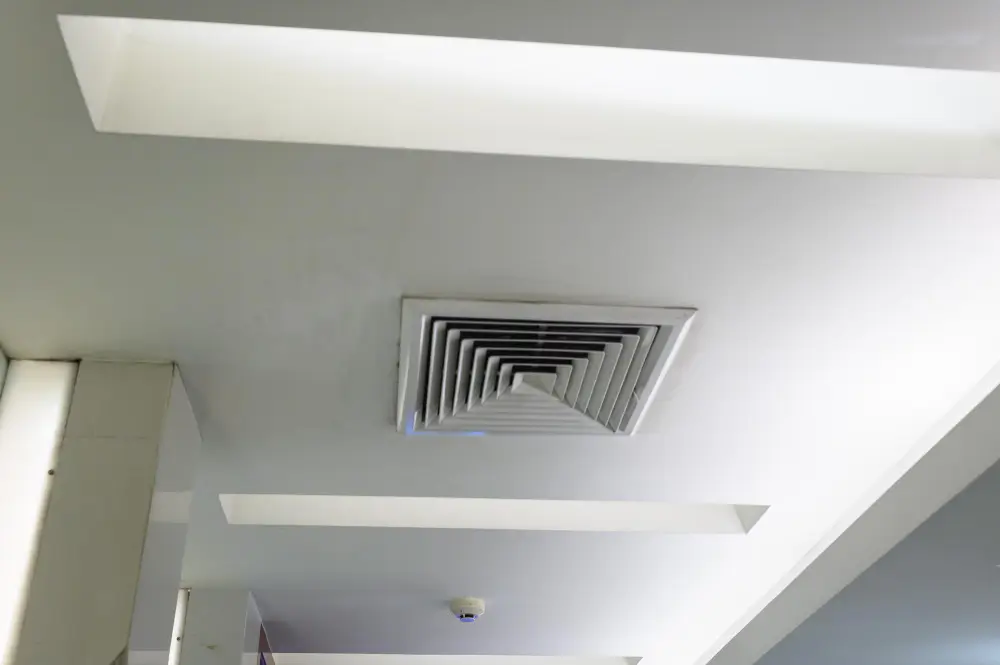
Ducted air conditioning uses a central indoor unit connected to a network of ducts hidden within ceilings or floors. Air is distributed through discreet vents into multiple rooms.
This type of system is often chosen for whole-home comfort and a clean, minimalist finish. Ducted systems work particularly well in larger properties or homes undergoing renovation.
A professional ducted air con installer oxford residents trust will assess roof space, ceiling access, and zoning requirements before recommending this option.
How do split and ducted systems compare for Oxford homes?
Oxford’s housing stock includes many period properties where structural constraints influence system choice. The table below highlights the key differences.
| Feature | Split System | Ducted System |
| Best suited for | Individual rooms | Whole-home cooling |
| Installation time | Shorter | Longer |
| Visual impact | Visible indoor units | Discreet ceiling vents |
| Zoning | Per room | Multiple zones |
| Upfront cost | Lower | Higher |
Each system has its place, and neither is automatically better without considering the property.
Which system is better for older properties?
Older homes often have limited loft space, solid walls, and planning considerations that make ductwork more challenging. In these cases, split systems can be more practical and less disruptive.
However, some larger period homes with generous roof space can still accommodate ducted systems with careful planning. The key is assessing feasibility early rather than ruling options out too quickly.
Is one option more energy efficient?
Both systems can be highly efficient when designed correctly. Efficiency depends more on sizing, zoning, and controls than on the system type itself.
Split systems allow rooms to be conditioned only when needed, which suits households with varied usage patterns. Ducted systems excel when combined with zoning, allowing different areas of the home to be controlled independently.
Modern systems that aircon which heat and cool oxford homeowners choose are designed for year-round performance rather than seasonal use only.
How does installation disruption differ?
Split systems usually involve minimal disruption. Pipework can often be routed externally or through discreet internal channels, and installation is typically completed within a day or two per unit.
Ducted systems require more planning and building work, particularly if ceilings need to be opened to install ducting. This is why they are often installed during renovations or new builds.
Cost considerations homeowners should understand
Costs vary based on system size, number of rooms, and property layout. While split systems have a lower upfront cost, multiple units can add up in larger homes.
Ducted systems cost more initially but can offer better value for whole-house comfort when designed correctly.
Rather than focusing solely on initial price, it is worth considering long-term running costs, maintenance, and comfort benefits.
A typical Oxford home example
A modern semi-detached home with an open-plan ground floor and three upstairs bedrooms presents a common decision point.
In this scenario, a ducted system upstairs provides quiet, even cooling across bedrooms, while a split unit downstairs handles higher heat loads from cooking and glazing. This hybrid approach balances cost, comfort, and installation practicality.
Careful design ensures both systems work together seamlessly without overcomplicating controls.
Can systems be expanded in the future?
Yes, but planning ahead is essential. Split systems can often be added room by room, while ducted systems require capacity allowances from the start.
Homeowners planning extensions or loft conversions should discuss future needs during the design phase to avoid costly upgrades later.
An experienced air con split system installer oxford households rely on will factor future expansion into the initial design where possible.
Frequently Asked Questions
There is no universal answer when choosing between split and ducted air conditioning. The best solution depends on how your home is built, how you use each space, and what level of control you want.
TRS Cooling takes a design-first approach, helping homeowners understand their options clearly before any work begins. If you would like expert advice tailored to your property, you can contact our team to discuss the best solution for your home