
The Science of Air Conditioning Efficiency in Oxford’s Climate
Air conditioning efficiency is often misunderstood. Many homeowners assume efficiency is determined purely by the unit itself, but the reality is far more nuanced. Climate, property design, system sizing, and usage habits all play a major role.
Oxford’s climate presents a unique mix of challenges. Summers are increasingly warm, yet not extreme, while winters remain cool and damp. This means systems must perform efficiently across a wide temperature range, rather than being designed for short periods of intense heat.
Understanding how efficiency works can help you choose a system that delivers reliable comfort without unnecessary energy use.
What does “efficiency” really mean in air conditioning?
Efficiency refers to how effectively a system converts electricity into heating or cooling. Modern systems are measured using seasonal efficiency ratings, which reflect real-world performance rather than laboratory conditions.
In practical terms, an efficient system:
For homeowners considering air con oxford solutions, efficiency is just as important as upfront cost.
How does Oxford’s climate affect system performance?
Oxford experiences moderate summers, mild springs, and cool winters. This means systems spend more time running at partial capacity rather than full output.
Modern inverter-driven air conditioning systems excel in these conditions. They adjust their output continuously rather than switching on and off, which reduces energy waste and improves comfort.
Systems designed specifically for mixed climates tend to deliver better long-term efficiency and lower running costs.
Why is correct system sizing so important?
Oversized systems cool spaces too quickly, then shut down before removing humidity effectively. Undersized systems run constantly, struggling to reach the desired temperature.
Correct sizing considers:
Accurate sizing is essential for keeping the air conditioner cost proportionate to actual performance, rather than paying for unused capacity.
How insulation and airflow impact efficiency?
Even the most advanced system cannot perform efficiently in a poorly insulated home. Heat gain in summer and heat loss in winter place unnecessary strain on equipment.
Good airflow design is equally important. Poorly positioned units or blocked air paths reduce efficiency and create uneven temperatures.
Before installation, professional assessments often identify simple improvements that significantly boost performance without increasing system size.
Are heating and cooling combined more efficient?
Many modern systems provide both heating and cooling from the same unit. This dual functionality is particularly effective in Oxford’s climate.
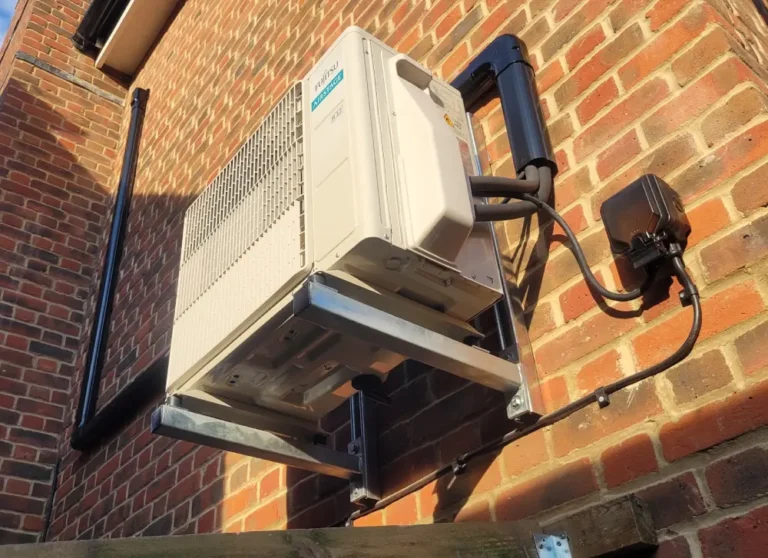
Heat pump technology allows systems to extract heat from outdoor air even in cold conditions. When designed properly, this approach can outperform traditional electric heaters.
The price of heating and cooling installation often reflects this versatility, but the long-term efficiency benefits usually outweigh the initial investment.
Efficiency comparison by system type
| System Type | Efficiency Strength | Best Use Case |
| Split system | Zoned, on-demand use | Individual rooms |
| Multi-split | Flexible control | Multiple rooms |
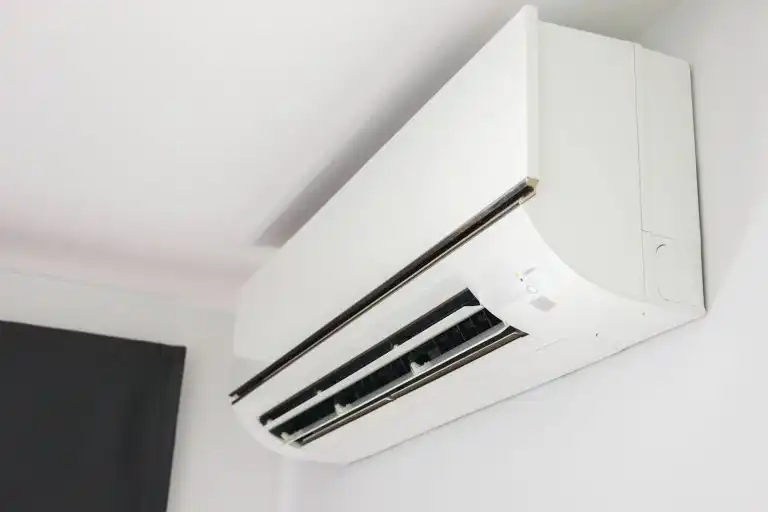
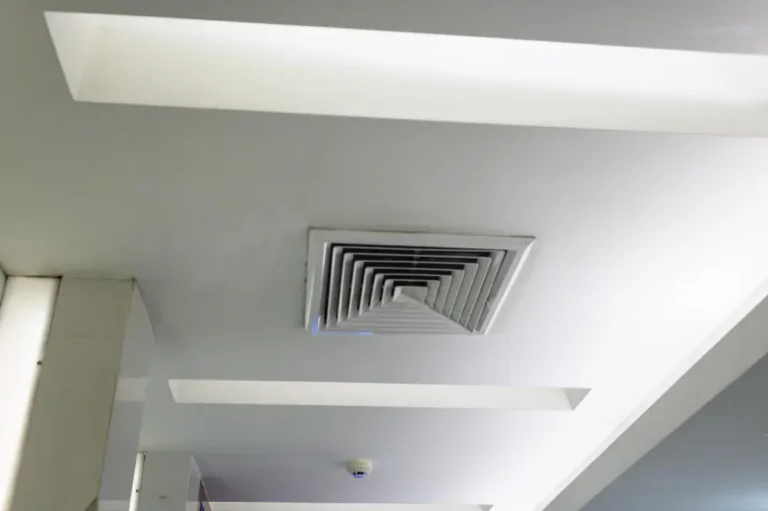
| Ducted system | Even distribution | Whole-home comfort |
| Heat pump AC | Year-round efficiency | Heating and cooling |
Choosing the right system type ensures efficiency is matched to how the home is actually used.
How do controls and user habits affect efficiency?
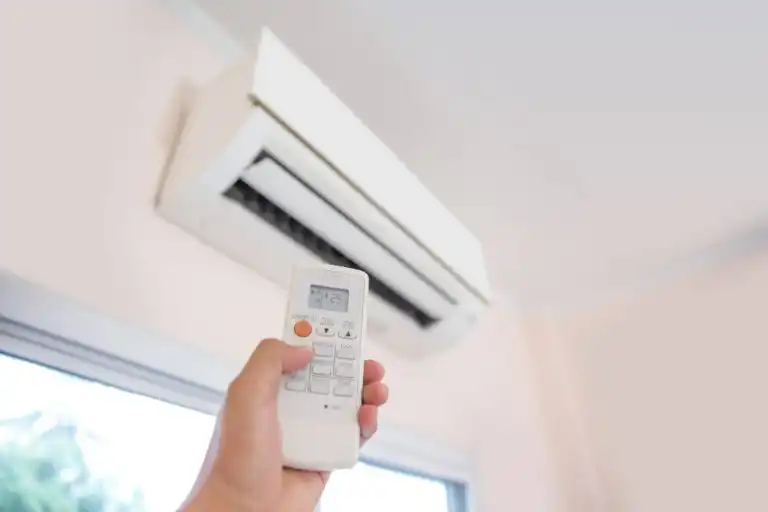
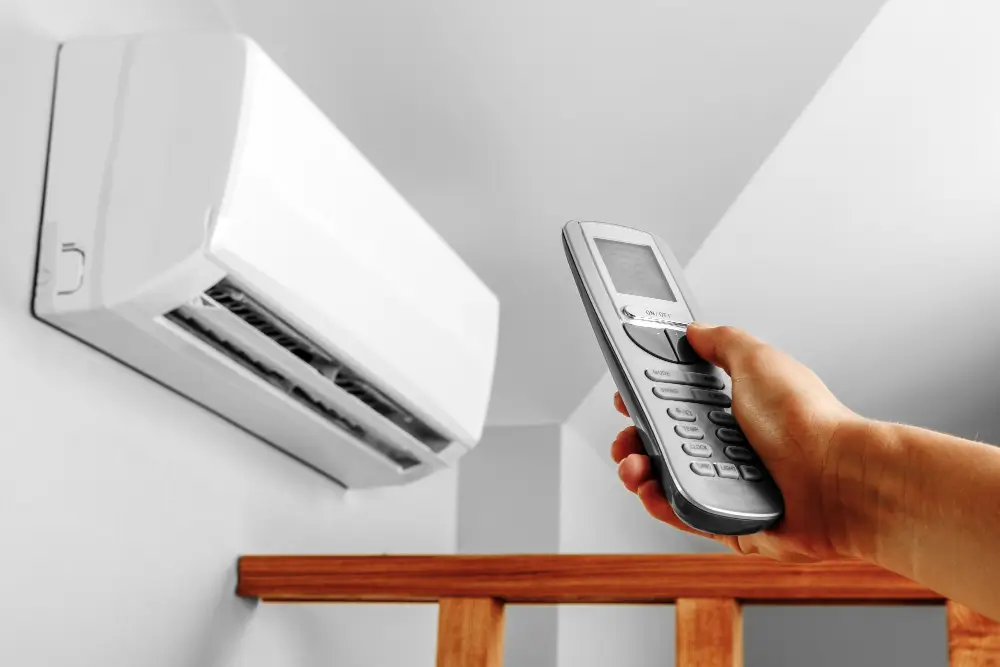
Even the best-designed system can become inefficient if used incorrectly. Smart controls help optimise performance by adapting to daily routines.
Efficiency improves when:
These habits reduce wear on the system and help manage the air conditioner cost over time.
A typical Oxford efficiency scenario
A detached family home with large south-facing windows often experiences overheating in summer afternoons, while winter mornings remain chilly.
In this situation, a correctly sized inverter system with zoning allows daytime cooling in living areas and evening heating in bedrooms. Combined with upgraded insulation, energy use drops significantly compared to older electric heaters and portable fans.
This type of tailored design highlights why efficiency depends on the whole system, not just the unit itself.
How maintenance supports long-term efficiency
Dust build-up, blocked filters, and low refrigerant levels all reduce efficiency. Regular servicing keeps systems operating as designed.
Professional maintenance ensures:
Homeowners investing in air con oxford installations often find routine servicing protects both comfort and performance.
Frequently Asked Questions
Efficiency is not a single feature but the result of good design, appropriate technology, and sensible use. In Oxford’s varied climate, systems that adapt rather than overperform deliver the best results.
TRS Cooling focuses on designing solutions that balance comfort, performance, and long-term value. If you would like expert advice on improving efficiency in your home, you can contact our team for tailored guidance.