

Air Conditioning for Oxford Flats: What’s Possible and What’s Not
Living in a flat can make staying cool during warmer months a real challenge, especially in a historic city like Oxford where building layouts, lease terms, and planning restrictions all come into play. While air conditioning is becoming more common, not every solution suits every property.
The good news is that there are still plenty of practical options available. Understanding what’s possible – and what isn’t – helps you make a more informed decision before committing to an installation.
Can You Install Air Conditioning in an Oxford Flat?
In most cases, yes – but it depends on a few key factors. Flats often come with shared ownership structures, which means any modification to the building fabric may require approval.
Here’s what typically influences your options:
For many homeowners exploring air con Oxford solutions, the process starts with understanding these constraints. A professional survey can quickly highlight what’s feasible in your specific flat.
If you’re unsure what your flat allows, you can contact our team at TRS Cooling for practical, no-obligation guidance tailored to your property.
What Are the Most Suitable Systems for Flats?
Not all air conditioning systems are designed with flats in mind. Some require extensive ductwork or large outdoor units, which can be impractical in shared buildings.
The most suitable options typically include:
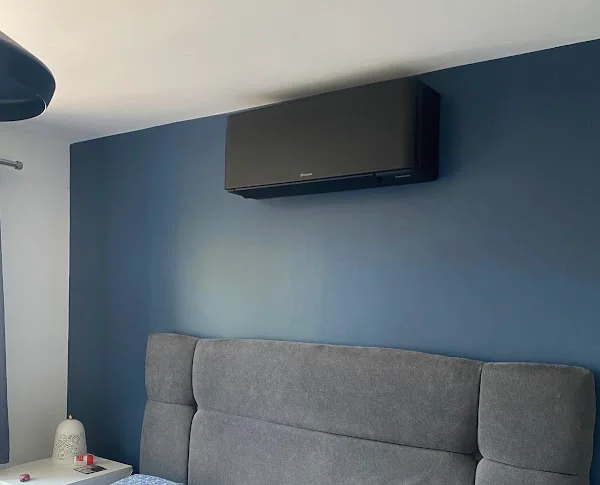
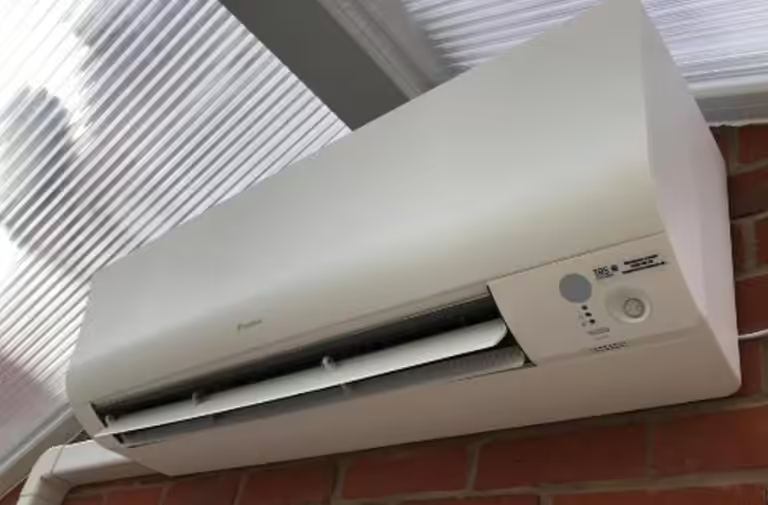
Wall-Mounted Split Systems
These are among the most popular choices for flats due to their balance of performance and compact design.
Benefits include:
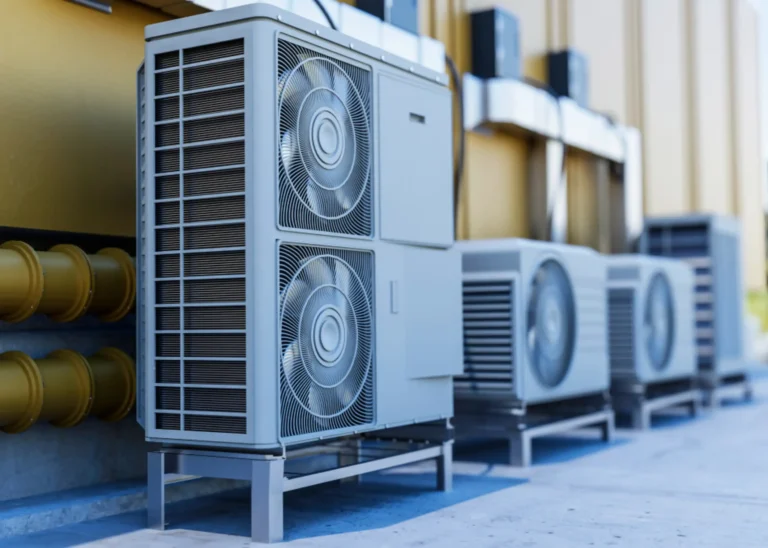
However, they do require an external condenser unit, which may need approval depending on your building.
Portable Air Conditioners
These are plug-and-play units that don’t require permanent installation.
Key considerations:
They’re often used as a temporary or short-term solution.
Internal Condenser Systems
In some flats where external units aren’t allowed, internal condenser systems can be a viable alternative.
Pros:
Cons:
What’s Not Possible in Some Flats?
While there are options available, certain installations may simply not be feasible depending on the building.
Ducted Systems in Smaller Flats
Ducted air conditioning requires ceiling voids or floor space for hidden ductwork. In most flats, especially older or compact ones, this space doesn’t exist.
External Units Without Permission
Installing an outdoor condenser without approval can lead to disputes or even forced removal. This is particularly important in conservation areas across Oxford.
Major Structural Changes
Any installation requiring drilling through structural walls or altering communal areas may be restricted or refused.
Do You Need Permission for Air Conditioning?
In many cases, yes. Flats often require multiple layers of approval before installation can proceed.
Common Permissions Required:
| Requirement | Why It Matters |
| Landlord or Freeholder Consent | Required for leasehold properties |
| Planning Permission | Needed in conservation areas or listed buildings |
| Building Management Approval | Ensures compliance with shared property rules |
| Noise Regulations | Prevents disturbance to neighbours |
If you’re considering air con Oxford installations, it’s always worth checking these early to avoid delays later in the process.
How Do Installers Work Around Space Limitations?
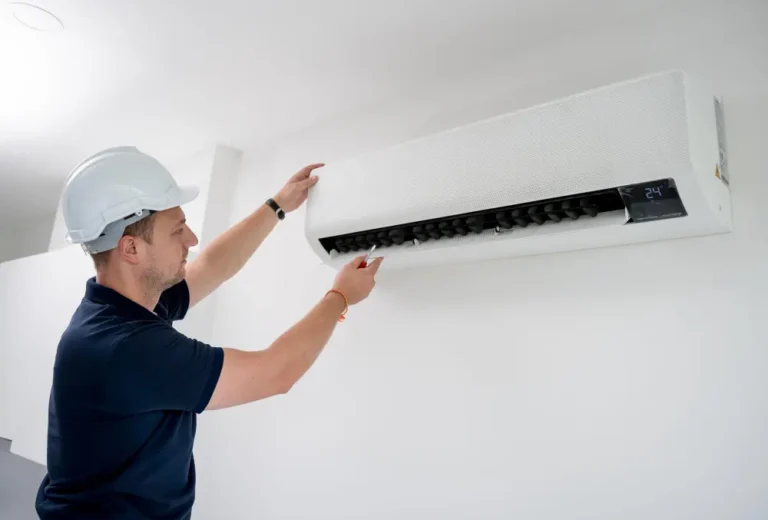
Experienced installers are used to working within tight or unusual layouts, especially in flats.
Some common approaches include:
These solutions allow homeowners to benefit from cooling without compromising living space or aesthetics.
If your flat has limited space or unusual layout challenges, you can request a home survey from TRS Cooling to explore tailored installation options.
Are Flats in Oxford More Challenging Than Houses?
In many cases, yes. Flats often come with additional constraints that houses don’t have.
Key Differences:
However, this doesn’t mean air conditioning isn’t achievable. It simply requires a more considered approach.
A Typical Installation Scenario in an Oxford Flat
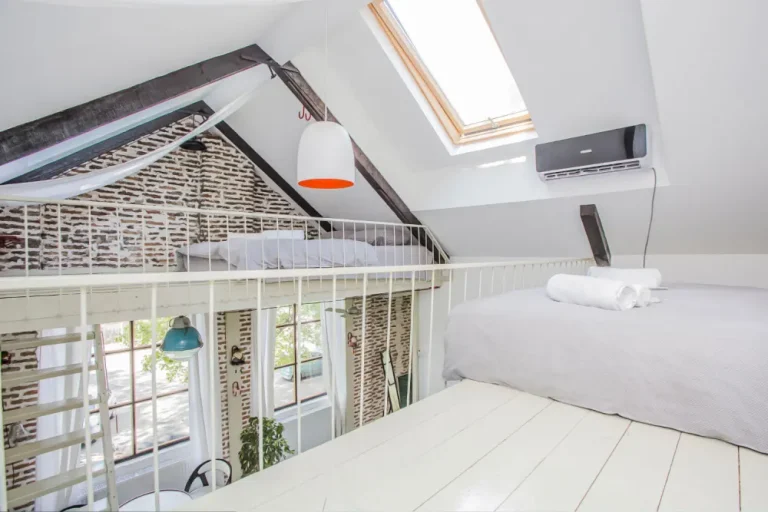
Imagine a top-floor flat in a converted Victorian building. The owner struggles with overheating during summer but has strict leasehold conditions.
After a professional survey, a wall-mounted split system is recommended, with:
The result is a comfortable living space without breaching any building rules or affecting neighbours.
How Much Disruption Should You Expect?
Installation in flats is usually quicker than people expect, particularly with simpler systems.
Typical timelines:
Installers aim to minimise disruption by:
Is Air Conditioning Worth It in a Flat?
For many homeowners, the answer is yes – especially as summers become warmer and properties retain more heat.
Benefits include:
While not every flat can accommodate every system, most can benefit from some form of cooling solution.