

Book a Home Survey for a Difficult-to-Cool Property
Some homes are naturally harder to keep cool than others. Whether it’s a top-floor flat, a period property with thick walls, or a modern extension with large glazing, certain layouts can trap heat and make temperature control a challenge.
If you’ve struggled with overheating, a professional home survey is often the first and most important step towards a lasting solution. Rather than guessing what might work, a tailored assessment helps identify exactly what your property needs.
Why Are Some Properties Harder to Cool?
Not all homes behave the same when it comes to heat. Some retain warmth more than others due to their structure, materials, or layout.
Common causes of overheating include:
For homeowners considering air conditioner installation Oxford, recognising these factors early helps guide the right solution.
What Does a Home Survey Actually Involve?
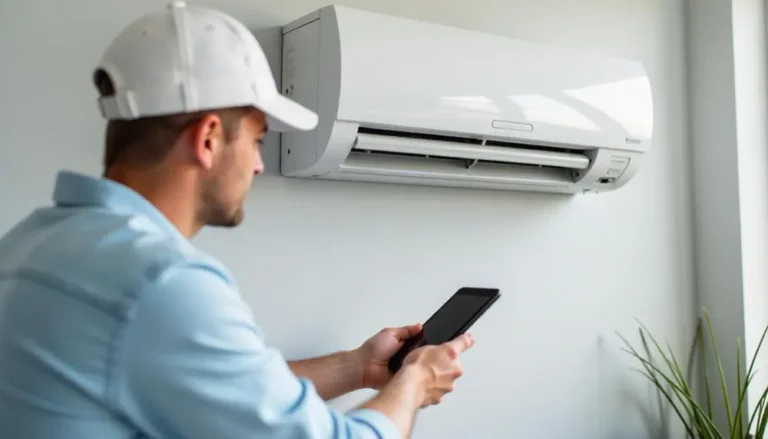
A home survey is a detailed inspection carried out by an experienced installer. Its purpose is to understand your property fully before recommending any system.
During the survey, you can expect:
This ensures that any proposed air conditioner installation Oxford is based on real conditions, not assumptions.
If your home is difficult to cool, you can contact TRS Cooling to arrange a survey and get expert insight into the best options for your space.
How Does a Survey Help Solve Cooling Problems?
A survey goes beyond basic measurements. It identifies the root cause of overheating and matches it with the right system.
Key benefits include:
Without this step, you risk installing a system that doesn’t perform as expected.
Which Types of Properties Benefit Most?
While all homes can benefit from a survey, certain property types require a more detailed approach.
Flats
Period Homes
Extensions and Lofts
In these cases, a survey ensures your air conditioner installation Oxford is designed around your home’s specific challenges.
What Problems Can a Survey Identify?
Many issues aren’t obvious until a professional assessment is carried out.
Common findings include:
| Issue | Impact on Cooling |
| Poor airflow | Uneven temperatures |
| Limited installation space | Restricted system options |
| Electrical limitations | May require upgrades |
| External placement issues | Affects condenser positioning |
| Insulation gaps | Reduces system efficiency |
By identifying these early, installers can plan a more effective solution.
Can You Skip the Survey and Still Get Results?
It’s possible, but not recommended for complex properties.
Risks of skipping a survey:
A survey removes guesswork and provides a clear path forward.
What Happens After the Survey?
Once the survey is complete, you’ll receive a tailored recommendation and quote.
This usually includes:
At this stage, you can review your options and decide how to proceed with confidence.
TRS Cooling can provide a clear and detailed plan following your survey, helping you understand exactly what’s involved before installation begins.
A Realistic Example of a Difficult-to-Cool Home
Consider a top-floor flat with large windows and minimal ventilation. During summer, the space becomes uncomfortably warm, even with fans running.
After a survey, the installer recommends:
The result is a noticeable improvement in comfort, with consistent cooling throughout the space.
How Long Does It Take to Book and Complete a Survey?
The process is usually quick and straightforward.
Typical timeline:
This makes it easy to get started without long delays.
What Should You Prepare Before Booking?
A little preparation can make your survey more productive.
Helpful steps:
This allows the installer to focus on practical solutions that suit your needs.
Is a Survey Worth It?
For most homeowners, the answer is yes – especially for properties with unique challenges.
Benefits include:
A survey is a small step that can make a significant difference to the final outcome.