
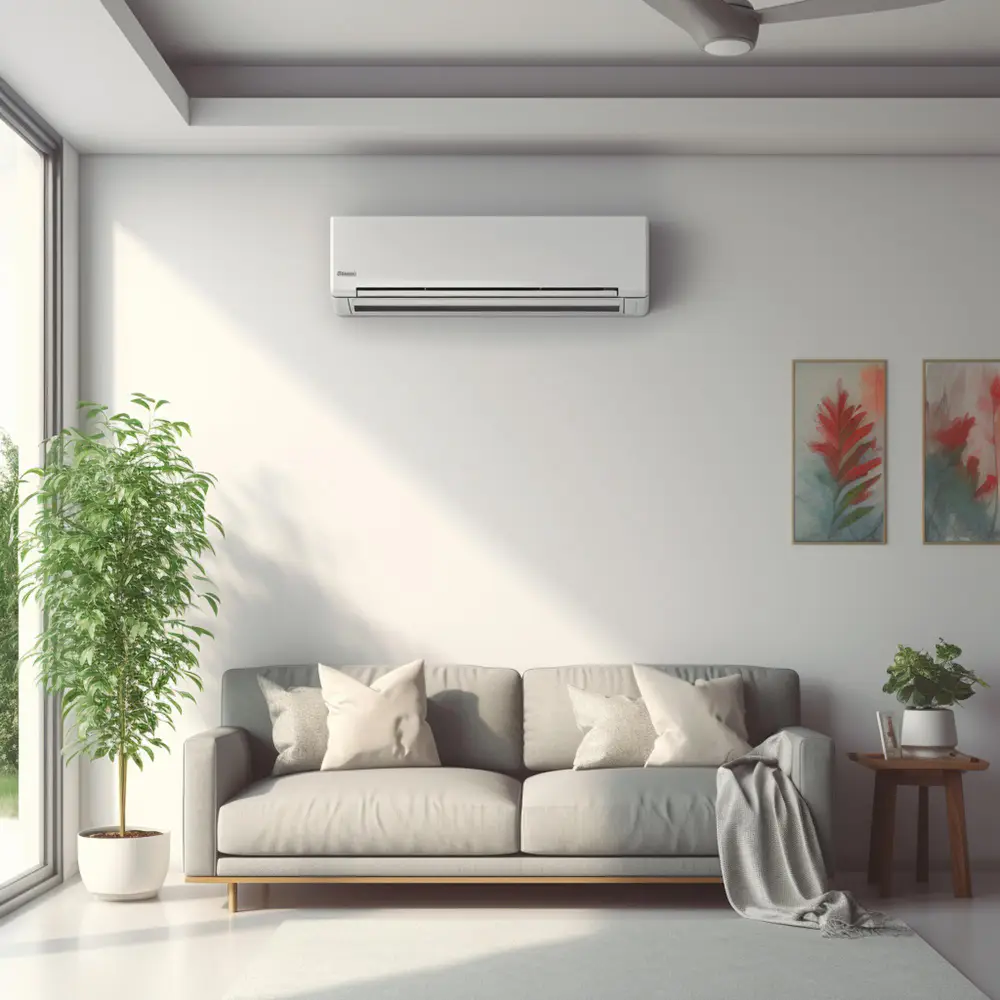
South-Facing Glass and AC Sizing in Oxford
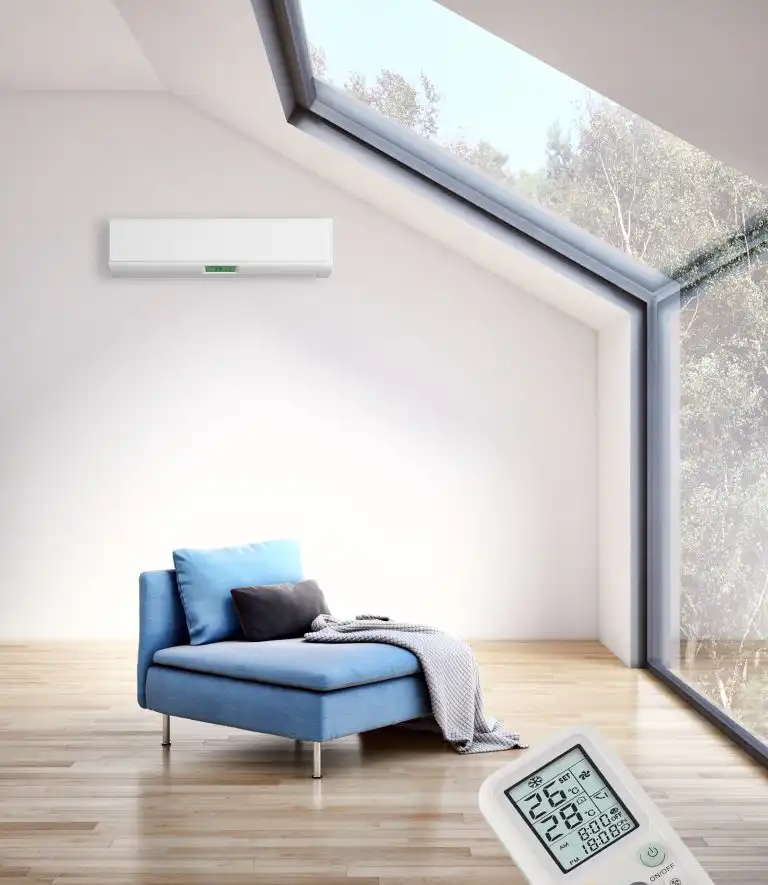
A room with large windows can feel dramatically warmer than a similar room with limited glazing, particularly when direct sunlight reaches the glass for several hours. This effect is known as solar gain, and it can have a significant influence on how much cooling a room needs.
For homeowners considering air conditioning installation oxford, understanding solar gain helps explain why an installer may recommend different equipment for rooms with similar dimensions. The amount of glass, its orientation, shading and glazing performance can all affect the final cooling requirement.
Rather than treating every room as a simple box to be cooled, a proper assessment looks at where heat is coming from and how quickly it enters the space.
Why does south-facing glazing affect cooling requirements?
Windows allow natural light into a property, but they can also allow solar energy to enter. When sunlight passes through glazing, it warms surfaces such as floors, furniture and walls. Those surfaces then release heat into the room.
The effect can be particularly noticeable in rooms with:
- Large or floor-to-ceiling windows
- South or south-west-facing glazing
- Limited external shading
- Conservatory-style extensions
- Roof windows or large glazed doors
- Dark internal surfaces that absorb sunlight
A room does not need to be especially large to develop a significant cooling load. A relatively compact space with extensive glazing can require more cooling than a larger room with fewer windows.
This is one reason a professional sizing assessment should consider the window arrangement rather than relying solely on floor area.
What is solar gain?
Solar gain is the increase in internal heat caused by solar radiation entering a building, mainly through windows and other glazed surfaces.
The amount of solar gain depends on several factors, including the orientation and size of the glazing, the type of glass, shading and the intensity and duration of sunlight.
The result can be a room that continues feeling warm even after the outdoor air temperature begins to fall.
How much difference can glazing make?
There is no single figure that can be applied to every glazed room because the actual heat gain depends on the property’s construction and the glazing itself.
Consider two rooms with the same floor area. One has a small conventional window, while the other has a wide south-facing glazed door and large adjoining window.
The second room may receive considerably more solar heat during sunny periods. If the same AC capacity were selected for both rooms simply because they have the same floor area, the recommendation could overlook a major part of the second room’s heat load.
This is why the details gathered during air conditioning installation oxford assessments matter.
Does the direction a window faces really matter?
Yes. Orientation changes the timing and intensity of solar exposure.
| Glazing orientation | Typical solar exposure | Potential cooling consideration |
| North-facing | Generally less direct sunlight | Often lower solar contribution |
| East-facing | Stronger morning exposure | Morning heat gain may be important |
| South-facing | Sun exposure across much of the day | Can create substantial daytime heat gain |
| West-facing | Stronger afternoon and evening exposure | Can cause overheating later in the day |
These are general patterns rather than fixed rules. Nearby buildings, trees, balconies and other features can significantly change the amount of sunlight reaching a window.
For example, a south-facing window shaded by a neighbouring building may behave quite differently from an unobstructed south-facing window on an upper floor.
Why west-facing rooms can also be difficult
Although south-facing glazing is often discussed when considering solar gain, west-facing windows deserve attention too.
Afternoon sun can arrive when a property has already accumulated heat throughout the day. In a home office, lounge or bedroom, this can create an uncomfortable temperature increase later in the day.
The timing matters because occupants may still be using the room when the heat load reaches its peak.
How does the type of glass affect AC sizing?
Not all glazing performs in the same way.
Modern double glazing generally provides better thermal performance than older single glazing, but the exact characteristics depend on the window specification. Solar-control glass can also reduce the amount of solar energy entering a room.
Low-emissivity coatings, gas-filled units and other glazing features may influence heat transfer as well.
However, better glazing does not automatically eliminate solar gain. A very large glazed area can still introduce considerable heat even when the windows have good thermal performance.
For this reason, an installer should consider both how much glass a room has and what type of glass it is.
Can blinds and shading reduce the cooling load?
External shading can be particularly useful because it can stop some solar radiation before it reaches the glass.
Potential shading measures include:
- External blinds
- Awnings
- Shutters
- Overhangs
- Balconies
- Trees and other landscaping
- Architectural shading features
Internal blinds and curtains can still improve comfort, but they generally act after sunlight has already passed through the glazing.
This does not mean homeowners should install shading instead of air conditioning. In many properties, the two measures can work together. Reducing unwanted solar gain can help lower the amount of cooling required during the hottest periods.
What happens if solar gain is ignored when sizing an AC unit?
Ignoring solar gain can contribute to an undersized system.
An undersized unit may appear to work normally during mild weather but struggle when sunlight and outdoor temperatures increase. The room may take too long to reach the desired temperature, or the system may run for extended periods without providing the expected comfort.
This can be particularly frustrating when the homeowner has invested in a new air conditioner oxford installation expecting reliable cooling.
The opposite problem can also occur. Selecting an unnecessarily large unit simply to compensate for uncertainty is not always the right solution. Proper assessment is preferable to guessing high.
Does furniture and room use make a difference?
Yes. Solar gain is only one part of the overall cooling load.
The installer may also need to consider what happens inside the room. People, lighting, computers, televisions and kitchen appliances all produce heat.
A south-facing home office, for example, could have three separate sources of additional heat:
- Solar energy entering through the windows
- Heat produced by computers and monitors
- Heat generated by occupants working in the space
The room may therefore need more cooling than a similarly sized guest bedroom with the same window dimensions.
This is particularly relevant when planning air conditioning installation oxford for rooms that have changed purpose, such as spare bedrooms converted into offices or garden-facing extensions used as living spaces.
When discussing a potential installation with TRS Cooling, explain how each room is used and when it is normally occupied. Those details can help inform a more realistic assessment of the required cooling capacity.
Could a south-facing room need a different AC size from a north-facing room?
It could. If two rooms are otherwise similar but one receives substantially more direct sunlight, the cooling load may be different.
However, orientation alone should not determine the equipment size. An installer should consider it alongside glazing area, shading, insulation, room dimensions, occupancy and internal heat sources.
This distinction is important when choosing a new air conditioner oxford homeowners may expect to use for several years. The objective is not simply to choose a unit that works in the room under average conditions, but to select a system that is appropriate for the property’s expected heat load.
A typical Oxford property example
Imagine a semi-detached Oxford home with a rear extension containing a large set of south-facing glazed doors.
The extension is used as a dining and living area. During the morning it may remain comfortable, but by early afternoon the room becomes increasingly warm as sunlight reaches the glazing. The room also contains several occupants during family gatherings, along with lighting and other electrical equipment.
A simple floor-area calculation could miss the combination of solar and internal heat gains.
During an assessment, an installer could consider the glazed area, orientation, shading, room dimensions and expected occupancy before determining the appropriate system capacity and positioning.
The same principle applies to bedrooms and home offices. A room’s use and exposure can change its cooling requirements even when its dimensions remain unchanged.
How should glazing be discussed when getting an AC quote?
If you are comparing installation options, give the installer as much information about the property as possible.
Useful details include:
- Which direction the main windows face
- Approximate size of glazed areas
- Whether the property has double or triple glazing
- Whether windows have solar-control glass
- Existing blinds or external shading
- Whether trees or neighbouring buildings provide shade
- The time of day the room tends to become hottest
- How many people normally occupy the room
Photographs can also help an installer understand the layout before a site assessment, although they should not necessarily replace an on-site evaluation.
A detailed quotation should make it clearer why a particular system and capacity have been suggested.
If large windows are making a room difficult to keep comfortable, contact TRS Cooling to discuss the property and your cooling requirements. The right system starts with understanding the heat entering the space.
Can reducing solar gain improve comfort without changing the AC?
Sometimes. Reducing unwanted heat entering through glazing can make a room easier to keep comfortable.
External shading, appropriate blinds and improvements to glazing can all play a role. However, these measures have different costs, practical limitations and effects, so they should be considered as part of the wider property rather than as a universal solution.
Air conditioning can provide active cooling, while shading and building improvements can reduce the amount of heat entering in the first place.
In some homes, combining both approaches can provide a more balanced way of managing summer temperatures.