
AC Installation Services Near Me: What Should Happen Before Work Starts?
Installing air conditioning is much easier when everything has been properly planned beforehand. While many homeowners focus on installation day itself, much of the important work actually happens before any equipment arrives. Surveys, system design and preparation all contribute to a smoother project and better long-term performance.
Understanding what should happen before work starts also helps you know what to expect from your installer. From the first property assessment to confirming installation dates, each stage is designed to ensure the system is suitable for your home and installed with minimal disruption.
If you’re planning air conditioning for your home, contact TRS Cooling to arrange a professional survey and discuss the most suitable options for your property.
Why Is the Initial Survey So Important?
The survey is the foundation of every successful installation. It allows installers to assess your property and recommend a system that matches your home’s layout and your comfort requirements.
During the survey they will usually assess:
- Room sizes
- Ceiling heights
- Property insulation
- Electrical supply
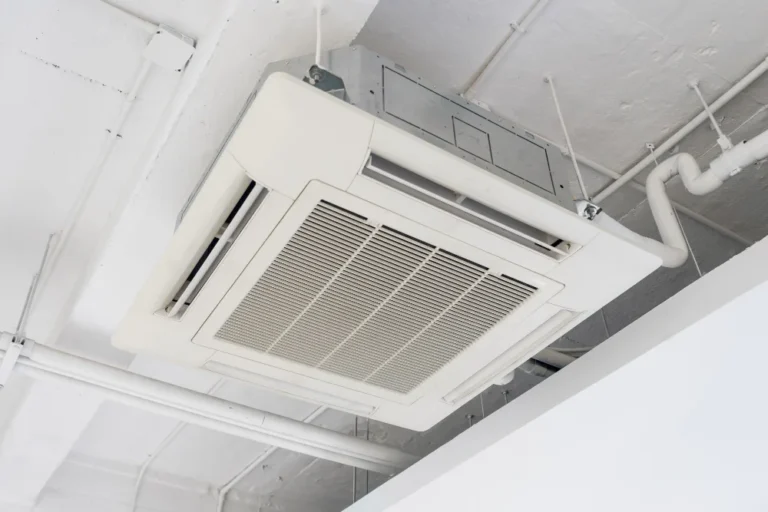
- Indoor and outdoor unit locations
- Pipework routes
- Future servicing access
If you’re searching for ac installation services near me, choosing a company that carries out detailed surveys is an excellent place to start.
What Decisions Are Made Before Installation?
Once the survey has been completed, the installer will begin planning the project.
Typical decisions include:
| Planning Stage | Purpose |
| System selection | Choose suitable equipment |
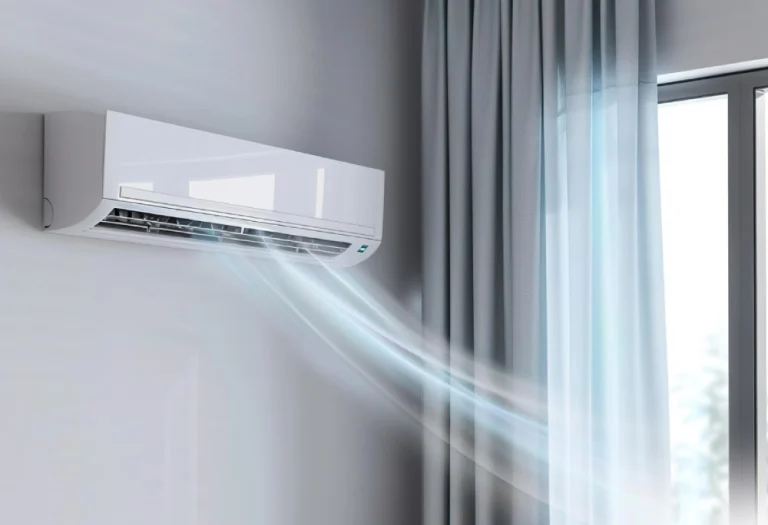
| Indoor unit locations | Improve airflow and comfort |
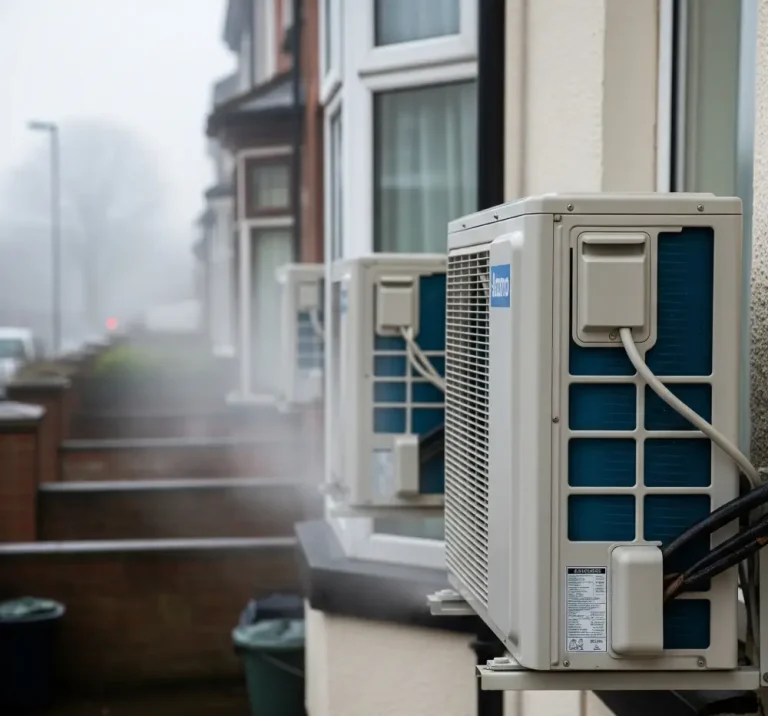
| Outdoor unit position | Maximise efficiency and access |
| Pipework routes | Keep the installation tidy |
| Installation schedule | Minimise disruption |
Making these decisions in advance helps installation day run efficiently and reduces the likelihood of unexpected delays.
How Should You Prepare Your Home?
Homeowners can also help ensure a smooth installation by carrying out a few simple preparations.
These include:
- Clearing access to rooms where work will take place
- Moving valuable or fragile items
- Making outdoor areas accessible
- Discussing any concerns with the installer
- Ensuring pets can be kept safely away from work areas
Small preparations like these allow installers to work safely and efficiently.
What Should Your Installer Explain Before Work Begins?
A professional installer should clearly explain every stage of the project before installation starts.
This normally includes:
- The installation timetable
- Expected working hours
- Areas where work will take place
- Temporary disruption
- How the installation will be completed
- What happens after the system is commissioned
Good communication helps homeowners feel informed throughout the project.
Why Does Good Planning Reduce Delays?
Many installation delays can be avoided through careful preparation before work begins.
Planning helps identify:
- Electrical requirements
- Pipework routes
- Equipment delivery arrangements
- Access requirements
- Installation sequence
By resolving these details in advance, installers can complete the work more efficiently and with fewer interruptions.
Speak with the experienced team at TRS Cooling to arrange a professional survey and enjoy expertly planned ac installation services from start to finish.
Should You Ask Questions Before Installation?
Absolutely. The survey is an excellent opportunity to ask about equipment, installation methods and future maintenance.
The more information you have before work starts, the more confident you’ll feel throughout the project.
A Typical Oxford Installation Example
A homeowner in Oxford decided to install air conditioning in a living room and two upstairs bedrooms before the summer months. During the initial survey, the installer measured each room, discussed how the family used the spaces and identified the most practical locations for the indoor and outdoor units.
Before installation day, the homeowner was given a clear schedule, advice on preparing the property and information about how long the work was expected to take. Because everything had been organised in advance, the installation was completed efficiently with very little disruption, and the system was fully tested before handover.
This level of preparation helps ensure homeowners know exactly what to expect throughout the project.
What Happens on Installation Day?
Once planning has been completed, installation day should follow a structured process.
A typical installation includes:
- Protecting floors and nearby furniture.
- Confirming the agreed unit locations.
- Installing the indoor and outdoor units.
- Routing and securing pipework and electrical connections.
- Testing the complete system.
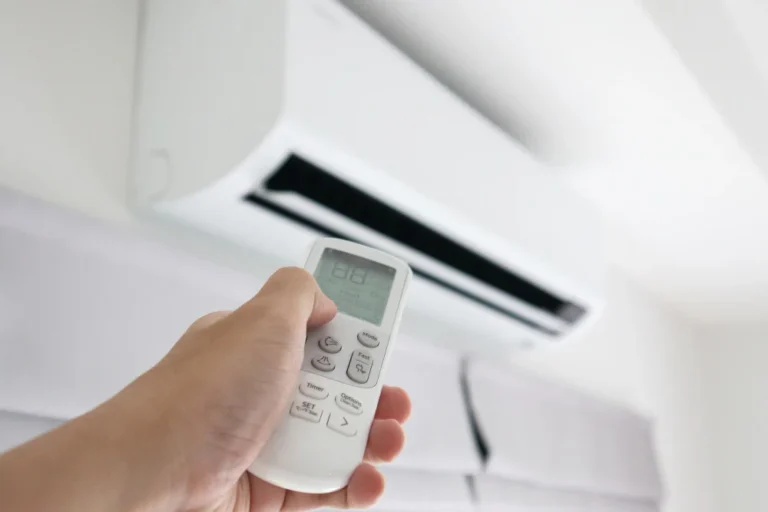
- Demonstrating how the controls operate.
- Tidying the work area and removing waste.
Professional installers aim to complete the work efficiently while treating your home with care and respect.
Why Is the Final System Check Important?
Before the project is completed, installers should thoroughly test the system to confirm that everything is operating correctly.
The final checks usually include:
- Cooling performance
- Heating performance where applicable
- Airflow
- Drainage
- Electrical safety
- Remote controller operation
These checks help ensure the system is ready for everyday use from the moment installation is complete.
If you’re looking for ac installation services near me, choosing an installer that carries out comprehensive testing provides additional peace of mind.
Looking for professional ac installation services? Contact TRS Cooling to arrange a detailed survey and enjoy a carefully planned installation carried out by an experienced team.
What Happens After the Installation?
Once the installation has been completed, your installer should explain how to get the best from your new air conditioning system.
This may include guidance on:
- Using the remote controller.
- Selecting the most efficient settings.
- Cleaning or replacing filters.
- Booking routine servicing.
- Maintaining good airflow around the indoor and outdoor units.
Following this advice helps keep the system operating efficiently and supports long-term reliability.