

Air Con Installation Company Oxford: Planning Permission and Practicalities
Installing air conditioning in Oxford is becoming increasingly common, especially as warmer summers make indoor comfort harder to maintain. However, unlike newer developments, many properties in the city come with restrictions that homeowners need to consider before moving forward.
From planning permission to practical installation challenges, understanding the process in advance can save time, cost, and unnecessary stress. Whether you live in a flat, a period home, or a modern extension, preparation is key.
Do You Need Planning Permission for Air Conditioning?
Not always, but it depends on the type of property and where the system will be installed.
In many standard homes, air conditioning falls under permitted development. However, Oxford has a high number of conservation areas and listed buildings, which can change the rules.
You may need permission if:
A reputable air con installation company will help you understand whether permission is required before any work begins.
If you’re unsure about planning requirements, you can contact TRS Cooling for guidance before starting your installation.
What Approvals Might Be Required?
Even if formal planning permission isn’t needed, other approvals may still apply.
Common approvals include:
| Approval Type | When It Applies |
| Freeholder Consent | Leasehold flats or shared buildings |
| Building Management Approval | Apartments or managed developments |
| Local Authority Approval | Listed or protected properties |
| Neighbour Considerations | Noise or external unit placement |
Working with an experienced air con installation company ensures these steps are handled correctly from the outset.
How Do Property Types Affect Installation?
Different property types in Oxford come with their own set of challenges.
Flats
Period Homes
Extensions and Modern Builds
Understanding these differences helps you choose the right system and avoid unnecessary complications.
What Are the Practical Challenges of Installation?
Beyond permissions, there are several practical factors that influence how air conditioning can be installed.
Common challenges include:
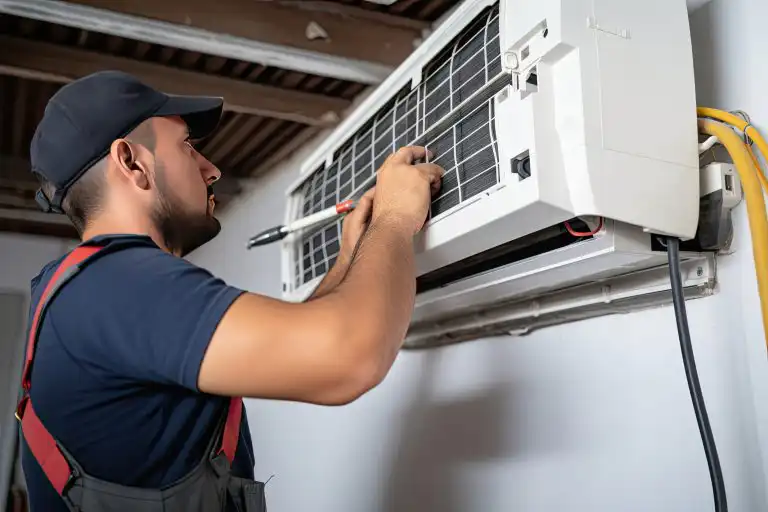
An experienced air con installation company will assess all of these during the planning stage.
How Long Does the Process Take?
The timeline for installation varies depending on the complexity of the project.
Typical stages:
Starting early is always advisable, particularly if permissions are needed.
Can Installation Be Done Without Visible Changes?
In many cases, yes.
Installers often use techniques to keep systems discreet, such as:
These approaches are especially important in period homes or properties within conservation areas.
What Should You Ask Before Hiring an Installer?
Choosing the right installer is just as important as choosing the system itself.
Key questions to ask:
A professional air con installation company will provide clear, honest answers and guide you through the process.
A Typical Oxford Installation Scenario
Consider a homeowner living in a conservation area who wants to install air conditioning in a rear extension.
After an initial survey, the solution includes:
The installation is completed within two days, with minimal impact on the property’s appearance.
How Can You Prepare for Installation?
Preparation helps ensure a smooth process from start to finish.
Steps you can take:
Taking these steps early can reduce delays and make the process more efficient.
If you’d like help planning your installation, TRS Cooling can provide a detailed survey and clear recommendations based on your property.
Is Air Conditioning Worth the Effort in Oxford?
For many homeowners, the answer is yes. As properties retain more heat, especially in built-up areas, air conditioning offers a reliable way to maintain comfort.
Key benefits:
While the process may involve a few extra steps, the long-term benefits often outweigh the initial effort.