
Can Air Conditioning Units Be Used for Heating?
Modern air conditioning technology has evolved beyond simply refreshing indoor spaces. Increasingly, manufacturers are incorporating heating capabilities into air conditioning units. In this article, we explore how modern air conditioning systems function as heaters and compare their efficiency with traditional heating systems. We will delve into the technology behind heat pumps, examine performance factors, and highlight the advantages and limitations of dual-function systems.
How Modern Air Conditioning Units Deliver Heating
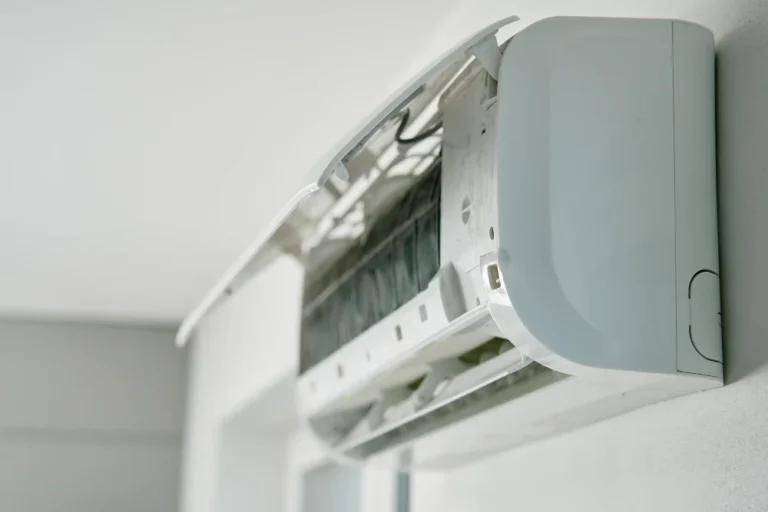
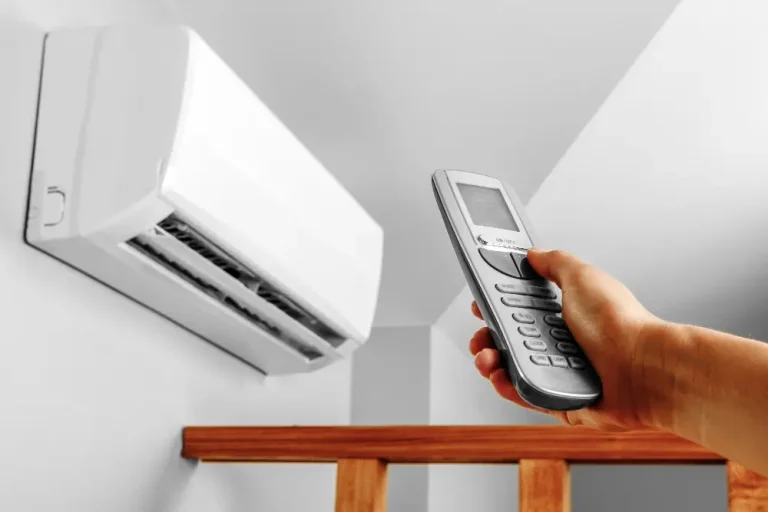
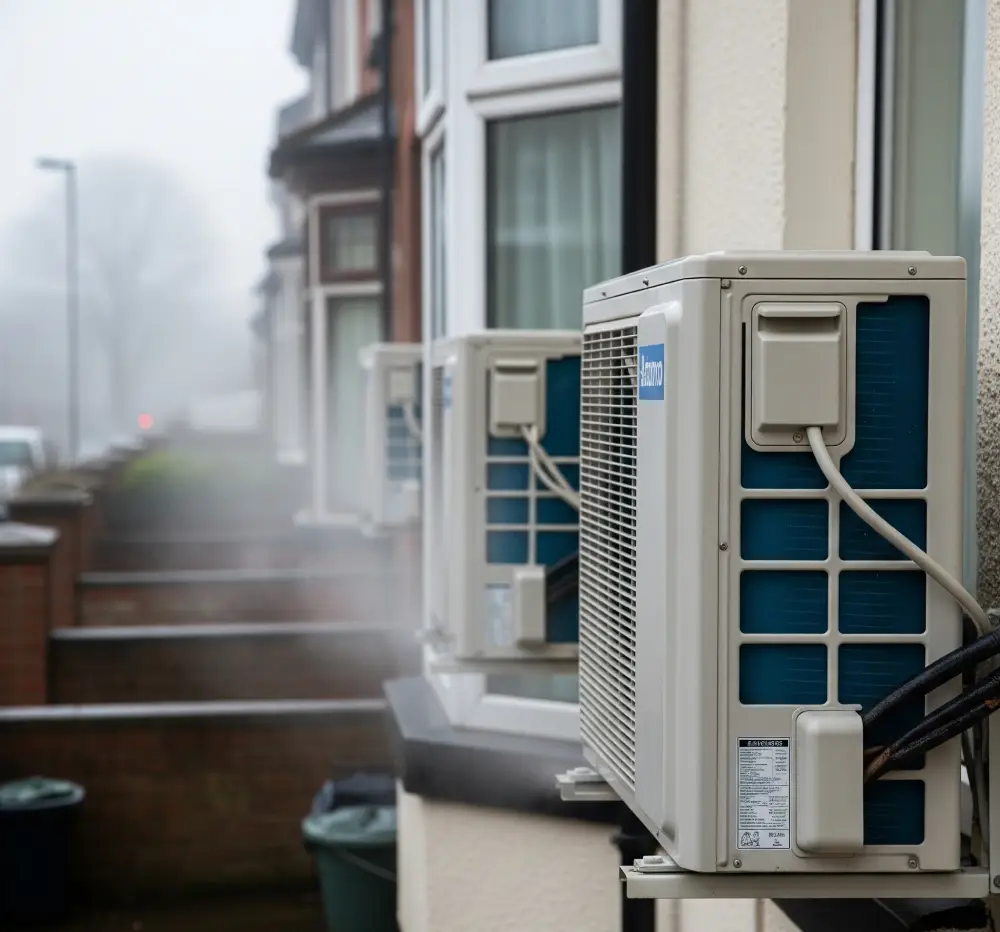
Modern air conditioning units have benefited from significant technological advancements. Most notably, many models now come equipped with heat pump technology. A heat pump reverses the traditional cooling process by extracting heat from the outside air—even when it is cold—and transferring it indoors. This allows a single unit to provide both cooling and heating.
Because the system moves heat instead of generating it, these units can often be more energy-efficient than conventional electric heaters. The design also simplifies installation, maintenance, and overall operation.
This dual functionality is now more than a convenience. It is a cost-effective solution for homeowners looking to maximise energy savings without the need for separate systems.
The Principle of Heat Pump Technology
At the heart of a heat pump is a refrigerant cycle. During cooling, the refrigerant absorbs heat from the indoor air and expels it outside. When the cycle is reversed, the refrigerant draws heat from the outdoor air and delivers it to the interior space.
This process is highly efficient when compared with traditional heating methods. The key factor governing efficiency is the Coefficient of Performance (COP). The COP measures the heat output relative to the electrical energy consumed. In many cases, a good heat pump system can deliver three to four units of heat for every unit of energy consumed.
Modern advances in compressor design, refrigerant selection, and air flow management further enhance performance. This means that even in moderately cold conditions, these systems can maintain comfortable indoor temperatures with minimal energy use.
Comparing Efficiency: Heat Pumps vs. Traditional Heating Systems
The efficiency of heat pump air conditioners is often compared with that of conventional heating systems such as electric heaters or gas boilers. The operational model of a heat pump system generally results in lower energy consumption due to its method of transferring heat rather than generating it.
Below is a table summarising some key comparisons:
| Heating Option | Energy Efficiency (COP) | Installation Cost | Maintenance | Ideal Climate |
| Heat Pump Air Conditioner | 3.0 – 4.5 | Moderate (Dual functionality) | Low to Moderate | Mild to moderate climates |
| Electric Heater | 1.0 | Low | Low | Any |
| Gas Boiler/Furnace | 0.8 – 1.2 | High | Moderate to High | Cold climates |
Table 1: Efficiency and cost comparisons between heat pump systems and traditional heating methods.
This table highlights that while traditional heaters may be cheaper to install initially, the running costs of heat pump systems often result in significant long-term savings. The dual functionality also means that homeowners can replace two separate systems with a single, efficient unit.
Efficiency Metrics and the Role of COP
The performance of heating systems is largely quantified using the Coefficient of Performance (COP). A higher COP indicates that the system transfers more heat than the equivalent amount of electrical energy used. Modern AC units fitted with heat pumps may exhibit a COP that surpasses traditional systems—especially under optimal conditions.
The COP decreases as the outdoor temperature drops. Despite this, many state-of-the-art systems continue to deliver acceptable heating output in moderately cold environments. This makes them a viable alternative in regions that do not experience extreme winter conditions.
Differences in refrigerant type also affect performance. Modern refrigerants, such as R-410A, yield a higher COP than older counterparts like R-22. These improvements are crucial in maximizing energy efficiency without compromising comfort.
Advantages of Using Dual-Function Air Conditioning Units
Using a single unit for both heating and cooling comes with numerous benefits. Energy savings are the most prominent as the system continuously leverages ambient heat regardless of the season.
In addition to energy efficiency, there is a significant reduction in upfront costs. Homeowners no longer need to invest in separate systems for heating and cooling. This dual functionality often translates into savings on installation and maintenance.
The compact size of these units makes them an ideal choice for smaller spaces. They also provide a more modern solution that integrates seamlessly into today’s smart home environments. This eliminates the need for extensive piping or ductwork that is typically associated with larger traditional heating systems.
Limitations and Challenges to Consider
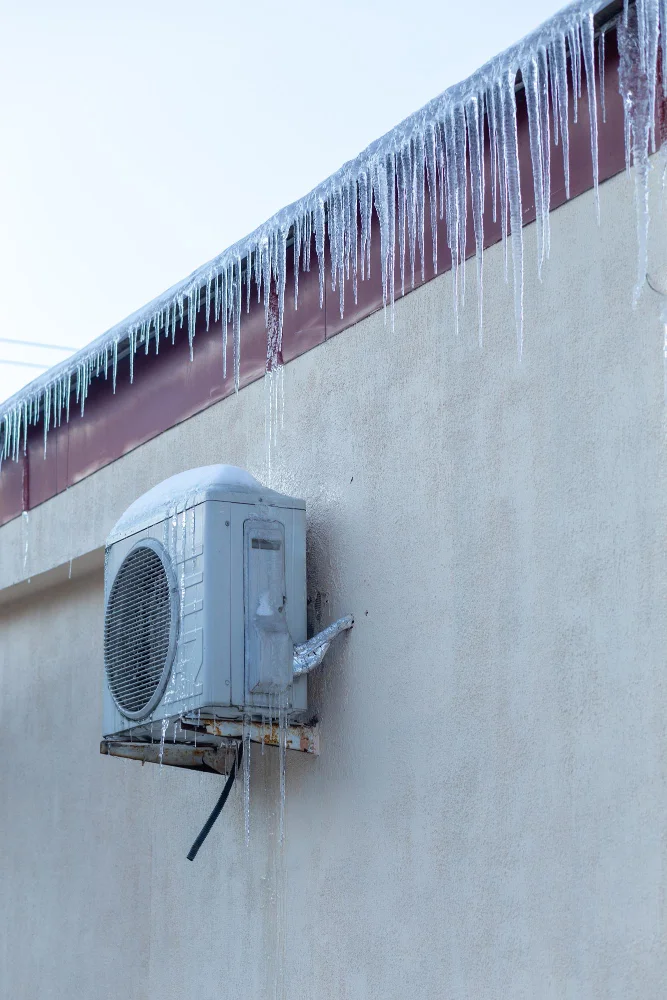
Despite the many advantages, dual-function AC units are not without their drawbacks. One of the main limitations is their performance in severely cold climates. When temperatures drop below a certain threshold, the efficiency of heat pump systems can decrease markedly.
Additional challenges include the potential need for supplemental heating when the ambient temperature is extremely low. The installation of these systems may require careful planning to ensure that the unit is appropriately sized for the space. Faulty installation or an undersized unit can lead to inefficient operation.
Maintenance remains an essential aspect. Though overall maintenance may be reduced, both heating and cooling functions require regular servicing to ensure optimal performance and longevity.
Factors Affecting Heating Efficiency in Modern AC Units
A number of factors determine how effectively an air conditioning unit can provide heat. Key considerations include:
- Outdoor Temperature: Lower temperatures may impair the heat extraction efficiency.
- Refrigerant Type: Modern refrigerants such as R-410A contribute to higher efficiency.
- Airflow: Unobstructed airflow ensures proper heat distribution.
- System Size and Installation: Correct sizing and professional installation maximise both cooling and heating output.
When all these factors are aligned, a well-maintained heat pump system can provide a comfortable living environment year-round.
Enhancing Efficiency with Regular Maintenance
To maximise performance, regular maintenance of both the cooling and heating functions is crucial. Keeping filters clean and ensuring that the airflow is unobstructed can help maintain a high COP.
In addition, checking the refrigerant level and ensuring that the equipment is in proper working order can extend the lifespan of your unit. By maintaining these aspects, you help ensure that your system operates efficiently across all seasons.
An efficient system provides better energy savings, less downtime, and ultimately a more comfortable home environment. Regular professional checks can prevent minor issues from escalating into costly repairs.
Comparative Table of Operating Costs and Savings
To further illustrate the benefits, consider another table comparing typical energy costs and potential savings over five years:
| System Type | Average Annual Energy Cost (£) | Estimated 5-Year Savings (£) | Operating Complexity |
| Dual-Function Heat Pump AC | 250 – 350 | Up to 40% savings vs. electric heaters | Low |
| Conventional Electric Heater | 400 – 500 | Baseline | Very Low |
| Gas Heating System | 300 – 450 | Moderate savings for well-maintained units | Moderate |
Table 2: Five-year operating cost comparison between dual-function heat pumps and traditional systems.
This table reinforces the long-term economic benefits of upgrading to a modern, dual-function air conditioning system. While initial costs may be slightly higher, savings on energy bills and reduced maintenance costs make these systems attractive for many homeowners.
How to Choose the Right System for Your Home
When selecting a dual-function air conditioning unit, several key factors must be considered. First, determine your home’s specific heating and cooling needs. An undersized unit may struggle during peak conditions, while an oversized system can lead to inefficiencies.
Consulting with a professional who can assess your space is advisable. They will evaluate your insulation, room size, and local climate to recommend the optimal system. This personalised approach helps ensure you obtain a unit that meets your requirements and budget.
After a careful evaluation, choosing a unit that balances both performance and cost-effectiveness is essential. In many cases, the additional features and savings in energy costs justify the upgrade from separate systems.
Internal Insight: Types of Air Conditioning Units
Understanding the variety of air conditioning units available is vital. Some systems offer additional features that are particularly beneficial in dual-function models.
For more detailed insights into the different types of air conditioning units and how they cater to various needs, please visit our dedicated page on types of air conditioning units.
The Role of Ventilation in Maximising System Performance
Optimal performance of dual-function systems isn’t solely about the unit itself. Proper ventilation plays a crucial role in maintaining efficiency. Good circulation ensures that the heat pump can effectively extract or expel heat from your space.
Proper ventilation optimises indoor air quality and helps prevent issues such as moisture build-up or inefficient heat distribution. A balanced system, including adequate ventilation, is essential for long-term performance.
For a more comprehensive understanding of how ventilation systems can enhance your unit’s performance, explore our detailed guide on ventilation systems.
Professional Installation: A Key to Efficiency
The efficiency of any dual-function AC system largely depends on the quality of installation. An expert installer will ensure your unit is correctly sized and optimally positioned, leading to smoother operations and enhanced efficiency.
Poor installation practices can lead to energy wastage and increased maintenance costs. It is, therefore, crucial to hire professionals who specialise in modern HVAC solutions. Reliable installation not only improves performance but also extends the longevity of your system.
Routine Repairs and Maintenance: Ensuring Longevity
Even the highest quality units will require periodic repairs and routine service. Regular maintenance checks improve efficiency and reduce the likelihood of unexpected breakdowns.
A reputable service provider can offer scheduled maintenance plans, ensuring your system remains in peak condition. Addressing minor issues immediately helps avoid costly repairs and prolongs the lifespan of your equipment.
Should you require any repairs or upgrades, our air conditioning repairs service is designed to keep your system performing reliably year-round.
Energy-Saving Tips for Dual-Function Systems
There are additional ways to enhance the efficiency of your dual-function system. Consider the following tips:
- Regular Servicing: Schedule regular maintenance checks.
- Cleaning Filters: Clean or replace air filters regularly.
- Smart Thermostats: Use programmable thermostats to control energy use.
- Seal Drafts: Enhance energy efficiency by sealing gaps around windows and doors.
Implementing these simple measures can further reduce energy consumption and optimise your system’s overall performance.
Environmental Benefits of Using Heat Pump Technology
The environmental impact of heating systems is an increasingly significant consideration. Heat pump technology is recognised for its lower carbon emissions compared to conventional heating systems.
Because heat pumps reduce reliance on fossil fuels and use ambient heat, their environmental footprint is considerably smaller. For homeowners who value sustainability, this makes dual-function air conditioning an attractive solution.
These units contribute to lowering overall energy consumption and can be integrated into eco-friendly home designs. This not only benefits the environment but also helps in achieving greener energy goals.
Economic Considerations and Long-Term Savings
While the initial investment for a modern dual-function air conditioning system may be higher than that for traditional heaters, it is important to consider the long-term savings. The substantially lower energy consumption and potential government incentives for energy-efficient systems can reduce the total cost of ownership over time.
Moreover, the single installation cost for a dual-function system is likely to be lower compared to purchasing separate heating and cooling units. Homeowners benefit from a more streamlined system that offers consistent performance across seasons.
These savings, paired with the environmental and operational benefits, highlight why many homeowners are upgrading to integrated heating and cooling solutions.
Overcoming Common Myths
There are many misconceptions about using air conditioning units as heaters. One common myth is that these units cannot operate effectively in cold weather. In reality, modern heat pump systems are designed to work efficiently within a range of temperatures, although they may require supplementary heating in extremely cold conditions.
Another misunderstanding is that dual-function units are more complex to operate. In fact, many systems come with sophisticated controls that allow seamless mode switching, making them user-friendly and highly efficient.
Dispelling these myths helps homeowners make informed decisions about investing in a dual-function system.
System Adaptability in Varying Climates
The adaptability of air conditioning units with integrated heating is another advantage worth noting. These systems are designed to cope with a variety of climatic conditions. In regions with mild winters, they can maintain a consistent and comfortable temperature with little additional energy use.
In colder climates, while performance may dip slightly, many systems still offer significant benefits. In such cases, homeowners might consider supplemental heating options or hybrid systems to ensure optimal comfort.
The operating flexibility of these units reinforces their appeal in both urban and rural settings, making them a versatile option for modern homeowners.
Final Considerations Before Upgrading
Before upgrading your current heating and cooling system, it is essential to evaluate several factors. Consider the size and insulation of your home, typical weather conditions in your area, and your budget. A well-informed decision will ensure that your investment in a dual-function unit is both cost-effective and well-suited to your needs.
Moreover, the installation and ongoing maintenance should be performed by experienced professionals. This guarantees the system operates at peak efficiency, maximising the benefits over its lifetime.
Balancing initial costs against long-term savings is key to understanding the true value offered by modern heat pump technology.
Enhancing Your Home with the Right HVAC Solution
Every home is unique, and so are its heating and cooling requirements. Customising your HVAC system to match your specific needs can significantly impact both comfort and energy savings.
A tailored solution may involve additional upgrades such as improved insulation or smart home integration. These measures work in tandem to optimise your overall energy consumption and indoor air quality.
Frequently Asked Questions (FAQs)
Q1: Can all air conditioning units work as heaters?
Not every air conditioning system can provide heating. Only models equipped with heat pump technology have the dual-function capability. Standard units designed solely for cooling cannot be used as effective heaters.
Q2: What exactly is a heat pump, and how does it work?
A heat pump operates by reversing the traditional cooling cycle. It extracts heat from the outdoor air and transfers it indoors. This method of transferring heat, rather than generating it, results in improved energy efficiency.
Q3: How does the efficiency of a heat pump compare with traditional heating systems?
Heat pump systems typically boast a higher Coefficient of Performance (COP), achieved by transferring ambient heat. This means they can be up to three to four times more efficient than conventional electric heaters or boilers, particularly in mild climates.
Q4: What maintenance is required for a dual-function system?
Regular maintenance is key. This includes cleaning filters, checking refrigerant levels, ensuring optimal airflow, and having periodic professional servicing to keep the unit running efficiently and prolong its lifespan.
Q5: Are there any drawbacks to using an air conditioning unit as a heater?
Yes, dual-function units may struggle in extremely cold climates. Some systems might require supplemental heating during harsh winter days. Additionally, proper installation and periodic maintenance are essential to maintain efficiency and comfort.
Conclusion
Modern air conditioning units fitted with heat pump technology offer an innovative and efficient alternative to traditional heating systems. They are not only capable of cooling but are also engineered to provide cost-effective heating solutions. Homeowners in regions with mild to moderate winters can experience significant energy savings and environmental benefits by investing in these dual-function systems.
If you are considering switching to a modern integrated system, ensure that you consider all factors—from your home’s size to your local climate. Trust professional guidance to maximise installation efficiency and long-term performance.For a seamless transition to a modern, energy-efficient heating and cooling system, TRS Cooling is here to help. Our expert services cover everything from system selection to installation, repairs, and routine maintenance. Experience the benefits of integrated HVAC solutions with us.