
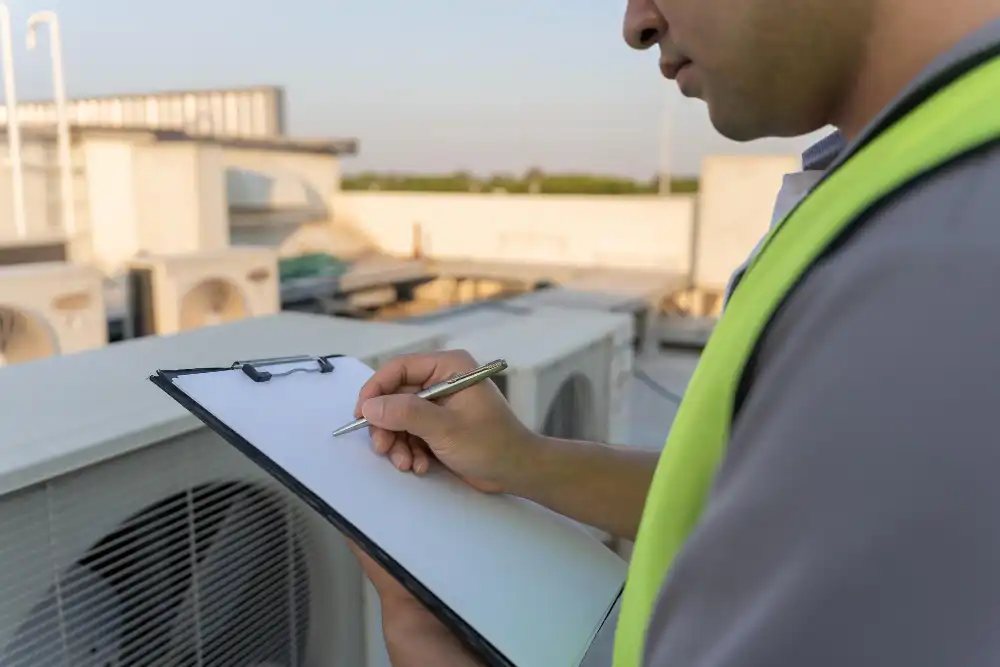
Indoor and Outdoor Unit Placement: What Makes an AC Install Work Properly
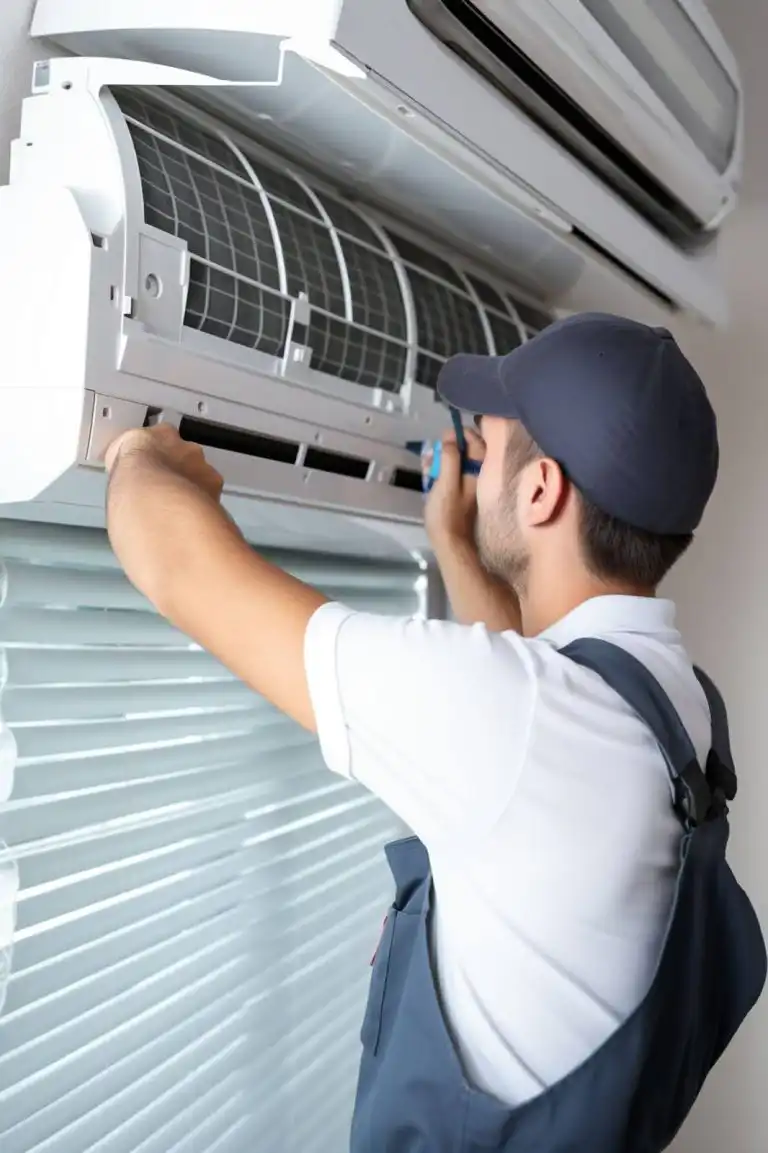
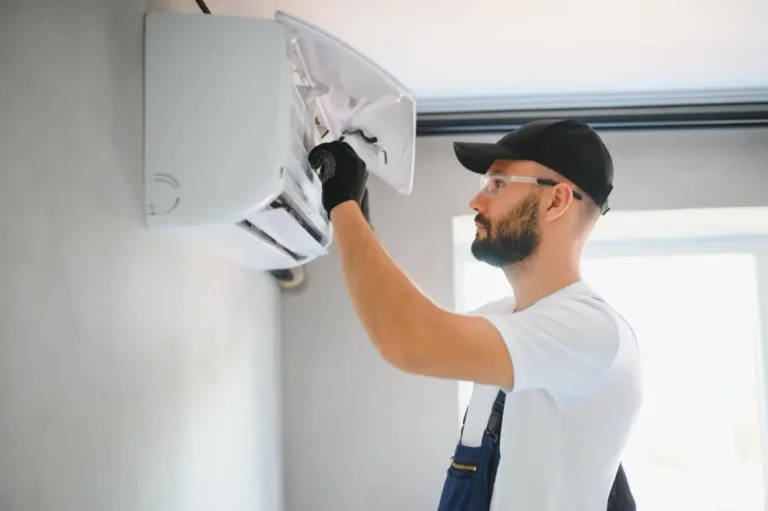
Installing air conditioning is about much more than selecting a suitable system. Where the indoor and outdoor units are positioned has a significant impact on performance, energy efficiency and the overall appearance of your home. Even the most advanced equipment can struggle to deliver consistent comfort if it is installed in the wrong location.
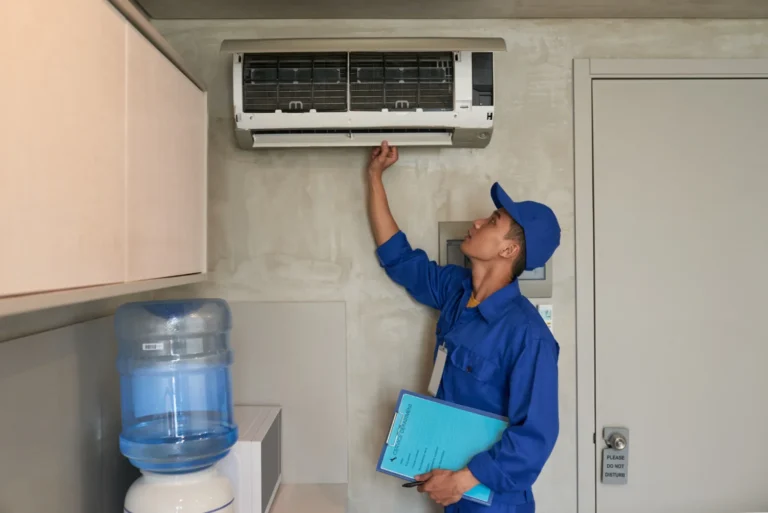
A professional installation begins with careful planning. Every property is different, so installers consider room layout, airflow, access and external space before deciding where each component should be positioned. Taking the time to get these details right helps ensure your system operates efficiently for many years.
Thinking about air conditioning for your home? Contact the TRS Cooling team to arrange a professional survey and receive expert advice on the best installation options.
Why Does Indoor Unit Placement Matter?
The indoor unit is responsible for distributing conditioned air evenly throughout the room. Poor positioning can result in uneven temperatures, uncomfortable draughts or unnecessary energy consumption.
Installers typically look for locations that allow unrestricted airflow while blending neatly with the room’s layout.
Factors considered include:
- Distance from seating or sleeping areas
- Ceiling height
- Furniture placement
- Door and window locations
- Air circulation throughout the room
- Ease of future maintenance
Correct positioning helps the system cool or heat the space evenly without working harder than necessary.
Should Every Room Have the Same Installation Approach?
No. Different rooms have different cooling and heating requirements depending on how they are used.
For example:
| Room | Installation Considerations |
| Bedroom | Quiet operation and gentle airflow |
| Living room | Even air distribution across larger spaces |
| Home office | Consistent comfort during working hours |
| Kitchen | Additional heat generated by cooking |
| Loft conversion | Greater exposure to summer heat |
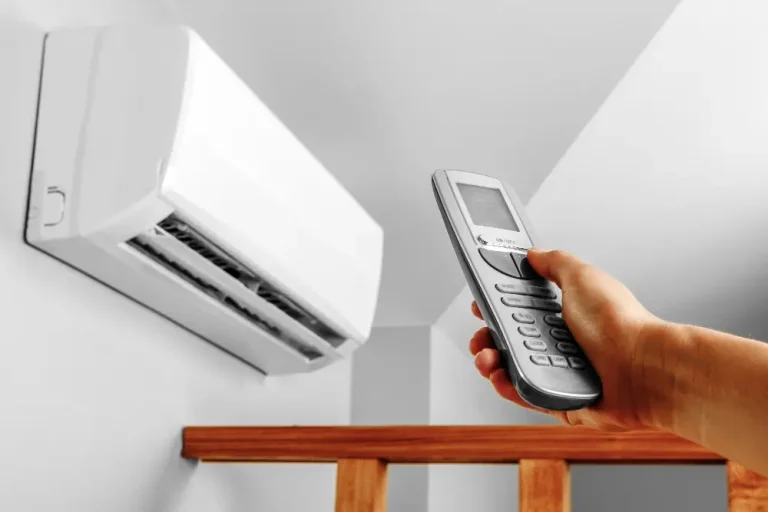
A wall mounted air conditioning unit is often suitable for many domestic rooms because it provides efficient airflow while remaining compact and unobtrusive.
What Makes a Good Position for the Outdoor Unit?
The outdoor unit plays an equally important role. It releases heat from the property during cooling and requires a steady supply of fresh air to operate efficiently.
When selecting a suitable location, installers consider:
- Good ventilation
- Solid, level mounting surfaces
- Safe access for servicing
- Appropriate distance from neighbouring properties
- Protection from unnecessary obstruction
- Practical pipework routes
Choosing the right location helps maintain efficiency while making routine maintenance simpler.
Can Poor Placement Affect Running Costs?
Yes. Incorrect positioning can make the system work harder to maintain the desired temperature.
Examples include:
- Airflow blocked by furniture
- Indoor units installed too close to the ceiling
- Outdoor units with restricted ventilation
- Long pipework routes reducing efficiency
- Poorly positioned units exposed to unnecessary heat
Professional planning helps avoid these issues before installation begins, improving long-term performance and reducing energy consumption.
If you’re considering a wall mounted air conditioning unit, discussing room layout during the survey allows installers to recommend the most effective position.
How Is Pipework Planned?
Although the indoor and outdoor units attract most attention, the pipework connecting them is equally important.
During the survey, installers assess:
- The shortest practical pipe route
- Ways to conceal pipework neatly
- Wall construction
- Drainage requirements
- Electrical cable routes
- Future servicing access
Careful planning creates a tidy installation while helping the system perform efficiently.
Book a professional air conditioner installation service with TRS Cooling and receive expert guidance on the best unit placement for your property.
Does Property Type Influence Installation?
Absolutely. Every home presents different opportunities and challenges.
Detached homes may offer greater flexibility for outdoor unit placement, while terraced houses or apartments may require more careful planning around available wall space and access.
Period properties can also require discreet installation methods to preserve the appearance of the building while achieving effective cooling and heating.
A Typical Oxford Installation Example
A homeowner in Oxford wanted to improve comfort in an open-plan kitchen and living area while also cooling an upstairs bedroom. During the initial survey, it became clear that simply placing the indoor units on the nearest available wall would not provide the best airflow.
Instead, the installer selected positions that allowed conditioned air to circulate evenly across each room. The outdoor unit was mounted on a solid external wall with good ventilation and convenient access for future maintenance. Pipework was routed discreetly to maintain the appearance of the property while keeping the installation efficient.
By taking the time to plan each element carefully, the finished system delivered consistent temperatures, operated quietly and blended naturally with the home’s interior.
What Are the Most Common Unit Placement Mistakes?
Professional installers aim to avoid issues that can reduce performance or create unnecessary maintenance challenges.
Some of the most common mistakes include:
- Installing indoor units directly above seating or beds where airflow may feel uncomfortable
- Positioning units behind curtains, shelving or tall furniture that restrict airflow
- Choosing outdoor locations with limited ventilation
- Creating unnecessarily long pipework routes
- Fitting equipment where future servicing is difficult
- Ignoring the impact of direct sunlight on room temperatures
These problems may not be obvious during installation but can affect comfort, efficiency and running costs over time.
Why Is Professional Installation Worth It?
A well-planned installation delivers far more than cool air. It helps ensure the system operates efficiently throughout the year and remains easy to maintain.
An experienced air conditioner installation service will consider every stage of the project, including:
- Accurate system sizing
- Practical indoor and outdoor unit locations
- Neat pipework and cable routing
- Electrical requirements
- Long-term servicing access
- Overall appearance of the installation
Attention to these details contributes to reliable performance and a professional finish.
[CTA 3]
If you’re planning a wall mounted air conditioning unit for your home, speak to the TRS Cooling team. We’ll assess your property, explain your options and recommend an installation that suits both your home and your lifestyle.
How Can You Prepare Before Installation?
There are a few simple steps homeowners can take before installation day to help everything run smoothly.
These include:
- Ensuring installers have access to the rooms where units will be fitted
- Moving furniture away from the working area where possible
- Discussing any preferred locations for indoor units
- Highlighting any concerns about appearance or noise
- Asking questions about future servicing and maintenance
Good communication before work begins helps achieve an installation that meets your expectations while minimising disruption.