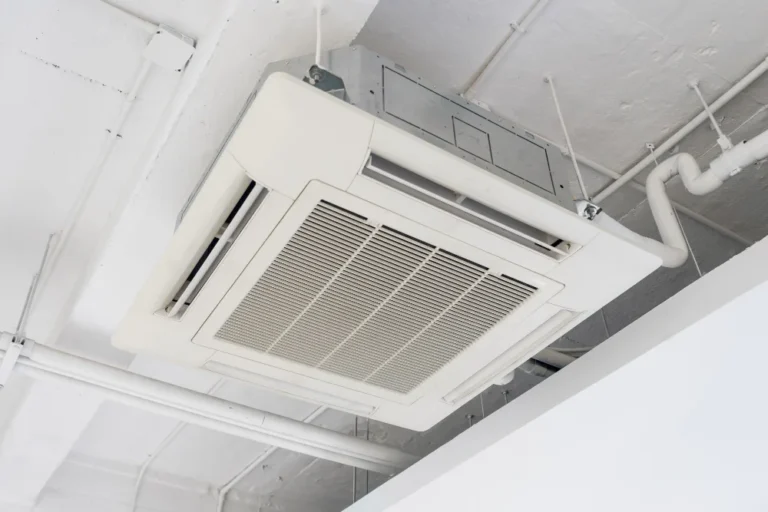


Refrigeration vs Air Conditioning: What’s the Difference?
Cooling technology has become an integral part of modern living and industry. Both refrigeration and air conditioning function on similar principles—using refrigerant cycles, compressors, and heat exchangers—yet their purposes and applications diverge significantly. This blog examines the core differences between the two systems, focusing on their technical operations, intended functions, and the benefits they bring to various environments in the UK.
Understanding the Basics of Cooling Systems
Refrigeration refers to the process of lowering the temperature of an enclosed space well below ambient conditions in order to preserve perishables or control processes in industrial settings. In contrast, air conditioning focuses on conditioning the ambient air for human comfort by not only cooling it but also by controlling humidity and air quality. Although both systems employ similar mechanical cycles, their designs are adapted to the needs of their respective applications.
Both systems utilise compressors to circulate refrigerants that absorb and reject heat in cycles. In refrigeration, the target is to reach and maintain temperatures that are below the level deemed comfortable for humans. Meanwhile, air conditioning is designed to achieve a balanced environment that promotes comfort in homes, offices, and public spaces across the UK.
The Mechanics of Refrigeration
Refrigeration systems are specifically engineered to create and sustain temperatures that preserve food, pharmaceuticals, and other sensitive products. The refrigeration cycle involves compressing refrigerant gas, condensing it into a liquid, and then allowing it to expand and evaporate in an evaporator coil. This process continuously absorbs heat from within the compartment and transfers it outwards.
The precision required in a refrigeration system is critical. Temperature control, rapid cycling, and moisture management are essential for preventing spoilage and ensuring product quality. In industries where temperature-sensitive items are stored, a slight miscalculation in the cycle can lead to significant losses.
Consider the following table, which outlines some key differences from a technical perspective:
| Parameter | Refrigeration | Air Conditioning |
| Primary Goal | Maintain temperatures far below ambient levels | Ensure comfortable, breathable air at moderate levels |
| Temperature Range | Typically below 5°C and sometimes below freezing | Generally between 18°C and 28°C |
| Application | Food storage, petrochemical processes, pharmaceuticals | Residential, commercial, and industrial comfort |
| Air Circulation | Minimal; focused on static, controlled environments | Extensive; involves ducting or fan-assisted circulation |
| Moisture Control | Often integrated to prevent condensation in compact units | Actively dehumidifies using condensers |
This table highlights that while the underlying technology may be similar, the parameters of operation are carefully tailored to meet different end goals.
Air Conditioning: A System for Comfort
Air conditioning systems are designed to regulate indoor climates for enhanced comfort and productivity. By continuously removing heat from indoor air and sometimes dehumidifying it, these systems prevent the build-up of condensation and create a congenial atmosphere for occupants. They work efficiently on larger scales, ensuring that expansive environments like offices or shopping centres remain uniformly cool.
Modern air conditioning units are equipped with advanced controls and sensors that adjust operations based on occupancy levels and outdoor conditions. This level of flexibility is intended to save energy and provide a consistently pleasant indoor climate without the extremes seen in refrigeration systems.
Comparing Refrigeration and Air Conditioning
Both refrigeration and air conditioning share fundamental operating principles based on the manipulation of heat through controlled refrigerant cycles. However, the stark differences lie in their applications and performance metrics.
While refrigeration aims at reducing temperatures drastically to preserve delicate goods, air conditioning ensures that large spaces remain within a range of temperatures that are comfortable for living and working. Air conditioning systems also manage air quality by filtering particulates and regulating humidity—features that are not typically required from refrigeration systems.
A side-by-side visual summary of key features is provided in the table below:
| Feature | Refrigeration | Air Conditioning |
| Cooling Cycle | Fast cycle for rapid temperature drop | Continuous cycle for moderate cooling |
| Component Density | Compact coil systems within insulated cabinets | Distributed cooling coils and duct systems |
| Energy Consumption | High energy use during rapid cycling | Energy use balanced by smart sensors |
| Environmental Impact | Traditionally utilises refrigerants with high global warming potential; new trends aim for eco-friendly alternatives | Increasing focus on energy efficiency and reduced emissions |
| Maintenance Needs | Requires accurate monitoring to avoid spoilage risks | Regular servicing to maintain comfort and efficiency |
This table illustrates that each system is optimised for its unique set of operational challenges and goals.
Applications and Importance in the UK
In the UK, the demand for refrigeration extends beyond domestic fridges into industrial-scale cold storage, medical facilities, and high-precision laboratories. Every sector relies on refrigeration for its ability to prevent spoilage and support critical processes. Conversely, air conditioning is increasingly important in commercial buildings, retail spaces, and even residential properties—ensuring that growing urban centres and modern offices remain comfortable despite external weather fluctuations.
Understanding the distinction between the two is crucial for stakeholders aiming to invest in the correct technology for their needs. The use of the phrase “refrigeration vs air conditioning UK” has seen a significant surge in search volume, reflecting the growing interest in efficient, purpose-built cooling solutions. Detailed market analyses and performance benchmarks are now more readily available, guiding both businesses and homeowners toward informed decisions.
For dedicated refrigeration services, professionals can find specific details on cold chain management and precise temperature control through Refrigeration Services. This information is vital for sectors where even minor temperature deviations can lead to major losses.
Overlapping Principles and Shared Technology
Even though the applications differ, refrigeration and air conditioning systems have much in common technologically. Both rely on the cycles of compression, condensation, expansion, and evaporation. The efficiency of these cycles significantly impacts overall system performance. Manufacturers are continually innovating to improve compressor design, refrigerant formulations, and control algorithms.
Technical similarities include the use of refrigerants like R-134a, though applications may dictate the use of alternative compounds in response to environmental regulations. This progressive evolution in technology has led to systems that are not only more effective but also more environmentally friendly. As the demand for energy-efficient solutions increases, there is a visible trend toward adopting natural refrigerants and advanced heat exchangers.
Investments in research and development within the HVAC industry in the UK have resulted in systems that now offer improved thermal efficiency while reducing energy wastage. Innovations from both sectors are beginning to converge, as seen in dual-purpose systems that provide both high-precision cooling and comfortable ambient climate control.
Installation, Maintenance and Repair Considerations
The installation of refrigeration and air conditioning units requires thorough planning and technical know-how. While refrigeration systems generally require enclosed, insulated spaces with rapid cycling components, air conditioning installations may necessitate ductwork, external condensers, and integrated sensor networks. Both systems demand skilled installers to ensure that systems operate safely and effectively over the long term.
Moreover, routine servicing forms a vital component of the operational life cycle. Regular inspections and timely repairs mitigate the risks of unexpected breakdowns. Clients experiencing issues with performance or system reliability will often benefit from services focused on Air Conditioning Repairs, which provide rapid resolution to common problems.
Beyond repairs, scheduled upkeep is key to maximizing the lifespan of cooling systems. Detailed maintenance strategies, which include cleaning and systematic checks, can be explored further via Air Conditioning Maintenance. These procedures ensure that systems continue to operate at peak efficiency, reducing the likelihood of energy waste and unexpected downtime.
Energy Efficiency and Environmental Impact
Both refrigeration and air conditioning systems have historically raised concerns about energy consumption and environmental impact. In response to global climate change imperatives, manufacturers have adopted greener refrigerants with lower ozone depletion potential and improved energy efficiency metrics. The UK market has seen a shift towards systems that balance comfort or preservation needs with sustainability goals.
For refrigeration systems, this involves the transition from older refrigerants to more environmentally benign alternatives. Energy calculators and lifecycle assessments are tools now routinely used to ensure that the chosen system not only meets operational needs but also minimises environmental impact.
Air conditioning systems benefit from intelligent sensors that adjust performance based on ambient conditions. These adaptive systems reduce energy use during off-peak times, thus contributing to a reduced carbon footprint. This focus on energy efficiency is vital, especially in the UK’s evolving regulatory landscape, where sustainability is as much an economic imperative as it is an environmental duty.
Integrating Technology with Comfort and Preservation
The interplay between technology and human comfort is evident in the evolution of modern cooling solutions. As research and innovation drive further improvements, both refrigeration and air conditioning systems are becoming more sophisticated. The integration of digital controls and remote monitoring not only enhances performance but also provides users with actionable data regarding energy consumption and system health.
This integration is particularly evident in smart homes and commercial properties, where a balance between high-precision cooling and ambient comfort can be maintained with minimal manual intervention. Innovations in this field may soon blur the traditional boundaries between the two systems, offering hybrid solutions tailored to specific needs.
For those exploring comprehensive cooling solutions that encompass both refrigeration and air conditioning, additional insights on advanced systems can be found by visiting the general overview at TRS Cooling. This platform provides a wealth of resources on the latest trends and innovations in the industry.
The Business Case: Why Differentiation Matters
For businesses and homeowners alike, understanding the differences between refrigeration and air conditioning is not merely a technical necessity. Informed decisions on which technology to invest in can lead to significant cost savings, enhanced energy efficiency, and improved operational reliability. A misapplied system—for example, using an air conditioning unit for deep refrigeration tasks—can lead to overwork, inefficiency, and in extreme cases, complete system failure.
Industry experts emphasize that each system should be matched precisely to its intended application. A refrigeration setup ensures that products remain at critical low temperatures, while an air conditioning system promotes a healthy living or working environment. This differentiation is essential not only for performance but also for customer satisfaction.
Furthermore, the surge in search queries for “refrigeration vs air conditioning UK” reflects a growing awareness among decision-makers who are increasingly considering both the long-term operational costs and the environmental impact. Adopting the correct system can improve product longevity in commercial settings and enhance daily comfort for residential customers.
FAQs on Refrigeration vs Air Conditioning
Q1: What is the primary purpose of refrigeration?
Refrigeration is mainly used to lower temperatures in a controlled environment to preserve perishables and sensitive products. It prioritises achieving temperatures significantly below ambient levels.
Q2: How does air conditioning differ in its function?
Air conditioning is designed to regulate the ambient environment, ensuring comfort through moderate cooling, humidity control, and air circulation. It is optimised for human comfort rather than deep cooling.
Q3: Can an air conditioner be used as a refrigerator?
Although both systems operate on similar principles, an air conditioner is not designed to attain the low temperatures required for effective refrigeration, which may result in inconsistent performance and increased energy use.
Q4: What factors should be considered when choosing between the two?
The selection depends on the intended application: businesses requiring low-temperature preservation should prioritise refrigeration, while residential or commercial spaces benefit most from air conditioning. Energy efficiency, installation requirements, and maintenance are also key considerations.
Q5: Are there environmentally friendly options available for both systems?
Yes. Modern systems are increasingly designed to use eco-friendly refrigerants and incorporate advanced energy-saving technologies in both refrigeration and air conditioning units.
Conclusion
In summary, while refrigeration and air conditioning share a common technical foundation, they have evolved to serve distinct purposes. Refrigeration is geared towards maintaining substantially lower temperatures to preserve perishables and sensitive materials. In contrast, air conditioning is optimised for comfort by regulating ambient conditions, removing excess heat and moisture, and ensuring a pleasant indoor environment.
This detailed comparison has highlighted key aspects such as operational mechanisms, applications, energy efficiency, and environmental impacts. By understanding these differences, businesses and homeowners in the UK can make informed decisions that not only satisfy their immediate cooling needs but also contribute to long-term sustainability.
Ultimately, proper installation, regular maintenance, and timely repairs are crucial to maximise the benefits of these systems. With the increasing emphasis on energy efficiency and environmental responsibility, the need for specialised professional support has never been greater. As experts continue to refine these systems, the market in the UK remains at the forefront of adopting innovative, purpose-driven cooling solutions.