
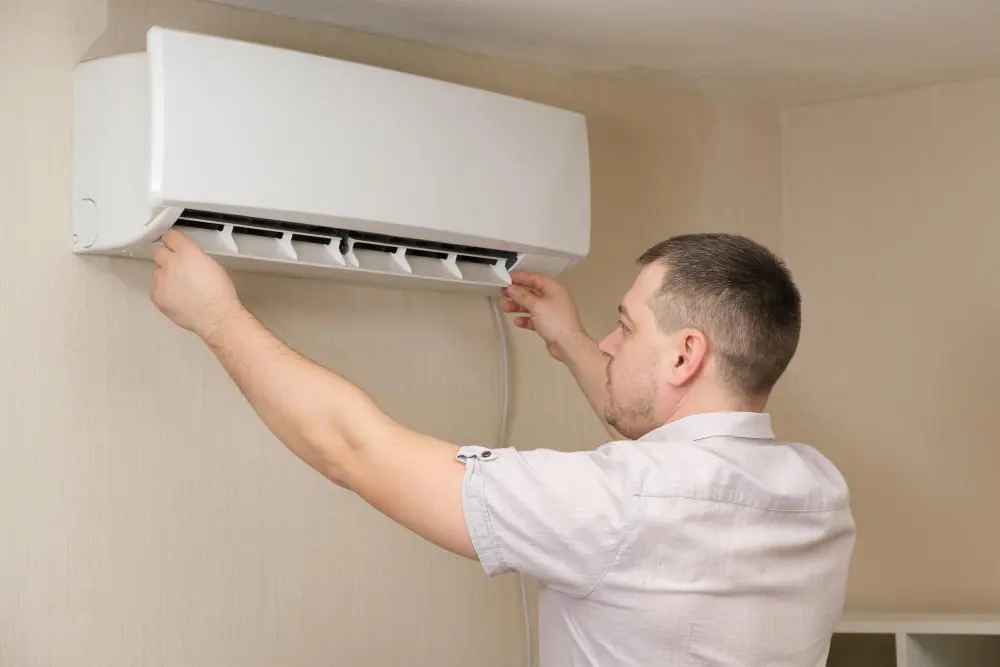
Split System Handover Checks Before Your Installer Leaves
The installation of a split air conditioning system does not really finish when the indoor unit is mounted and the outdoor unit is running. There should also be a proper handover, with final checks completed and the homeowner shown how to use the equipment.
Before your installer leaves, it is worth confirming that the system operates correctly, the controls make sense and you have the information needed for future maintenance or warranty support. These checks are particularly important when comparing an air con split system installer Oxford homeowners can rely on.
A few minutes spent on the handover can prevent confusion later and give you confidence that the installation has been completed properly.
If you are planning a split system installation and want to understand what should be checked before the job is signed off, contact TRS Cooling for practical advice.
What Should Be Checked Before the Installation Is Signed Off?
The final inspection should cover more than whether cool air is coming from the indoor unit. Your installer should check the complete system and confirm that it is operating as expected.
Typical checks include:
- Indoor unit operation
- Outdoor unit operation
- Cooling performance
- Heating operation where available
- Fan speeds
- Airflow direction
- Controller operation
- Condensate drainage
- Electrical isolation
- Pipework and visible connections
- Unusual noise or vibration
- General condition of the installation
The exact checks depend on the equipment and installation, but the principle is straightforward: the system should be tested before the installation team leaves.
How Should the Indoor Unit Be Checked?
The indoor unit should operate smoothly without unexpected movement, excessive vibration or unusual sounds.
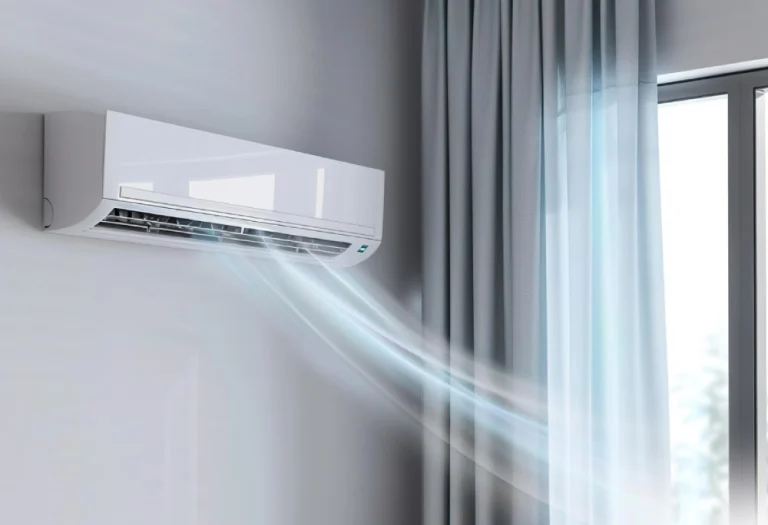
Your installer should demonstrate the different fan speeds and explain how the airflow can be adjusted. If the unit has automatic louvre movement or other airflow functions, these should also be demonstrated.
The position of the airflow matters too. A unit may be technically operational but still need adjustments to make the room more comfortable.
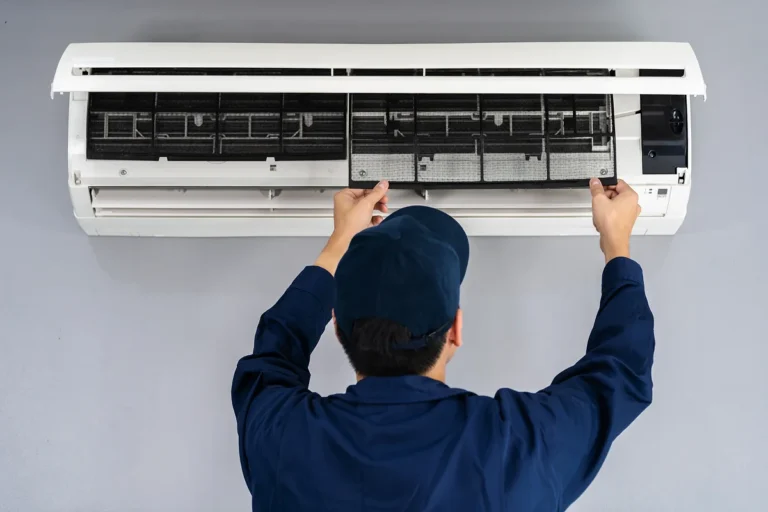
You should also know how to access the filters and understand what basic cleaning is expected during normal use.
What Should Be Checked on the Outdoor Unit?
The outdoor unit is an important part of the split system and should be included in the final handover.
The installer should confirm that it is securely positioned and has suitable space around it for airflow. You should also know where it is located and whether there are any practical considerations about keeping the surrounding area clear.
Listen for anything that seems unusual while the unit is operating. Some operating sounds are completely normal, but persistent rattling, excessive vibration or unexpected noise should be discussed with the installer before they leave.
A professional air con split system installer Oxford homeowners choose should be happy to explain what normal operation sounds like and what might require attention.
Are the Controls Working Properly?
The controller should be demonstrated before the installation is considered complete. You should be able to operate the basic functions without having to rely entirely on the manual.
Ask the installer to demonstrate:
| Control | What You Should Understand |
| Power | How to start and stop the system |
| Mode | How to select cooling, heating or other available functions |
| Temperature | How to adjust the target temperature |
| Fan speed | How to control airflow |
| Air direction | How to adjust the louvres |
| Timer | How to schedule or delay operation |
| Additional functions | What useful features your model provides |
If the system has app-based controls, ask for a basic explanation of how these work too.
What About Condensate Drainage?
Condensate drainage is another important part of the handover. When an air conditioner operates in cooling mode, moisture can be removed from the indoor air. This water needs to be directed safely away from the indoor unit.
Your installer should explain the general drainage arrangement and point out where appropriate.
You do not need to become an expert in the drainage system, but knowing what is normal can help you recognise a potential problem.
For example, unexpected water around the indoor unit should not simply be ignored. Contact the appropriate installer or service provider if you notice a leak or other unusual behaviour.
What Should You Know About Maintenance?
A new split system should not require homeowners to carry out technical repairs. However, there are simple maintenance tasks you should understand.
These commonly include checking and cleaning accessible filters according to the manufacturer’s guidance. Keeping filters reasonably clean can help maintain airflow and system performance.
Professional servicing is different. A qualified technician can carry out more detailed checks and identify issues that are not visible during normal household cleaning.
When discussing split system air conditioning cost Oxford homeowners should therefore consider not just the initial installation, but also the ongoing care required by the system.
Should You Check the Warranty and Installation Paperwork?
Yes. Before the installer leaves, make sure you know what documentation applies to your system.
You should ideally have access to:
- Manufacturer name and model
- Serial number or equipment details
- Warranty information
- Installation documentation
- Recommended maintenance guidance
- Contact details for support
- Any relevant registration information
Warranty terms vary between manufacturers and systems. Ask whether registration is required and whether there are servicing conditions that need to be followed.
Keeping this information in one place can make future support considerably easier.
If you are unsure what paperwork or ongoing maintenance your new system requires, TRS Cooling can help explain the practical points you should know.
What Should You Check Before Making the Final Payment?
The final payment should not come as a surprise. Before the installation begins, the quotation should have made the agreed work and price reasonably clear.
At handover, check whether the completed installation matches what was agreed.
This could include:
- Number of indoor units
- Outdoor unit
- Installation locations
- Electrical work included
- Pipework requirements
- Drainage arrangements
- Additional materials
- Any agreed accessories
- Warranty arrangements
- Total agreed price
If something has changed during installation, ask for an explanation before payment is completed.
The split system air conditioning cost Oxford homeowners are quoted can vary depending on the property, equipment and installation requirements. That makes clear communication particularly important.
What Questions Should You Ask Your Installer?
A short final conversation can confirm that you are ready to use the system.
Ask:
- Is the system operating normally?
- How should I use the main cooling and heating settings?
- How often should I check the filters?
- When is professional servicing recommended?
- What does the warranty cover?
- Who should I contact if the system develops a fault?
- Is there anything I should avoid doing?
- Are there any unusual sounds or behaviours I should watch for?
- Does the system have an app or timer function?
- Is there anything else I need to know before using it?
You should not feel rushed through these questions. A proper handover is an opportunity to make sure the installation has been understood from the homeowner’s perspective.
How Can You Tell If the Handover Has Been Done Properly?
A successful handover should leave you comfortable with three things: operating the system, looking after the accessible parts and knowing where to turn for professional support.
You should not need specialist technical knowledge. The installer should explain the important information in clear, practical language.
When selecting an air con split system installer Oxford homeowners may be comparing, it is therefore worth asking about the handover process before booking. A company that takes time to explain the system can make ownership considerably easier.
A Typical Split System Handover
Imagine a homeowner in an Oxford property having a wall-mounted split system installed in a living room. Once the equipment is operational, the installer demonstrates cooling and heating modes, adjusts the airflow and shows the homeowner how to use the timer.
The installer then points out the accessible filters, explains basic cleaning and confirms where the outdoor unit and isolation point are located. Warranty information and future servicing requirements are also discussed.
The homeowner leaves the handover knowing how to use the system and what to do if something unusual occurs. That is the purpose of a good final check.
If you are arranging a split air conditioning installation in Oxford, contact TRS Cooling to discuss your property, installation requirements and the support available after the system is fitted.