

Which Rooms Benefit Most from Air Con in Oxford Homes?
Which Rooms Benefit Most From Air Conditioning?
Air conditioning is not only useful when a home becomes uncomfortably hot. The right system can make individual rooms more comfortable throughout the year, particularly where heat builds up quickly or where a room has a specific purpose.
In Oxford homes, room layout, orientation, glazing, insulation and how each space is used can all affect the type of air conditioning that makes sense. A bedroom may need quiet overnight cooling, while a home office could benefit from more consistent temperature control during the working day.
The key is to consider how each room is actually used, rather than assuming that every room needs the same level of cooling. A well-planned system can provide comfort where it matters most without unnecessarily conditioning spaces that are rarely occupied.
If you are unsure which rooms would benefit most from cooling, TRS Cooling can assess your requirements and provide practical advice based on your home, room usage and preferred level of control.
Which Rooms Are Usually the Best Candidates for Air Con?
The rooms that benefit most tend to be those where people spend a lot of time, where temperatures become difficult to manage, or where heat gains are particularly noticeable.
Common examples include:
- Bedrooms that become uncomfortable during warm summer nights
- Home offices occupied for several hours each day
- Loft rooms and converted attics that retain heat
- South-facing lounges with large areas of glazing
- Open-plan living spaces with multiple sources of heat
- Rooms used by people who prefer tighter temperature control
Not every room necessarily needs its own indoor unit. Depending on the property and layout, one strategically positioned system may be enough, while other homes may be better suited to multiple independently controlled zones.
Bedrooms: A Strong Case for Individual Temperature Control
Bedrooms are often among the most noticeable beneficiaries of air conditioning because sleeping comfortably can become difficult when a room stays warm late into the evening.
A bedroom can absorb heat during the day through windows, walls and the roof, particularly on upper floors. If the windows are closed to keep outside noise or security concerns under control, there may be limited opportunity for natural ventilation to reduce the temperature.
A properly selected system can cool the room before bedtime and maintain a comfortable environment overnight. Modern systems can also operate quietly, making noise performance an important consideration when selecting equipment and its location.
For many households, bedroom cooling is less about making the room cold and more about maintaining a stable temperature that supports comfortable sleep.
Home Offices Need More Than Just Cooling
A home office can have very different requirements from a bedroom. Computers, monitors, printers and other equipment produce heat, while working at a desk for several hours means that even a modest rise in room temperature can become distracting.
A room that feels acceptable for occasional use may become uncomfortable when occupied all day.
A dedicated system can help maintain a consistent temperature during working hours, while giving the occupant control over when cooling is needed. If the room is only used during the day, there is little reason to condition it continuously when nobody is working there.
This is where zoning can become particularly useful. Different rooms can have different comfort requirements depending on when they are occupied.
Are Loft Rooms Particularly Suitable for Air Conditioning?
Loft rooms and converted attic spaces can be challenging to keep comfortable because they are often directly beneath the roof. During sunny weather, the roof structure can transfer considerable heat into the room.
Roof windows can also contribute to solar heat gain, especially where there is extensive glazing and direct sunlight.
A loft room used as a bedroom, office, studio or occasional living space can therefore be a strong candidate for air conditioning. However, the system needs to be selected according to the room’s size, insulation, glazing and heat gain rather than simply its floor area.
An assessment can also help determine the most practical position for the indoor unit and outdoor equipment.
Living Rooms Can Benefit From Flexible Comfort
Living rooms are usually occupied for longer periods than many other areas of the home, particularly in the evenings and at weekends. Large windows, televisions, lighting and several occupants can all add heat.
For an air con oxford installation, the living room can therefore be an important area to consider when planning whole-home comfort.
An indoor unit positioned correctly can distribute conditioned air throughout the occupied area without creating an uncomfortable draught. In an open-plan property, however, the layout needs careful consideration because walls, doorways and changes in ceiling height can affect airflow.
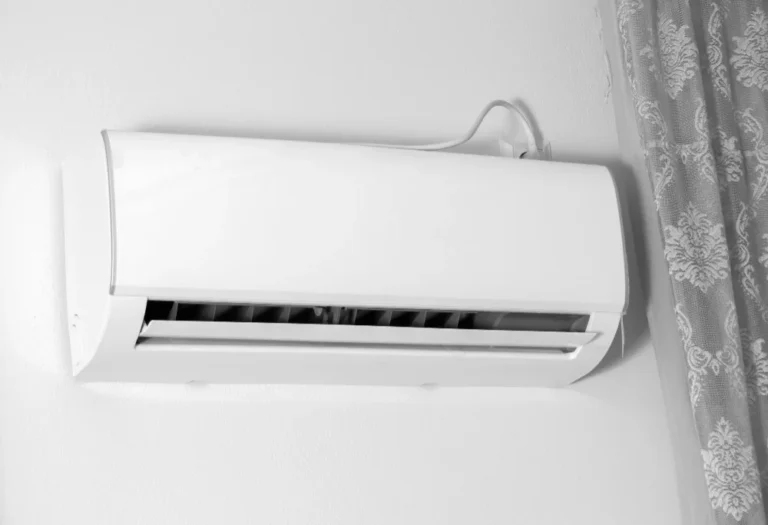
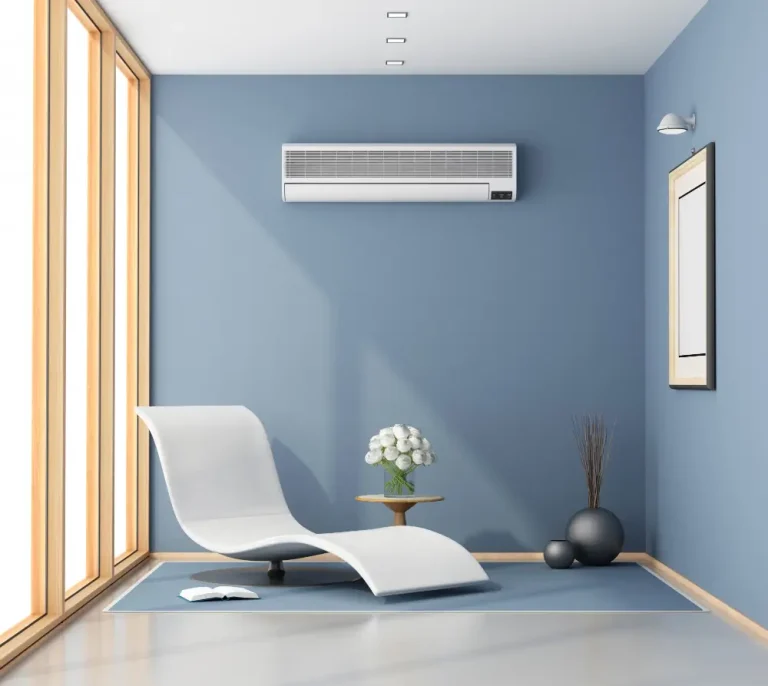
A wall mounted air conditioning unit can be a practical option where there is suitable wall space and the room benefits from a straightforward, dedicated cooling solution.
What About Kitchens and Dining Areas?
Kitchens naturally generate heat through ovens, hobs, kettles and other appliances. However, they can be more complicated areas for air conditioning because cooking vapour, grease and changing heat levels need to be considered.
That does not mean a kitchen cannot benefit from cooling. Instead, the system should be positioned and specified carefully.
For homes with an open-plan kitchen and dining or living area, the overall room configuration becomes particularly important. Treating the space as one zone may be suitable in some properties, while separate control could make more sense where the areas are divided or used differently.
A professional assessment can help establish whether cooling the kitchen itself is worthwhile or whether the main occupied zone should receive priority.
Room-by-Room Suitability at a Glance
| Room | Potential benefit | Main consideration |
| Bedroom | High | Quiet operation and overnight comfort |
| Home office | High | Long occupancy and equipment heat |
| Loft room | High | Roof heat and solar gain |
| Living room | High | Occupancy, glazing and room size |
| Kitchen | Moderate | Cooking heat and system positioning |
| Guest bedroom | Moderate | Frequency of use |
| Utility room | Usually lower | Short occupancy periods |
The table is a starting point rather than a replacement for a proper assessment. Two rooms of identical size can have very different cooling requirements because of their orientation, windows, insulation and how they are occupied.
Does a Wall-Mounted System Suit Every Room?
A wall mounted air conditioning unit is often considered for individual rooms because it can provide dedicated temperature control without requiring extensive ductwork.
It can work particularly well in bedrooms, offices, lounges and other enclosed spaces with suitable wall positions.
However, the wall itself is only one part of the decision. The installer also needs to consider:
- Airflow direction
- Indoor unit position
- Outdoor unit location
- Pipe and cable routes
- Drainage requirements
- Access for maintenance
- Noise considerations
- The room’s heating and cooling demand
Simply choosing a position because it looks convenient can result in poor air distribution or unnecessary installation complications.
Should Every Room Have Its Own Air Conditioner?
Not necessarily. The best arrangement depends on the property’s layout and how the rooms are used.
For example, a homeowner who mainly wants to cool one upstairs bedroom may have little reason to install a system downstairs. Equally, a family that regularly uses several bedrooms and a home office may benefit from a multi-room arrangement.
An air con oxford installation should therefore start with room use rather than equipment selection. The question is not simply “How many rooms are there?” but “Which rooms need independent temperature control, and when?”
This approach can help avoid paying for capacity that provides little practical benefit.
If your room usage has changed because of a loft conversion, home office, extension or renovation, speak to the TRS Cooling team about the spaces that matter most. A room-by-room assessment can help identify a sensible approach before installation work begins.
A Typical Oxford Home Scenario
Consider a two-storey Oxford home with a converted loft used as an office, a south-facing bedroom and a living room with large windows. The homeowner may initially assume that the entire property needs cooling.
A closer assessment could reveal that the loft and bedroom experience the greatest heat gain, while the living room remains reasonably comfortable because of its position and ventilation. In this situation, prioritising the rooms with the greatest need could provide a more practical solution than treating every room equally.
If the homeowner later changes how the rooms are used, the system design can also be reviewed. This is one reason room use should be part of the planning conversation from the beginning.
How Does Room Use Affect System Selection?
Room purpose affects more than simply whether cooling is required. It can influence operating hours, desired temperature, noise expectations and the amount of independent control required.
For example:
Bedroom: Quiet operation and stable overnight temperatures may be the priority.
Home office: Fast cooling and daytime control may be more important.
Living room: Even airflow across a larger occupied space can be the main concern.
Loft: Capacity may need to account for substantial heat entering through the roof and windows.
These differences are why a one-size-fits-all approach is rarely ideal.
Is Heating Worth Considering at the Same Time?
Many modern air conditioning systems can provide both cooling and heating. This can make them useful beyond the summer months, particularly in rooms that are difficult to keep comfortable during changing weather.
For example, a home office that becomes cold during spring and autumn mornings may benefit from the same system providing supplementary warmth. A loft room can also become noticeably cooler than the rest of the property during colder periods.
Whether this approach is suitable depends on the property, existing heating system and how the rooms are used. It is worth discussing both heating and cooling requirements before selecting equipment.
If you are considering air conditioning for one or several rooms, TRS Cooling can help you compare the practical options for your property. Request a bespoke quote based on the rooms you actually want to keep comfortable.