
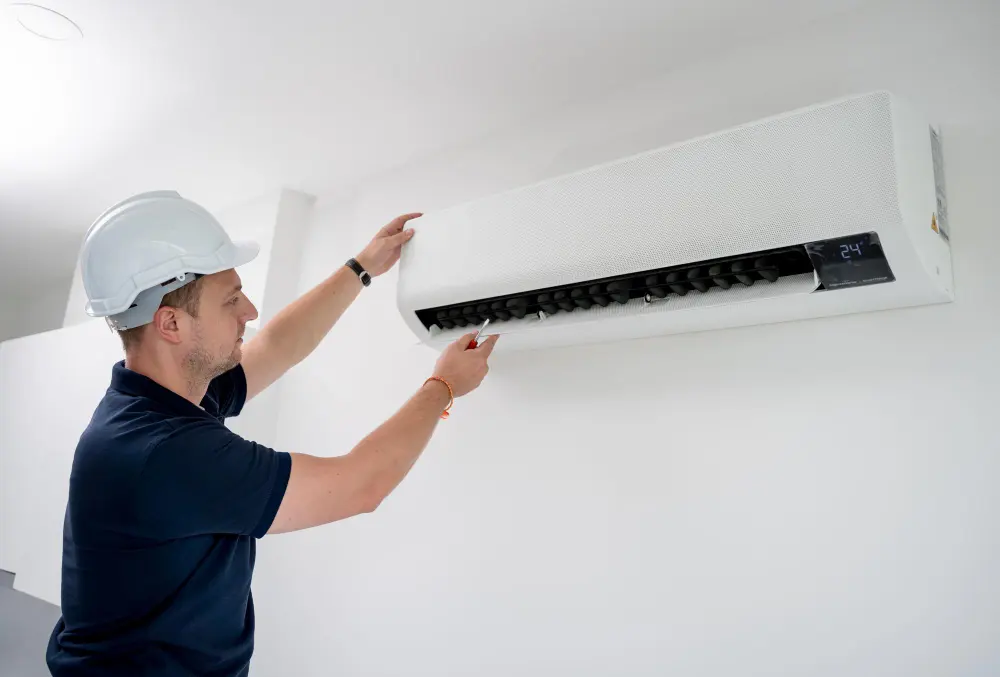
How Oxford Air Conditioning Fitters Should Explain Your New System
Having a new air conditioning system installed is a significant improvement to the comfort of a home, but knowing how to use it properly is just as important as having it fitted correctly. A professional handover should make the system easy to understand rather than leaving you to work out the controls yourself.
Good air conditioning fitters Oxford homeowners choose should explain the important features, demonstrate normal operation and make clear what needs professional attention. This does not need to be complicated. In most cases, a few practical explanations can give a homeowner everything they need to operate the system confidently.
If you are considering a new air conditioner Oxford homeowners can use for both cooling and heating, speak to TRS Cooling for practical advice on selecting and operating a suitable system.
What Should Your Installer Explain About the New System?
The handover should begin with the basics. You should know what equipment has been installed, where the main components are located and what each part does.
For a typical split system, this means explaining the indoor unit, outdoor condenser and controller. If the installation includes more than one indoor unit, the installer should also explain how the individual rooms or zones are controlled.
Your installer should confirm:
- The manufacturer and model of the system
- Whether it provides cooling, heating or both
- Which controller operates the unit
- Where the outdoor unit is positioned
- Where accessible filters are located
- How condensate drainage works
- Where the electrical isolation point is located
- What basic maintenance is expected
This information gives you a useful overview before moving on to the controls.
How Should the Main Controls Be Demonstrated?
A controller can look straightforward while still having several functions that are not immediately obvious. A proper demonstration should cover the controls you are most likely to use.
The installer should normally show you how to:
- Turn the system on and off.
- Select cooling or heating.
- Adjust the target temperature.
- Change the fan speed.
- Adjust airflow direction where available.
- Set a timer.
- Use automatic operation if the system has this function.
- Understand any warning or indicator symbols.
If the system has an app or Wi-Fi control, the setup process should also be explained. You should not have to guess whether a particular symbol means cooling, heating, fan-only operation or another setting.
The aim is not to memorise every function. It is to understand the controls you will actually use.
Which Modes Should Homeowners Understand?
Modern systems can offer more than simple cooling. Depending on the model, you may have several operating modes.
| Mode | Typical Purpose |
| Cool | Reduces room temperature |
| Heat | Provides heating on compatible systems |
| Dry | Helps remove moisture from the air |
| Fan | Circulates air without active cooling or heating |
| Auto | Allows the system to manage operation according to settings |
| Sleep | Adjusts operation for quieter or overnight use |
The best setting depends on the conditions and the system itself. An installer should explain the practical differences rather than simply listing the names on the remote.
For example, homeowners sometimes expect Dry mode to work like a dedicated dehumidifier. It can help reduce moisture under suitable conditions, but its purpose and performance depend on the system and environment.
Should Your Installer Explain Temperature Settings?
Yes. Setting the temperature correctly is important for both comfort and sensible energy use.
Your installer should explain that the temperature displayed on the controller is a target temperature, not necessarily the temperature of the air coming directly from the indoor unit.
For cooling, setting an extremely low target is usually unnecessary. If the room is warm, choosing a reasonable target allows the system to work towards a comfortable indoor temperature without expecting an excessive temperature difference.
Similarly, when heating is available, the system should be given enough time to bring the room towards the selected temperature.
A good air conditioning fitters Oxford team should explain this in straightforward terms so that the system can be used efficiently from the beginning.
What Should You Know About Airflow?
Airflow direction can make a noticeable difference to comfort. Most wall-mounted indoor units allow some adjustment of the louvres, while more advanced systems may offer automatic airflow control.
Your installer should demonstrate how to adjust the direction and explain any sensible limitations. The objective is generally to distribute conditioned air around the room rather than directing a strong stream directly at people for long periods.
If you have a larger open-plan room, furniture placement and the position of the indoor unit can also affect how air circulates.
How Should Filter Cleaning Be Explained?
Basic filter care should form part of the handover. Filters are designed to catch dust and other airborne particles, so they need regular attention.
The installer should show you:
- Where the filters are located
- How they are accessed
- How they should be cleaned
- How often they should normally be checked
- When professional maintenance is required
Not every component should be removed by a homeowner. Electrical work, refrigerant-related work and internal repairs should be handled by appropriately qualified professionals.
Regular filter care is one of the simplest things a homeowner can do to help maintain good airflow and system performance.
If you are unsure how to look after your existing system, contact TRS Cooling for guidance on suitable servicing and maintenance.
What Warranty Information Should Be Provided?
A handover should also cover the paperwork associated with the installation. Warranty terms can vary between manufacturers and systems, so homeowners should know exactly what applies to their equipment.
You should receive or be directed to information covering:
- Manufacturer details
- Model and serial numbers
- Warranty period
- Warranty registration requirements
- Installation records where applicable
- Recommended servicing
- Contact details for support
Do not assume that every part of an installation automatically has identical warranty coverage. Ask if anything is unclear.
This becomes particularly useful if you need assistance several months or years after installation.
What If You Have More Than One Indoor Unit?
A multi-split system needs a slightly more detailed handover because each indoor unit may have its own controller or operating requirements.
Your installer should show you how the units interact and explain whether there are any restrictions when different rooms are being heated or cooled at the same time.
For example, some multi-split systems have limitations around operating different modes simultaneously. Understanding these characteristics can prevent confusion later.
For a new air conditioner Oxford homeowners have installed across several rooms, this explanation is especially useful because each space may have different comfort requirements.
What Questions Should You Ask Your Installer?
Even a thorough handover can leave you with questions. Before the installer leaves, it is worth checking that you understand the everyday operation of the system.
Ask:
- Which mode should I normally use?
- How do I change the temperature?
- How do I set a timer?
- How do I adjust the airflow?
- How often should I check the filters?
- What maintenance needs to be carried out professionally?
- What does the warranty cover?
- Who should I contact if there is a fault?
- Is there an app or remote control option?
- Is there anything I should avoid doing?
These questions take only a few minutes but can prevent unnecessary confusion later.
Why Does the Handover Matter After Installation?
The final explanation is an important part of a professional installation. A system that has been fitted correctly still needs to be operated correctly if it is to provide comfortable and reliable service.
When comparing air conditioning fitters Oxford homeowners may find online, it is therefore sensible to ask what happens after the installation itself. Consider whether the company explains the controls, provides relevant documentation and remains available for servicing or support.
The quality of the handover can tell you quite a lot about how seriously an installer approaches the complete customer experience.
If you want clear explanations alongside professional installation, the TRS Cooling team can discuss your requirements and help you understand how your system should be used and maintained.