
Ducted Air Con Handover: Zones, Filters and Access Explained
A ducted air conditioning system is designed to distribute conditioned air through a network of concealed ductwork, making the final handover slightly different from a standard wall-mounted system. Much of the equipment may be hidden above ceilings, behind access panels or within service areas, so understanding how everything works is particularly important.
A professional ducted air con installer Oxford homeowners choose should explain more than the controller. The handover should cover the zones, filters, access points, airflow, maintenance requirements and warranty information so you know what to expect once the installation team has left.
A clear explanation at this stage can also make future servicing easier, particularly when parts of the system are concealed.
If you are considering ducted air conditioning for your Oxford property, contact TRS Cooling for practical guidance on system design, installation and ongoing support.
What Should Happen During a Ducted Air Con Handover?
The handover should give you a practical understanding of the complete system. You do not need to understand the technical details of every component, but you should know how the system is controlled and where routine maintenance takes place.
Your installer should normally explain:
- Where the main indoor equipment is located
- Where the outdoor unit is positioned
- Which rooms are connected to the system
- How individual zones are controlled
- Where filters are located
- Which access panels may be needed for servicing
- How to use the controller
- What maintenance is required
- What the warranty covers
- Who to contact for future support
Because much of a ducted system is concealed, asking questions during the handover is especially useful.
How Do Ducted Air Con Zones Work?
One of the main advantages of ducted air conditioning is the ability to distribute conditioned air to several rooms. Depending on the system design, individual areas may be controlled as separate zones.
For example, a home could have separate controls for:
- Living areas
- Bedrooms
- Home office
- Kitchen or dining space
- Other frequently used rooms
The exact arrangement depends on the installation. Your installer should explain which areas are included and how each zone is controlled.
If certain rooms can be switched off or adjusted independently, the handover should demonstrate how to do this. This helps homeowners avoid conditioning rooms that are not being used.
What Should You Know About the Main Controller?
The controller is the main point of interaction between you and the concealed system. It should therefore be explained clearly.
Your installer should show you how to:
- Start and stop the system.
- Select heating or cooling where available.
- Adjust the target temperature.
- Change fan settings.
- Select individual zones.
- Set timers or schedules.
- Understand important indicators or warning messages.
Some modern systems also provide app-based controls. If your system includes this feature, ask the installer to demonstrate the basic functions before the handover is completed.
A good ducted air con installer Oxford homeowners work with should make the controls understandable without relying on technical jargon.
Where Are the Filters Located?
Filters are particularly important in a ducted system because they form part of the air circulation path. The location varies depending on the system design.
The installer should show you exactly where the accessible filters are and explain how they are removed for cleaning.
You should understand:
- Which filters are homeowner-accessible
- How they should be cleaned
- How frequently they should be checked
- When replacement may be required
- Which maintenance tasks require a professional
Do not assume that every concealed panel is intended for homeowner access. If you are unsure, ask before removing anything.
Regular filter care can help maintain airflow and reduce the build-up of dust within accessible parts of the system.
Why Are Access Points Important?
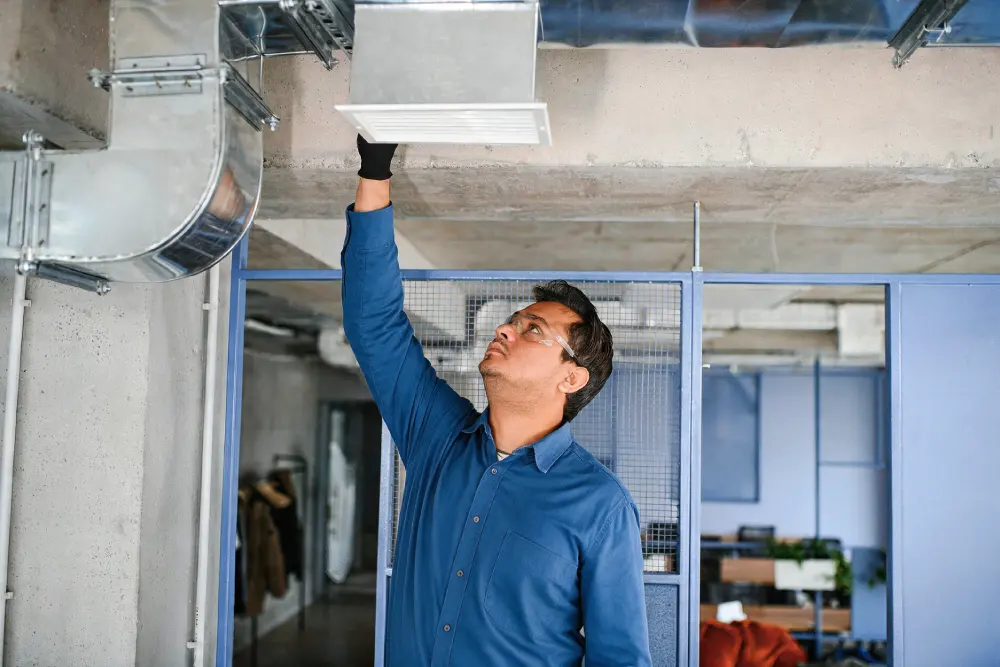
A ducted system may contain components above a ceiling or inside a cupboard, loft space or service area. Engineers need appropriate access to inspect and maintain these components.
During the handover, you should be shown where relevant access panels are located and what they provide access to.
This can become particularly important years after installation. If a service engineer needs to reach a concealed component, knowing the intended access route can save time and avoid unnecessary disruption.
If access is limited or unusual, ask your installer to explain how future servicing will be carried out.
What About Airflow and Individual Rooms?
A ducted system should distribute air through designated outlets or grilles. During the handover, the installer should demonstrate that the system is operating and explain how airflow can be adjusted where the design allows it.
If one room feels noticeably warmer or cooler than another, mention it rather than assuming that this is unavoidable.
Room size, insulation, sunlight, windows and how the property is used can all influence comfort. The system should have been designed around the property’s requirements, but the final handover provides an opportunity to identify anything that needs attention.
It is also worth checking that furniture or other objects are not obstructing accessible grilles.
What Should Be Explained About Maintenance?
Ducted air conditioning generally requires a distinction between routine homeowner care and professional servicing.
Homeowners may be able to clean accessible filters, while professional maintenance can involve more detailed inspection of the indoor and outdoor equipment, electrical components, drainage and other system elements.
Your installer should explain the recommended servicing approach and any maintenance requirements associated with the equipment warranty.
This is worth discussing when considering ducted air conditioning installation cost, because the initial project price is only one part of the long-term ownership picture.
If you want to understand what ongoing servicing your proposed ducted system may require, speak to TRS Cooling before committing to an installation.
What Warranty Information Should You Keep?
The handover should include clear information about the equipment and applicable warranty.
Keep records showing:
- Manufacturer
- Model numbers
- Serial numbers
- Installation details
- Warranty terms
- Registration information where required
- Recommended servicing
- Installer contact details
Ask whether the warranty has any specific maintenance conditions. Different manufacturers and products can have different requirements, so relying on general assumptions is not advisable.
Keeping these records together can make future repairs or warranty enquiries much simpler.
What Should You Know Before Final Sign-Off?
Before the installer leaves, check that the completed system matches the agreed installation.
This is particularly relevant where the project includes several rooms or zones. You should know which areas are connected, what controls each zone and whether any agreed features or accessories have been included.
If you have questions about the ducted air conditioning installation cost, ask for clarification before final payment. The quotation should make clear what was included and whether any changes were made during the work.
A clear final review can prevent misunderstandings later.
A Typical Ducted System Handover
Consider a larger Oxford home with ducted air conditioning serving the main living areas and bedrooms. Most of the equipment is concealed, so the homeowner initially sees little more than ceiling grilles and a controller.
During handover, the installer explains which rooms belong to each zone, demonstrates how to adjust the temperature and shows where the accessible filters are located. The homeowner is also shown the relevant service access points and given information about warranty and maintenance.
This explanation makes a concealed system much easier to manage. The homeowner knows what can be handled routinely and when professional assistance is needed.
Why Does the Handover Matter for a Concealed System?
A ducted system can be more difficult for a homeowner to understand simply because much of it is hidden. That makes a thorough handover particularly valuable.
When comparing a ducted air con installer Oxford homeowners may be considering, ask what will be covered after installation. The quality of the handover can reveal whether the installer has thought about long-term ownership as well as installation day.
A good explanation should leave you confident about the zones, controls, filters, access points and support arrangements.
If you are planning ducted air conditioning in Oxford, TRS Cooling can discuss your property and explain what to expect from installation through to handover and future servicing.