
Wall Mounted Unit Paperwork, Warranty and Manufacturer Details
A wall mounted air conditioning system can be relatively straightforward to operate, but the paperwork that comes with it deserves just as much attention as the equipment itself. Once the installation is complete, homeowners should know exactly what has been installed, what warranty applies and where to find important manufacturer information.
This becomes particularly useful if the system needs servicing, develops a fault or requires a warranty claim several years after installation. Keeping the right records from the start can make those situations much easier to manage.
If you are comparing a wall mounted air conditioning unit for your Oxford home, it is therefore worth asking what documentation and after-install support will be provided alongside the equipment.
If you are considering wall mounted air conditioning and want to understand the equipment, paperwork and support involved, contact TRS Cooling for tailored guidance.
What Paperwork Should You Receive After Installation?
A completed installation should leave you with enough information to identify the equipment and understand the relevant warranty and maintenance arrangements.
The exact documents vary between manufacturers and installers, but you should expect access to information such as:
- Manufacturer name
- Model number
- Serial number
- Installation date
- Warranty terms
- Warranty registration information where applicable
- Operating instructions
- Maintenance guidance
- Installer details
- Invoice or installation record
- Contact information for future support
Some information may be supplied digitally rather than as printed documents. The important point is that you can access it when needed.
Why Are Manufacturer and Model Details Important?
Knowing the exact manufacturer and model of your equipment can save time when you need advice or replacement parts.
Air conditioning systems can look similar while having very different specifications, controls and components. A model number allows a technician or manufacturer to identify the equipment accurately.
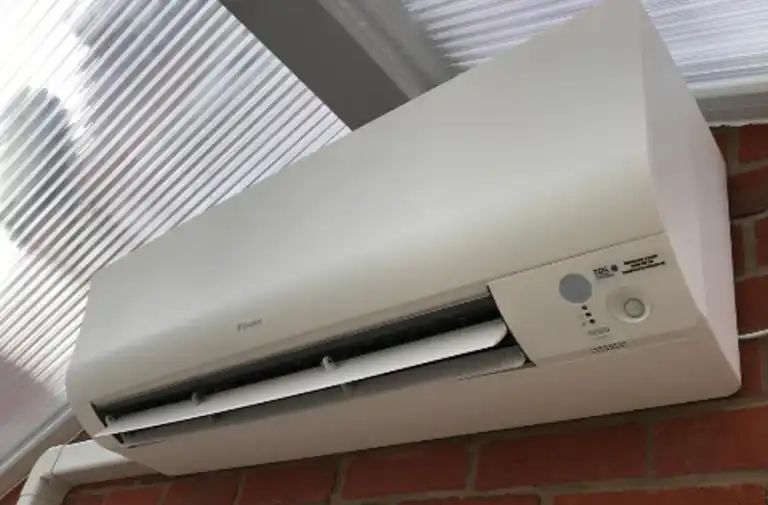
For a wall mounted air conditioning unit, these details can usually be found on a label attached to the equipment or within the installation documentation.
It is worth taking a clear photograph of the equipment label and storing it with your paperwork. This gives you an additional record if the physical label becomes difficult to read later.
What Does an Air Conditioning Warranty Usually Cover?
Warranty terms vary depending on the manufacturer, product and installation arrangements. There is no single warranty structure that applies to every system.
Depending on the equipment, the warranty may cover certain manufacturing defects or component failures for a specified period. Installation workmanship may have separate terms.
You should therefore check:
- How long the warranty lasts
- Which components are covered
- Whether labour is included
- Whether installation workmanship has separate coverage
- Whether registration is required
- Whether servicing conditions apply
- How a claim should be made
Do not rely solely on a verbal explanation. Keep the written warranty terms available for reference.
Does Warranty Registration Matter?
Some manufacturers require or recommend registration after installation, while others may handle warranty information differently.
If registration is required, find out who is responsible for completing it and whether you need to provide any information yourself.
Keep confirmation of registration if you receive it.
This can become important years later if you need to establish when the warranty started or prove that the relevant requirements were completed.
What About Servicing Requirements?
Warranty and servicing can sometimes be connected, so it is important to understand the manufacturer’s requirements.
Your installer should explain any recommended maintenance schedule and identify which tasks can be carried out by the homeowner.
Basic filter cleaning may be suitable for homeowners, depending on the equipment. More technical work should be handled by an appropriately qualified professional.
If the manufacturer recommends regular professional servicing, keep records of completed maintenance. These records can be useful for your own reference and may also help demonstrate that the system has been properly maintained.
Should You Keep the Original Invoice?
Yes. The invoice is an important record of the installation.
Keep it alongside your warranty information and equipment details. It can help establish when the system was installed and what equipment or services were supplied.
It may also be useful if you later sell the property. Being able to provide information about an installed air conditioning system can give a future homeowner a clearer picture of the equipment and its history.
What Should Be Clear About the Installation Price?
The paperwork should make the financial side of the project clear as well.
The wall mounted aircon price can vary depending on the equipment specification, installation complexity, electrical requirements, pipework and other work required at the property.
Rather than focusing only on the headline figure, check what the quoted price includes.
| Information | Why It Matters |
| Equipment model | Confirms exactly what was supplied |
| Installation labour | Shows what fitting work is included |
| Pipework | Clarifies the connection requirements |
| Electrical work | Identifies included electrical installation |
| Drainage | Confirms how condensate is managed |
| Controls | Confirms what control equipment is supplied |
| Warranty | Explains the available protection |
| Commissioning | Confirms the system is tested |
| Handover | Shows that operating guidance is included |
A clear quotation makes it easier to understand the final invoice.
Why Can Wall Mounted Aircon Prices Differ?
Two homeowners can receive different prices for what appears to be a similar installation.
The difference may come from:
- Different equipment brands
- Different cooling or heating capacities
- More advanced controls
- Longer pipework
- More complicated installation routes
- Electrical requirements
- Mounting arrangements
- Property access
- Additional finishing work
- Warranty or maintenance packages
When comparing wall mounted aircon price options, it is therefore sensible to compare the specification and scope of work rather than simply choosing the lowest figure.
If you have questions about the cost or specification of a wall mounted system, contact TRS Cooling to discuss what would be suitable for your property.
What Should You Know About the Manufacturer?
The manufacturer is more than a name on the front of the indoor unit. It determines the equipment specification, controls, warranty structure and availability of technical information.
Before installation, ask which manufacturer and model are being proposed. After installation, make sure the paperwork reflects what was actually supplied.
It is also useful to keep the manufacturer’s operating manual. Even if you mainly use the remote control, the manual can explain functions, indicator lights and maintenance requirements that may not have been covered during the handover.
What If You Need a Warranty Repair?
If the system develops a fault while under warranty, avoid attempting technical repairs yourself.
Start by checking the documentation to establish the correct support route. Depending on the warranty arrangement, the installer or manufacturer may need to assess the problem.
You may be asked for:
- Model number
- Serial number
- Installation date
- Proof of purchase
- Warranty registration details
- Description of the fault
Having all this information stored together can make the process considerably quicker.
What Records Should You Keep Long Term?
Create a simple folder for your air conditioning documentation. It can be physical, digital or both.
Ideally, keep:
- Original quotation
- Final invoice
- Equipment model and serial numbers
- Warranty information
- Registration confirmation
- Operating manual
- Installation records
- Servicing records
- Details of the installer
- Records of significant repairs
This information can remain useful throughout the life of the system.
For a wall mounted air conditioning unit, good record keeping is a simple way to make future ownership less complicated.
What Should You Ask Your Installer Before They Leave?
Before the installation team leaves, ask:
- What is the exact model of my system?
- Where can I find the serial number?
- How long is the warranty?
- Does the warranty need registration?
- What maintenance is recommended?
- How often should the filters be cleaned?
- When should professional servicing take place?
- Who handles warranty claims?
- Who should I contact for future servicing?
- Have I received all relevant paperwork?
These questions are straightforward, but they can prevent uncertainty later.
If you are planning a wall mounted installation in Oxford and want clear information about equipment, costs, warranties and aftercare, speak to the TRS Cooling team for expert guidance.