
Emergency Air Con Cost: Who to Contact If Something Goes Wrong?
An air conditioning problem is inconvenient at any time, but it can become particularly frustrating when the system stops working during very warm weather or develops an unexpected fault outside normal working hours.
Knowing who to contact and what information to provide can help you deal with the situation calmly. It can also help you avoid paying for unnecessary emergency work when the issue may have a straightforward explanation.
Understanding the likely emergency air con cost also means knowing what can influence the final charge, from the type of fault and time of the callout to replacement parts and the complexity of the repair.
If your air conditioning system needs professional attention, contact TRS Cooling to discuss the fault and find out what support may be appropriate for your system.
What Counts as an Air Conditioning Emergency?
Not every air conditioning problem requires an emergency callout.
A system that is not cooling effectively may need investigation, but it may not represent an immediate emergency. On the other hand, unusual electrical smells, water escaping where it should not, exposed electrical components or other potentially unsafe conditions should be treated more seriously.
Possible reasons to seek prompt professional advice include:
- Burning or unusual electrical smells
- Water leaking from the system
- Electrical problems
- Severe or unusual noises
- The system repeatedly tripping electrical protection
- A complete loss of operation during critical conditions
- Visible damage to equipment
If there is a suspected electrical safety issue, switch the system off if it is safe to do so and seek professional assistance.
Do not remove covers or attempt electrical repairs yourself.
Who Should You Contact When Air Con Stops Working?
The first contact should normally be the company responsible for installing or servicing the system, particularly if the equipment is still under warranty.
An installer familiar with the system may already have information about the equipment model, installation arrangement and previous service history.
If the original installer is unavailable, you can contact a suitable air conditioning service company that works with the type of system installed.
Before calling, have the following information available:
- Manufacturer
- Model number
- Approximate installation date
- Description of the fault
- Any error code shown
- Whether the system has stopped completely
- Any unusual noise, smell or leakage
- Recent servicing information
This can help the engineer understand the situation before attending.
How Much Can an Emergency Air Con Callout Cost?
There is no single fixed price for emergency air conditioning repairs. The emergency air con cost can depend on several factors.
These may include:
| Cost Factor | Why It Can Affect the Price |
| Time of callout | Out-of-hours work may have different charges |
| Fault type | Some faults take longer to diagnose |
| Parts required | Replacement components add to the cost |
| System type | Different systems have different components |
| Accessibility | Difficult equipment access can increase labour |
| Travel | Distance may affect some callout arrangements |
| Urgency | Emergency response may carry an additional charge |
| Follow-up work | A second visit may be needed for parts or repairs |
The best way to establish the likely cost is to describe the problem accurately and ask what the callout arrangement includes.
Does an Emergency Callout Always Mean an Expensive Repair?
No.
The callout itself and the eventual repair are separate considerations. An engineer may identify a relatively simple issue during the initial visit.
For example, a system may have a control problem, an accessible filter issue or another straightforward fault that does not require major component replacement.
However, you should not assume that a simple-looking problem can safely be fixed without professional assessment.
If the system shows signs of electrical damage, refrigerant-related problems or component failure, specialist attention may be required.
Can Warranty Reduce the Cost?
Potentially, depending on the equipment and warranty terms.
If your system is still within its applicable warranty period, check the documentation before arranging independent repair work.
The warranty may have specific requirements about who assesses or repairs the equipment. Some arrangements may distinguish between equipment defects and installation workmanship.
Keep your invoice, model number, serial number and warranty information available.
What If the Problem Happens Outside Normal Hours?
Some companies offer emergency or out-of-hours support, while others operate only during standard working periods.
Do not assume that every installer provides a 24-hour emergency service.
Before you need urgent help, ask your installer:
- What are your normal opening hours?
- Do you offer emergency callouts?
- Is out-of-hours support available?
- How is the emergency charge calculated?
- Do existing servicing customers receive priority?
- What should I do if the office is closed?
Knowing these details in advance can save time when the system develops a problem.
If you are considering an air conditioning system for your Oxford property, ask TRS Cooling about servicing and support arrangements as part of the installation discussion.
What Should You Check Before Calling an Engineer?
If the system has stopped working but there are no obvious safety concerns, a few basic checks may be appropriate.
Follow the manufacturer’s instructions and check:
- Whether the system has power.
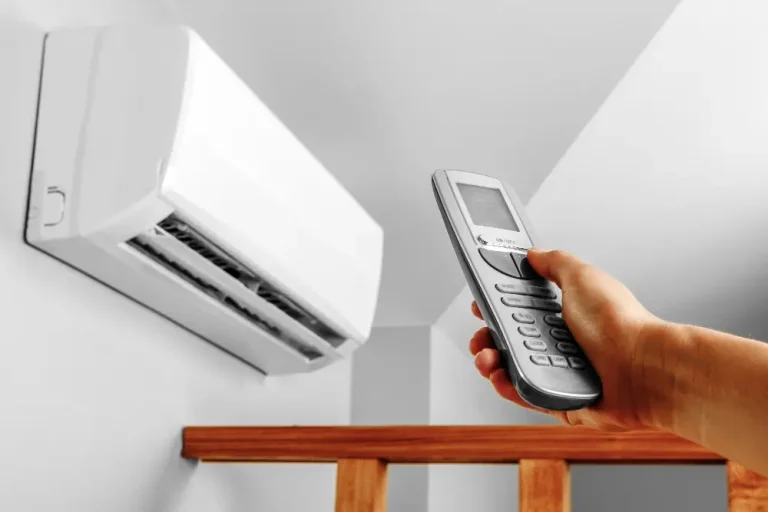
- Whether the remote control has working batteries.
- Whether the correct operating mode has been selected.
- Whether a timer or schedule is active.
- Whether any warning code is displayed.
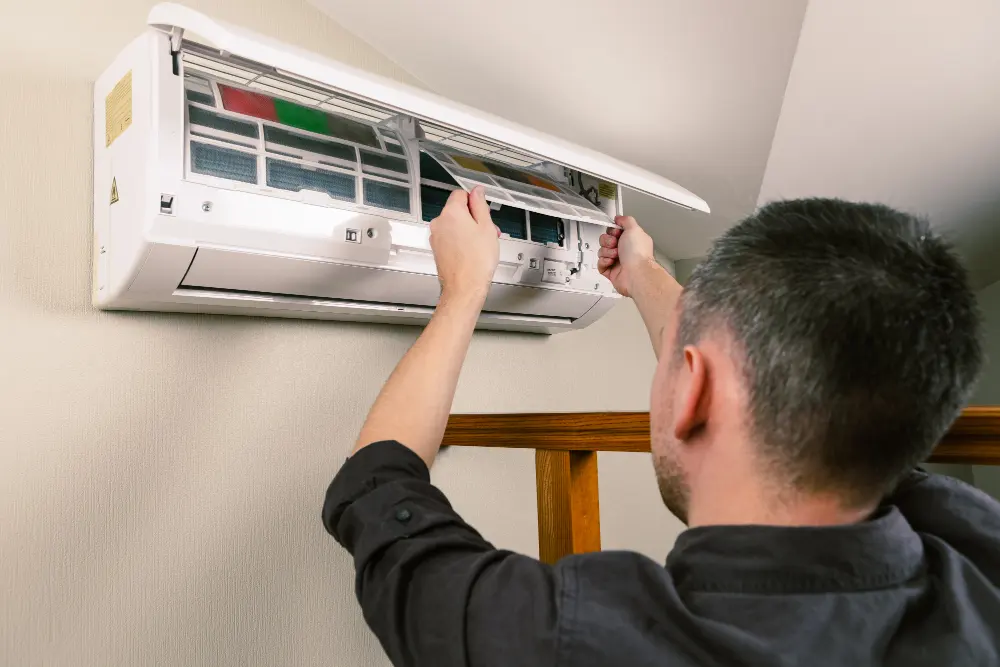
- Whether accessible filters need attention.
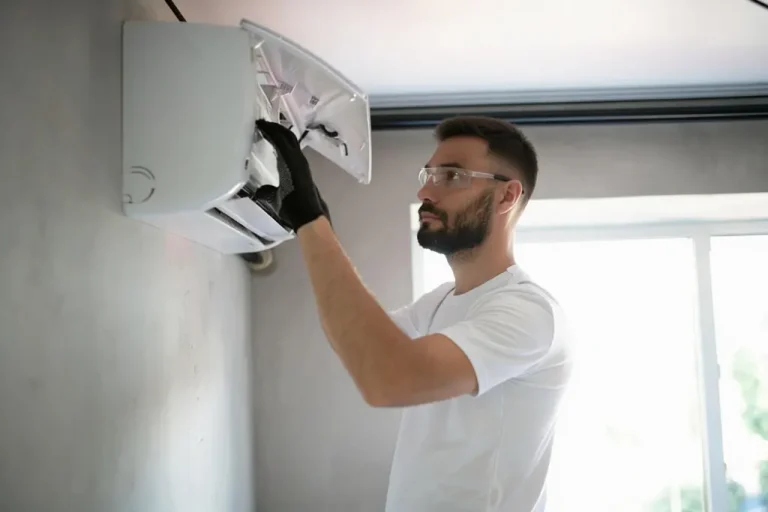
Do not remove covers, interfere with electrical components or attempt refrigerant-related work.
If the problem is not resolved by straightforward checks, professional assistance is the safer option.
Could Poor Maintenance Increase the Risk of Problems?
Maintenance cannot prevent every fault, but it can help keep an air conditioning system operating correctly.
Homeowners should follow manufacturer guidance for routine care, including cleaning accessible filters where appropriate.
Professional servicing can also identify developing issues and check relevant parts of the system.
This is one reason it is useful to consider support arrangements when comparing the price of heating and cooling installation. The installation itself is only one part of owning a system.
What Should an Emergency Repair Quote Include?
Before approving significant repair work, ask for an explanation of what is required and what the quoted amount covers.
Where practical, the information should include:
- Diagnosis
- Labour
- Replacement parts
- Additional materials
- Callout charge
- Any out-of-hours surcharge
- VAT where applicable
- Expected completion time
- Any follow-up visit required
If the engineer cannot provide an exact repair price until a part has been diagnosed or sourced, ask for an explanation of how the final cost will be calculated.
Clear communication is particularly valuable when dealing with an unexpected breakdown.
Can the Original Installation Affect Future Repair Costs?
Yes. The way a system was installed can influence how straightforward future servicing and repairs are.
Equipment that is accessible for maintenance can generally be easier for an engineer to inspect. Poorly planned access, complicated pipework routes or difficult equipment positioning may make future work more involved.
This is worth considering when looking at the price of heating and cooling installation. A lower initial price may not tell you everything about the quality or practicality of the completed installation.
A Typical Oxford Emergency Callout
Imagine an Oxford homeowner returns home to find that their air conditioning system is no longer operating. There is no visible damage, but the controller displays a warning message.
Rather than opening the unit or attempting to reset electrical components, the homeowner contacts the installer and provides the model number, error code and recent service information.
The engineer is able to assess the system and identify the likely cause. Because the homeowner already understands the company’s support process, the situation is dealt with more efficiently and without unnecessary DIY intervention.
This example highlights why keeping installation records and knowing who to contact can be valuable.
How Can You Prepare for Future Air Con Problems?
A small amount of preparation can make an unexpected fault easier to manage.
Keep these details together:
- Installer contact details
- Manufacturer
- Model and serial number
- Installation date
- Warranty documents
- Service records
- Previous repair information
- Remote control instructions
It is also useful to know whether your installer provides emergency assistance and what its normal response arrangements are.
You do not need to expect a breakdown. You simply need to know what to do if one occurs.
If you want a clear point of contact for air conditioning installation, servicing and future support in Oxford, speak to TRS Cooling about your requirements.