
Split Systems for Single-Room Comfort: What Oxford Homeowners Should Know
What Is a Split System Air Conditioner?
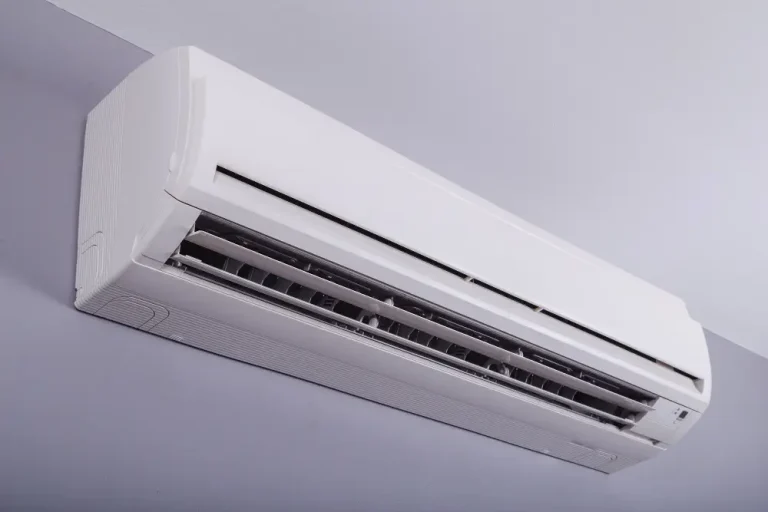
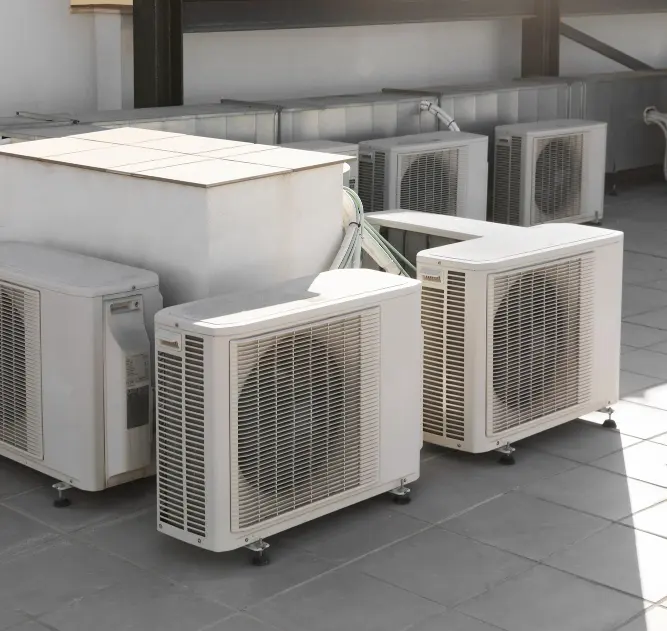
A split system is one of the most common ways to provide dedicated heating and cooling for a single room. It normally consists of an indoor unit and an outdoor unit connected by pipework and electrical connections.
The indoor component distributes conditioned air into the room, while the outdoor unit releases or absorbs heat depending on whether the system is cooling or heating.
For homeowners who want better temperature control in one particular space, a split system can be a practical alternative to installing a larger multi-room arrangement.
The important point is that the system should be selected around the room’s actual requirements. Size, glazing, insulation, orientation, occupancy and intended use all influence how much heating or cooling capacity is needed.
Why Choose a Split System for One Room?
A single-room installation can make sense when the rest of the property is already comfortable but one particular space regularly becomes too hot or too cold.
Common examples include:
- A bedroom that becomes uncomfortable overnight
- A home office that overheats during working hours
- A converted loft that retains heat
- A garden room used throughout the year
- A living room with extensive glazing
- A room used by someone who prefers a different temperature
Instead of conditioning the entire property, the homeowner can focus investment on the space where comfort is most important.
This can also provide more direct control. The system can be operated when the room is occupied rather than running throughout the house.
If you are considering a single-room installation, TRS Cooling can assess the space and explain whether a split system is appropriate for the property’s layout and intended use.
How Does a Single-Room Split System Work?
The indoor unit takes air from the room, conditions it and returns it at the required temperature. During cooling mode, heat is transferred from inside the property to the outdoor unit.
When the system is designed to provide heating as well, the refrigeration cycle can operate in reverse, allowing the unit to transfer heat indoors.
The two units are connected through insulated refrigerant pipework, with electrical and drainage arrangements also needing to be considered.
Although the principle is straightforward, installation quality matters. The position of both units can affect performance, appearance, access and maintenance.
Where Should the Indoor Unit Be Installed?
The best location depends on the shape and use of the room.
Installers generally look for a position that allows air to circulate effectively without directing a strong airflow directly at people for prolonged periods.
Other factors include:
- Available wall space
- Ceiling height
- Furniture placement
- Window positions
- Distance from doors
- Access for servicing
- Pipework routes
- Drainage requirements
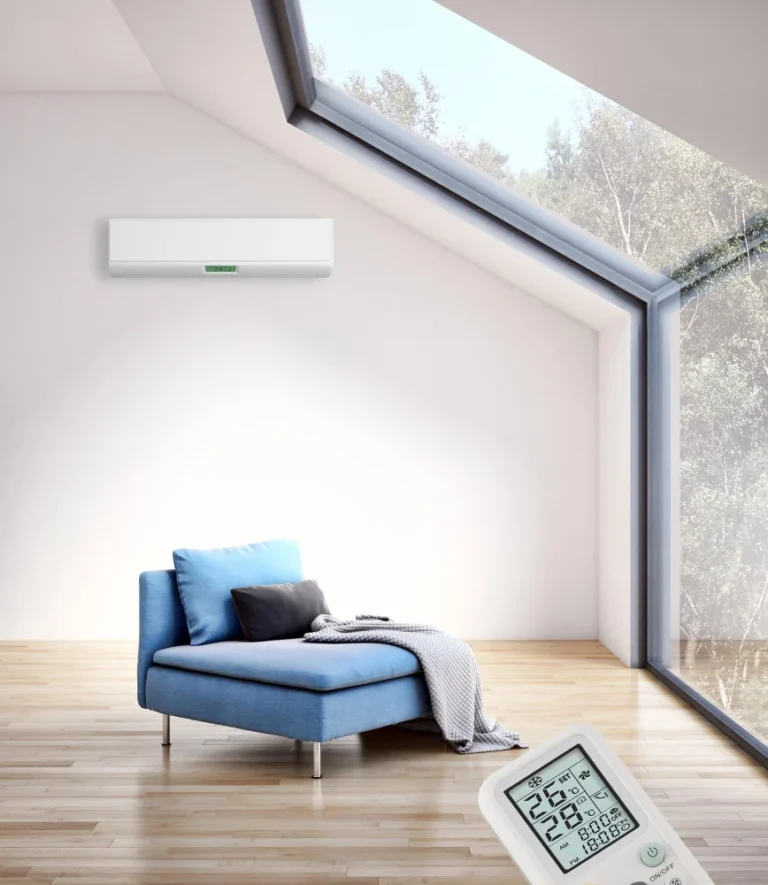
For a bedroom, the indoor unit should be positioned with sleeping comfort in mind. In a home office, airflow should work around the desk and other equipment. A living room may require a position that distributes conditioned air across a larger occupied area.
This is one reason an air con split system installer oxford homeowners choose should assess the actual room rather than simply installing the equipment in the easiest available location.
What Does the Outdoor Unit Need?
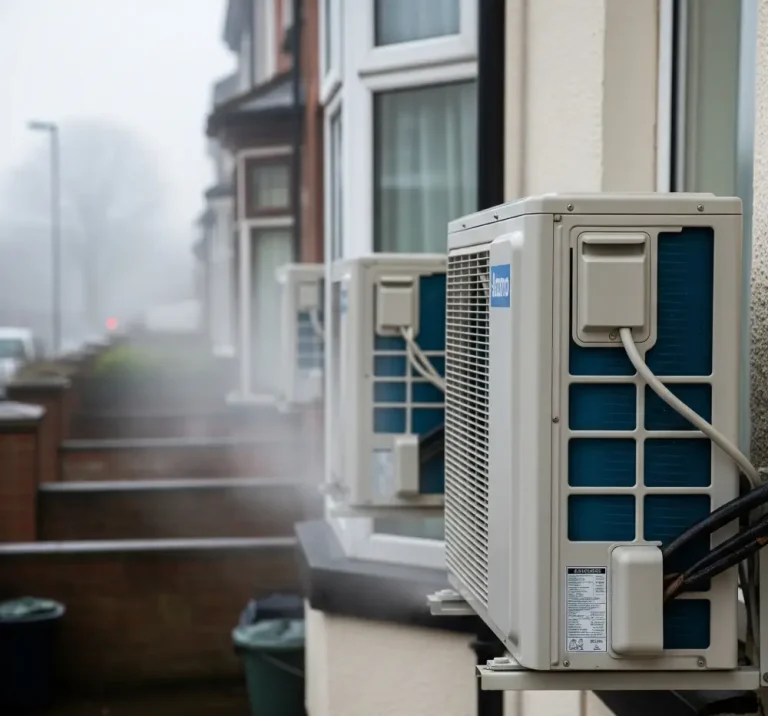
The outdoor unit needs a suitable position where it can exchange heat effectively and remain accessible for maintenance.
The installer may need to consider:
- Air circulation around the unit
- Distance from neighbouring properties
- Noise
- Structural support
- Weather exposure
- Safe access
- Pipework length
- Visual impact
The outdoor unit should not be boxed into a restricted space where airflow is limited. Poor positioning can affect performance and may create avoidable maintenance difficulties.
Where the property has limited external space, an installer can assess the available options and explain what is practical.
How Much Does a Split System Cost?
The split system air conditioning cost oxford homeowners encounter can vary considerably because installation requirements are different from one property to another.
The equipment itself is only part of the overall cost. Labour, pipework, drainage, electrical work, access and the location of both units can influence the final figure.
A straightforward installation with the indoor and outdoor units relatively close together may involve less work than a property requiring a longer route or difficult access.
Other factors that may affect the quotation include:
| Cost factor | Why it matters |
| System capacity | Determines the equipment required |
| Pipework length | Longer routes can increase installation work |
| Indoor unit position | May affect complexity and access |
| Outdoor unit location | Can require additional support or access |
| Electrical requirements | Existing supplies may need assessment |
| Drainage | Condensate needs to be managed correctly |
| Access | Difficult areas can increase labour requirements |
This is why online price estimates should be treated as general guidance rather than a substitute for a property-specific quotation.
Is a More Powerful Unit Always Better?
No. Oversizing a system does not automatically mean better comfort.
An air conditioner that is too large for the room may reach the target temperature quickly but may not provide the intended level of steady control. Conversely, a system that is too small may need to work harder for longer during periods of high heat gain.
The goal is to select a suitable capacity based on the room’s characteristics.
An installer should consider the room size alongside windows, insulation, orientation, occupancy and heat-producing equipment.
Can a Split System Provide Heating Too?
Many modern split systems are designed to provide both cooling and heating.
This can be useful in rooms that are difficult to keep comfortable throughout the year. A garden room, for example, may need heating during cooler mornings and cooling during summer afternoons.
Using the same system for both functions can provide greater flexibility without requiring separate heating and cooling equipment in the room.
However, the system should be assessed as part of the wider property rather than automatically treated as a replacement for the home’s main heating system.
Is a Single-Room System Suitable for a Bedroom?
Yes. Bedrooms are often strong candidates for dedicated split systems because they may become warmer than other parts of the property and are frequently occupied at night.
Quiet operation is particularly important. The position of the indoor unit also matters because airflow should be comfortable while occupants are sleeping.
Timer functions and temperature controls can provide additional flexibility, allowing the system to operate around the household’s normal routine.
A well-planned bedroom installation should focus on stable comfort rather than simply achieving the lowest possible temperature.
What About a Home Office?
Home offices can also benefit from dedicated temperature control.
Computers, monitors and other electrical equipment create heat, while working at a desk for several hours makes temperature changes more noticeable.
A single-room split system allows the office to be cooled or heated when it is being used without necessarily conditioning other areas of the home.
This can be particularly useful where the office is located in a converted room, extension or garden building.
[CTA 2]
If your office or bedroom is regularly uncomfortable, speak to TRS Cooling about the room’s heat gain and usage pattern. The right system should be based on the conditions inside the space, not simply its floor area.
What Should You Ask an Installer Before Booking?
Before choosing an installer, ask how the proposed system has been selected and why the indoor and outdoor units have been positioned where they are.
Useful questions include:
- How was the required capacity calculated?
- Why is this indoor unit position recommended?
- Where will the outdoor unit be located?
- How will condensate drainage be handled?
- What pipework route will be used?
- How easy will the system be to maintain?
- Does the system provide heating as well as cooling?
- What is included in the quoted installation price?
A clear answer to these questions can help you understand whether the proposal has been properly planned.
TRS Cooling can explain the reasoning behind a proposed split system, from capacity and positioning to installation requirements. Contact the team to discuss your room and request a tailored quotation.
A Typical Oxford Home Example
Consider an Oxford homeowner with a south-facing upstairs bedroom that becomes noticeably warmer than the rest of the property during summer.
The homeowner does not want to cool the entire house because the other rooms remain comfortable. A single split system could provide targeted temperature control in the bedroom without extending the installation across multiple rooms.
The system can be selected around the bedroom’s size, glazing, insulation and expected heat gain. The indoor unit can then be positioned to provide effective circulation while avoiding uncomfortable direct airflow towards the bed.
This is a good example of why a single-room approach can be appropriate when the comfort problem is localised.
Is a Split System Better Than a Multi-Room System?
Neither option is automatically better. They solve different problems.
A split system is often suitable when one room requires dedicated temperature control. A multi-room system may be more appropriate when several spaces need independent or coordinated heating and cooling.
The right choice depends on how the property is used today and whether that is likely to change.
If only one room has a persistent comfort issue, a single-room system can be a straightforward solution. If several rooms are regularly uncomfortable, a wider assessment may identify a more suitable configuration.