

What Drives Split System and Wall Mounted Air Con Pricing?
If you’re planning to install air conditioning, one of the first questions you’ll probably ask is how much it will cost. While it’s natural to compare prices, the final figure depends on far more than the unit itself. The type of system, the complexity of the installation and the layout of your property all influence the overall investment.
Split systems and wall mounted units are among the most popular choices for UK homes because they combine efficient performance with flexible installation options. Understanding what affects pricing will help you compare quotations more confidently and choose a system that offers long-term value.
Thinking about installing air conditioning? Contact TRS Cooling to arrange a professional survey and receive expert guidance on the best system for your home.
Why Do Similar Air Conditioning Systems Have Different Prices?
At first glance, two systems may appear very similar, yet their installation costs can differ significantly.
This is because pricing depends on factors such as:
- Cooling capacity
- Number of indoor units
- Installation complexity
- Pipework length
- Electrical requirements
- Manufacturer specification
- Property layout
A professional survey helps determine which system is best suited to your home and provides a quotation based on the actual work involved.
How Does System Size Affect the Cost?
Choosing the correct capacity is essential. A system that is too small may struggle to maintain comfortable temperatures, while one that is too large can operate inefficiently.
During a survey, installers assess:
| Assessment | Why It Matters |
| Room size | Determines cooling demand |
| Ceiling height | Affects air volume |
| Window orientation | Influences solar heat gain |
| Insulation | Impacts energy efficiency |
| Room usage | Helps determine system size |
If you’re comparing split system air conditioning cost oxford, remember that correctly sizing the equipment is just as important as comparing prices.
Does the Number of Indoor Units Make a Difference?
Yes. A single-room installation generally requires less equipment and labour than a multi-room system.
Additional indoor units may increase:
- Equipment costs
- Pipework requirements
- Installation time
- Electrical work
- Commissioning requirements
However, they also provide greater flexibility by allowing different areas of the home to be heated or cooled independently.
Why Does Installation Complexity Affect Pricing?
Not every property presents the same installation conditions.
Factors that can influence labour include:
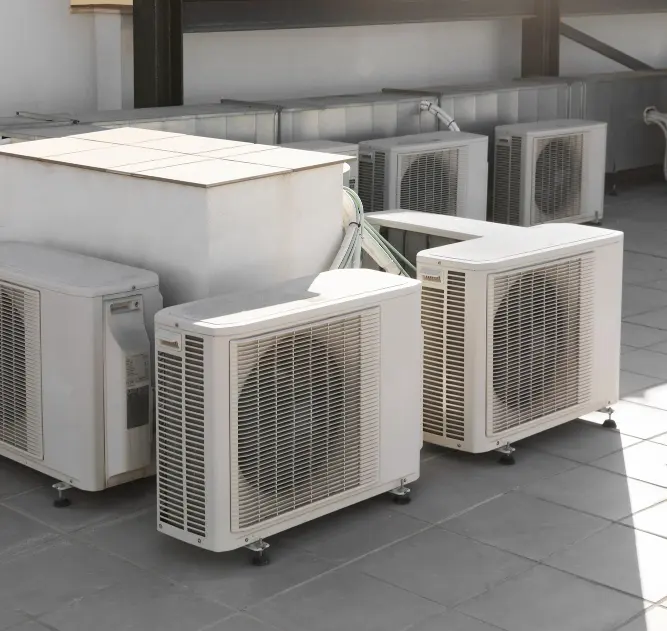
- Distance between indoor and outdoor units
- Wall construction
- Loft access
- Pipework routes
- Outdoor unit location
- Ease of servicing access
These practical considerations often have a greater impact on the quotation than homeowners initially expect.
Are Wall Mounted Units Always the Most Affordable?
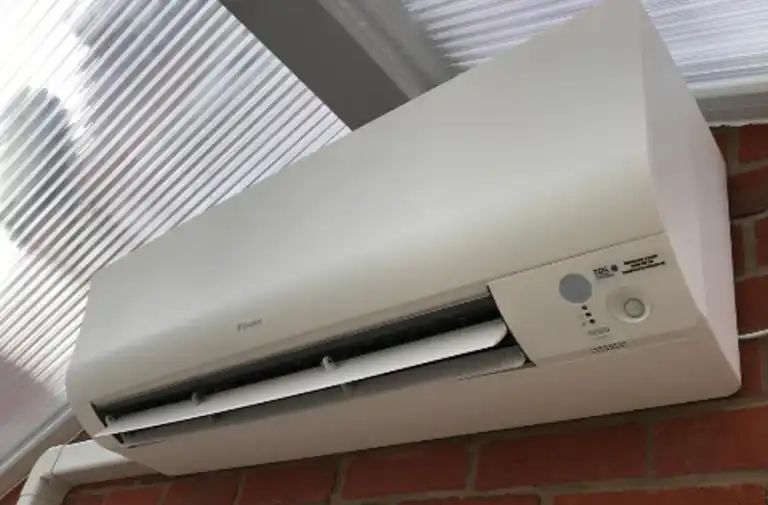
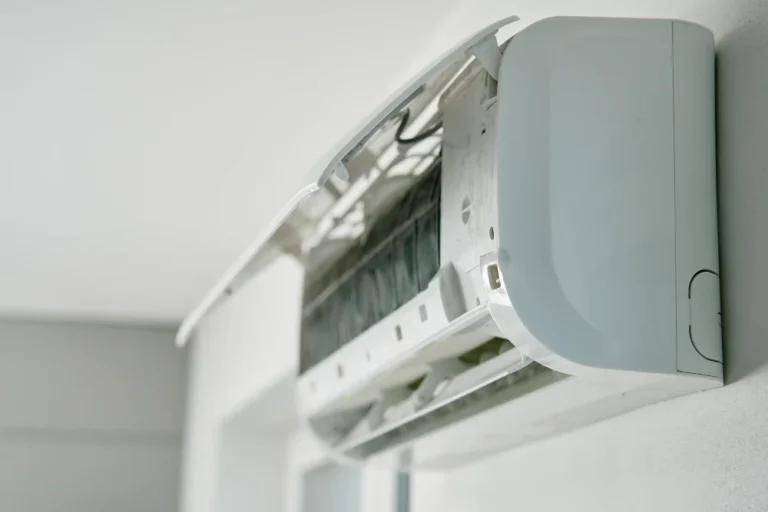
Wall mounted systems are often one of the most cost-effective solutions for domestic properties because they require relatively little structural work.
However, the wall mounted aircon price can still vary depending on:
- Unit capacity
- Energy efficiency rating
- Installation requirements
- Brand and specification
- Property layout
A detailed survey helps determine whether a wall mounted solution is the most suitable choice for your home.
Speak to the experienced team at TRS Cooling for advice on selecting the right system and understanding the costs involved.
Can Better Equipment Save Money Over Time?
Higher-specification systems often include improved energy efficiency, quieter operation and advanced control features.
Although the initial investment may be higher, these systems can provide:
- Lower running costs
- Improved comfort
- Better temperature control
- Enhanced reliability
- Longer service life
Looking beyond the purchase price can help you make a more informed decision.
A Typical Oxford Installation Example
A homeowner in Oxford wants to install air conditioning in a lounge and the main bedroom. Initially, they compare systems based purely on equipment prices online. However, after arranging a professional survey, they discover that the position of the outdoor unit and the route for the connecting pipework will influence the overall installation cost.
The survey also identifies that the bedroom, which receives direct afternoon sunlight, requires a slightly higher-capacity unit than first expected. Although this changes the quotation, it ensures the system is correctly matched to the property’s cooling requirements.
With a detailed proposal in place, the homeowner can make an informed decision, knowing exactly what is included and why.
How Can You Compare Quotations Properly?
When reviewing different quotations, it’s important to compare more than the final price.
Look for information about:
- Equipment specification
- Installation labour
- Pipework and electrical work
- Warranty cover
- Commissioning and testing
- Aftercare and servicing recommendations
Comparing quotations on a like-for-like basis helps you understand the value being offered rather than focusing only on the lowest figure.
Is the Cheapest Option Always the Best Choice?
Not necessarily. A lower quotation may exclude elements that are essential for a high-quality installation.
For example, a comprehensive quotation may include:
- A detailed home survey
- Professional system design
- High-quality installation materials
- Full system testing
- Clear operating guidance
- Manufacturer warranty support
When looking at wall mounted aircon price, consider how the installation is planned and what level of service is included, as this often has a greater impact on long-term satisfaction than the purchase price alone.
If you’re comparing split system air conditioning cost oxford, speak to the team at TRS Cooling. We’ll provide honest advice, carry out a professional survey and prepare a clear quotation based on your home’s individual requirements.
Why Is Professional Advice Worthwhile?
Choosing the right air conditioning system isn’t simply about selecting a model from a brochure. Every property has different requirements, and professional guidance helps ensure the installation is suited to your home both now and in the future.
An experienced installer will consider:
- The layout of your property
- How each room is used
- Future maintenance access
- Energy efficiency
- Practical installation methods
- Long-term reliability
Taking these factors into account helps create a system that performs efficiently and provides dependable comfort throughout the year.