

Air Con Controls, Timers and Modes: What Homeowners Should Be Shown
Modern air conditioning systems can do considerably more than simply blow cold air around a room. Many units can cool, heat, reduce moisture, adjust airflow automatically and operate according to a schedule. The challenge for homeowners is knowing what all those buttons and symbols actually mean.
A good handover should make the controls straightforward. Whether you are using air con Oxford homeowners have installed for summer cooling or relying on a reversible system throughout the year, you should be shown the settings that are relevant to your home.
Understanding these functions can also help you avoid running the system unnecessarily or using the wrong mode for the conditions.
If you are considering a system for year-round comfort, contact TRS Cooling for practical advice on choosing and operating air conditioning for your property.
What Should an Installer Show You About the Main Controls?
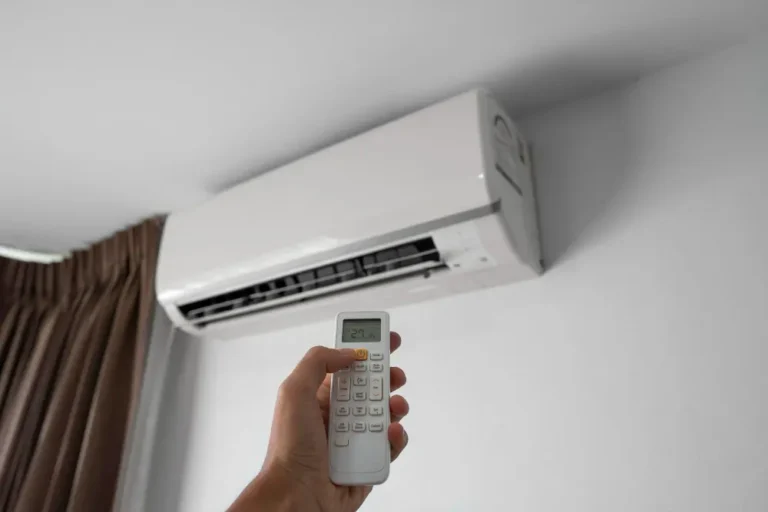
The first step should be a simple demonstration of the controller. You should know how to switch the system on and off, select the operating mode and adjust the temperature.
The main controls usually include:
- Power
- Mode selection
- Temperature adjustment
- Fan speed
- Airflow direction
- Timer settings
- Sleep or quiet functions
- Automatic operation
Not every air conditioner includes all these features, and the names or symbols can differ between manufacturers. Your installer should therefore explain the actual controller supplied with your system rather than relying on generic instructions.
Which Air Conditioning Modes Do You Actually Need?
Most homeowners will use only a handful of the available settings. Understanding those basic modes is more useful than trying to memorise every feature.
| Mode | Main Function | When It May Be Useful |
| Cool | Lowers indoor temperature | Warm summer days |
| Heat | Raises indoor temperature | Colder weather on compatible systems |
| Dry | Helps reduce moisture | Damp or humid conditions |
| Fan | Circulates air | When active heating or cooling is not required |
| Auto | Adjusts operation based on settings | When you want automated control |
| Sleep | Changes operation for overnight comfort | Bedrooms and night-time use |
The exact operation varies between manufacturers, so the instruction manual remains important. The installer should explain what each available mode does on your particular unit.
How Does the Cooling Mode Work?
Cooling mode removes heat from the indoor air and transfers it outside. The system then circulates cooler air back into the room.
When using air con Oxford homes during warm weather, it can be tempting to set the temperature extremely low. However, a very low target is not necessarily the best approach.
Instead, select a comfortable target and allow the system time to bring the room towards it. Closing windows and doors while the system is running can also help prevent conditioned air from being lost.
The installer should explain how the temperature setting works and how the system behaves once the target has been reached.
What Is the Heating Mode Used For?
Many modern air conditioning systems are heat pumps that can reverse their operation to provide heating. This means the same equipment can potentially provide useful comfort in both summer and winter.
An aircon which heat and cool Oxford homeowners choose can therefore serve more than one purpose, although suitability depends on the specific system, property and heating requirements.
When using heating mode, the installer should demonstrate how to select the mode, adjust the target temperature and understand any normal delays before warm air begins to circulate.
When Should You Use Dry Mode?
Dry mode is designed to help reduce moisture in indoor air. It can be useful during humid conditions, although it should not automatically be treated as a replacement for a dedicated dehumidifier.
The system may alter its cooling and fan operation while this mode is active. Because the exact behaviour differs between models, homeowners should ask their installer what Dry mode does on their particular unit.
It is also worth remembering that persistent damp or condensation problems may have an underlying cause that air conditioning alone will not resolve.
What Does Fan Mode Do?
Fan mode generally circulates air without actively heating or cooling it.
This can be useful when the room temperature is already comfortable but you want some air movement. It can also help distribute air within a room depending on the position and design of the indoor unit.
However, fan mode should not be confused with cooling mode. If you want the system to actively reduce the room temperature, the appropriate cooling setting will normally be required.
How Can Timers Make Air Conditioning More Convenient?
Timers can be particularly useful in bedrooms, home offices and rooms that are occupied at predictable times.
Depending on the system, you may be able to programme the unit to:
- Switch on before you enter a room
- Switch off after a set period
- Operate during particular hours
- Reduce overnight operation
- Prepare a room before waking or returning home
Timer functions vary considerably. Some controllers use simple countdown timers, while others allow more detailed scheduling through an app.
A good installer should demonstrate the function rather than leaving you to discover it later.
If you already have a system but are unsure how to use its timer, heating or cooling settings, speak to TRS Cooling for straightforward guidance.
What Are Sleep and Quiet Settings?
Sleep and quiet functions are designed to make overnight or low-noise operation more comfortable.
Sleep mode may gradually adjust the target temperature or other operating characteristics. Quiet mode may reduce fan speed or alter how the outdoor unit operates.
These features are not identical across manufacturers, so the installer should explain the specific behaviour of your system.
If the unit is installed in or near a bedroom, understanding these settings can be especially helpful.
How Should You Adjust Fan Speed and Airflow?
Fan speed controls how strongly air is circulated from the indoor unit. Lower speeds can be useful when maintaining a comfortable room, while higher speeds may help distribute conditioned air more quickly.
Airflow direction can also be adjusted on many systems. Instead of directing a strong stream directly towards a person, you may find it more comfortable to angle the airflow across the room.
Your installer should demonstrate how to adjust both settings and explain any automatic airflow features available.
What Should You Know About Automatic Mode?
Automatic mode can sound appealing because the system manages more of its operation itself. However, it is still important to understand what the system is actually controlling.
Depending on the manufacturer, Auto may adjust fan speed, select an operating mode or manage output according to the selected temperature.
The installer should explain how Auto works on your system so you know what to expect.
For homeowners choosing an aircon which heat and cool Oxford property, this is particularly useful because automatic operation can behave differently depending on whether the system is being used for heating or cooling.
What Should You Do If a Setting Seems Wrong?
If the system is not behaving as expected, start by checking the selected mode, target temperature, fan setting and timer.
It is easy to accidentally activate a timer or select Fan mode when you intended to cool the room.
If the issue continues, check the manufacturer’s guidance or contact your installer. Avoid removing covers or attempting electrical or refrigerant-related repairs yourself.
A professional support service can determine whether the issue is a simple control setting or something that requires technical attention.
Why Is a Proper Controls Demonstration Important?
Air conditioning is only useful if homeowners know how to operate it. A thorough handover can prevent confusion, improve comfort and help users make sensible use of the system’s available features.
When comparing air con Oxford installers, consider whether the service includes a proper demonstration and clear aftercare information. The installation itself is important, but understanding the equipment afterwards is part of a complete customer experience.
If you are planning an air conditioning installation in Oxford, TRS Cooling can explain the available controls and help you understand how the system can be used throughout the year.